


In this article I will talk about the best competitors to ApeX Protocol for decentralized exchange (DEX) trading. I will discuss their trading functionalities and features including fee structures, slippage, liquidity, execution speeds, safety and security, market making, and infrastructure.
This information will help traders better understand the differentiating factors of Hyperliquid, Aster, EdgeX, dYdX, Paradex, Lighter, GRVT, LogX, Variational, and Pacifica.
Key Points & Best ApeX Protocol Competitors for DEX Trading
| Competitor | Explanation |
|---|---|
| Hyperliquid | High-performance decentralized exchange offering perpetual futures with deep liquidity and fast execution. |
| Aster | Decentralized perpetuals platform providing leveraged trading, multiple assets, and streamlined user experience. |
| EdgeX | Onchain derivatives exchange focused on fast trading, efficient execution, and competitive costs. |
| dYdX | Established decentralized derivatives platform supporting perpetual trading with advanced markets and professional tools. |
| Paradex | High-speed perpetuals DEX offering self-custody, leverage, and professional-grade trading infrastructure. |
| Lighter | Decentralized trading platform emphasizing fast execution, transparent markets, and low-cost perpetual trading. |
| GRVT | Hybrid decentralized exchange combining institutional trading features with self-custody and blockchain settlement. |
| LogX | Multichain derivatives platform enabling perpetual trading across networks through unified liquidity infrastructure. |
| Variational | Decentralized derivatives protocol offering customizable perpetual contracts and sophisticated trading strategies. |
| Pacifica | Onchain perpetuals exchange focused on efficient execution, leverage, and user-friendly decentralized trading. |
10 Best ApeX Protocol Competitors for DEX Trading
1. Hyperliquid
Hyperliquid is a rapidly growing DEX focused on futures and on-chain trading. It provides its users with the ability to trade on multiple markets, and offers a variety of tools including a native order book, and advanced order types. Users are also given the ability to trade natively on the Hyperliquid blockchain, and also access multiple yields through the Hyperliquid ecosystem.
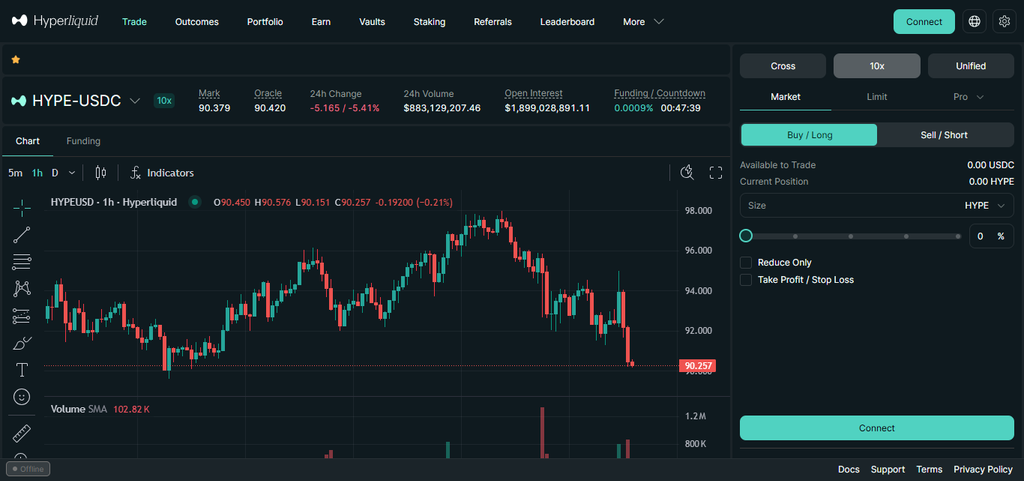
Hyperliquid is one of the stronger competitors to the ApeX protocol. When considering Hyperliquid and ApeX, traders should evaluate the overall markets and trading rules provided by each.
Hyperliquid Features
- High-performance perpetual and spot trading markets.
- Fast on-chain order matching and execution.
- Advanced trading tools for active traders.
- Native blockchain ecosystem supporting decentralized applications.
2. Aster
Similar to ApeX, Aster is a DEX focusing on providing users with derivatives. However, Aster takes a different approach, allowing users to trade in a more privately automated fashion. As with other DEXs focused on derivatives, Aster provides its users with a multitude of trading tools, and flexibility.
Aster also aims to provide its users with a DEX experience while eliminating the need for a third party custodian, thus providing its users with full control of their private keys. Aster is another strong competitor to ApeX. Users should compare the two to evaluate fees, available assets, trading rules, and support.
Aster Features
- Privacy-focused perpetual and leveraged trading infrastructure.
- Multi-chain access for broader asset availability.
- Encrypted trading features for greater transaction privacy.
- Advanced trading interface supporting multiple strategies.
3. EdgeX
EdgeX is an innovative platform that allows users to trade digitized financial instruments in the form of derivatives. EdgeX is built to allow users to trade at lightning speed and to offer professional on-chain trading services. EdgeX has a fast-changing order book and provides services to trade perpetual contracts. EdgeX allows users to trade with each other in a theoretically trustless environment.
Users can evaluate EdgeX by evaluating the markets that EdgeX allows its users to trade, the costs to use EdgeX, the margin trading services, and the blockchains on which EdgeX is built. EdgeX is a great alternative to ApeX for users who want to trade derivatives. To gain a better understanding of EdgeX and ApeX, users can evaluate order execution, market depth, costs, and the services offered by each platform.
EdgeX Features
- Order-book based decentralized derivatives trading.
- Fast matching designed for efficient execution.
- Perpetual markets with professional trading functionality.
- ZK-based infrastructure supporting verifiable transactions.
4. dYdX
dYdX provides clients the ability to trade perpetual contracts. Like ApeX, dYdX has a stake in the governance of various protocols and/or services. Unlike ApeX, dYdX has launched its own blockchain to provide trading services. The tradeable features of dYdX are dependent on the configuration of the services offered on the dYdX blockchain. Generally, dYdX offers perpetual contracts for trading, as well as, advanced trading services. Like ApeX, dYdX charges users a fee to use its services. dYdX offers a custodial service for client funds.
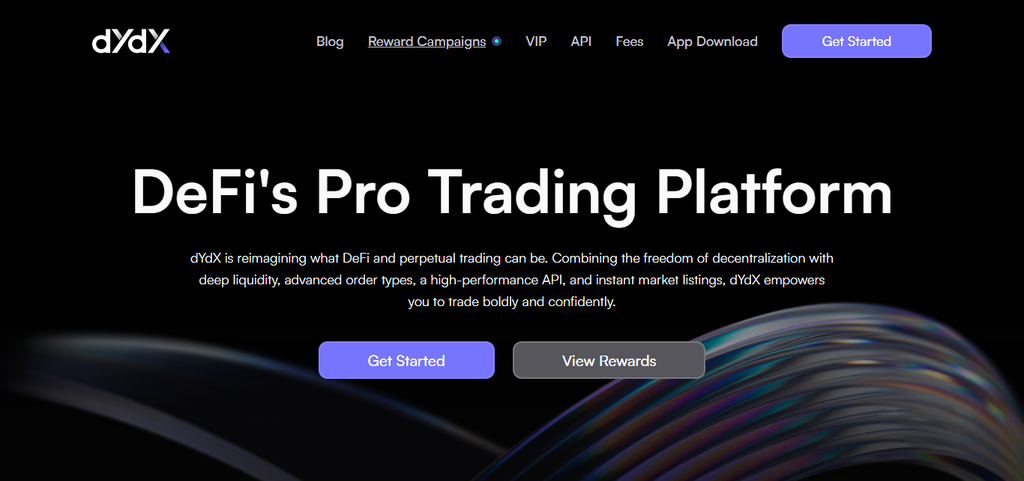
Clients of dYdX have the ability to stake funds to validate the dYdX network. dYdX also offers services to improve the security of client funds. dYdX is one of the more established derivatives services and allows clients to trade perpetual contracts. When evaluating ApeX and dYdX, users should consider trade features, costs, the services offered, and the markets supported.
dYdX Features
- Decentralized perpetual futures and derivatives markets.
- Dedicated blockchain infrastructure for trading operations.
- Advanced order types and professional trading tools.
- Community governance through its decentralized ecosystem.
5. Paradex
A decentralized exchange (DEX) for synthetic derivatives, Paradex, utilizes StarkNet to focus on trade execution, trade privacy, and Cryptocurrency self-custody. Paradex provides infrastructure to support institutional and professional investors. Its user base should include sophisticated retail investors. The blockchain infrastructure and technology employed by Paradex allow on-chain, zero-knowledge proofs.
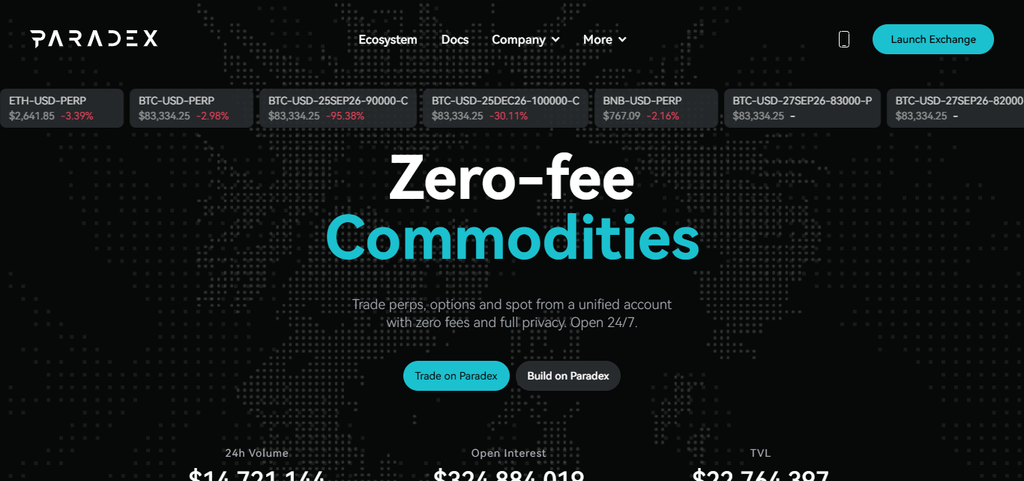
Compared to other decentralized exchanges (DEX), Paradex provides privacy to traders settlement (of trades) on a blockchain. Paradex has not disclosed other competitive parameters (liquidity, funding, fees, order types, order book, funding markets) against which its services can be assessed against those provided by ApeX. Given the availability of on-chain infrastructure, Paradex, like ApeX, has the potential to facilitate DEX trading.
Paradex Features
- Starknet-based decentralized derivatives infrastructure.
- Self-custodial perpetual trading functionality.
- Privacy-focused technology using zero-knowledge architecture.
- Professional interface designed for advanced traders.
6. Lighter
Lighter focuses on zero-knowledge blockchain technology for trading perpetual contracts. They utilize blockchain for settlement to provide on-chain proof of contract execution and transactions.
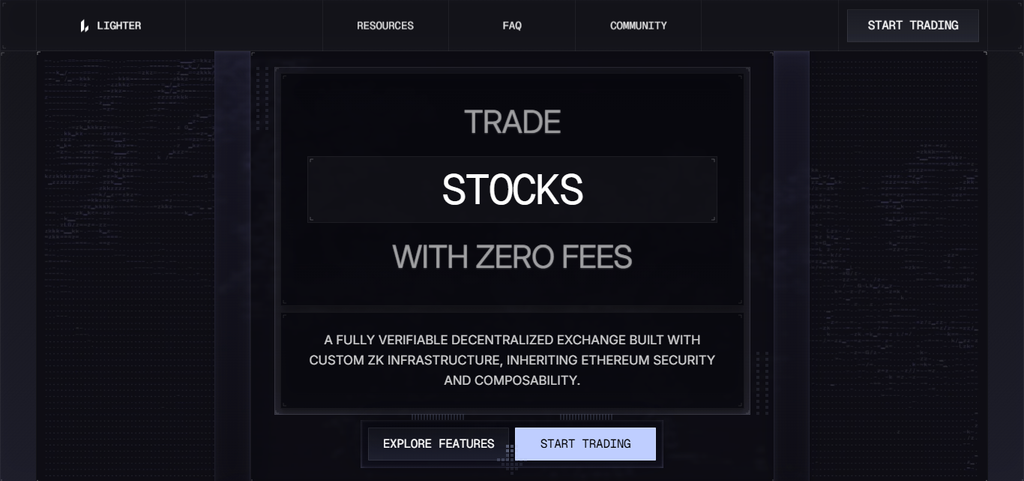
Lighter is an order book based DEX with a performance focus. Similar to Paradex, they provide a technology-focused alternate to ApeX for DEX trading. Speed of execution and the safety of client funds through Liquidation are some of the key differences traders must evaluate across the three.
Lighter Features
- Zero-knowledge infrastructure for decentralized trading.
- Perpetual markets with fast order execution.
- Low-cost trading designed for active users.
- Order-book architecture supporting leveraged positions.
7. GRVT
GRVT is a decentralized exchange (DEX) that enables institutional and retail investors to trade in a hybrid, over-the-counter (OTC), and/or on-limits fashion. GRVT’s blockchain technology enables the settlement of trades and allows for self-custody of digital assets. GRVT aims to offer its clients a trading experience similar to that of traditional centralized finance (CeFi) exchanges.
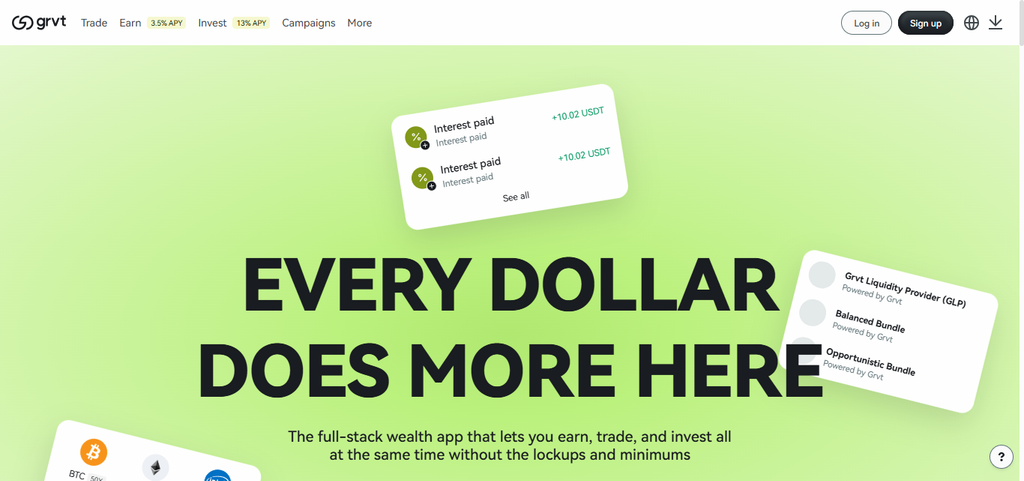
GRVT is located in the top-tier of the best projects within the DeFi ecosystem, alongside ApeX. GRVT provides a clear illustration of the potential convergence of decentralized custody and institutional trading. ApeX and GRVT’s products and services differ; thus, a direct comparison of the two is not ideal. Instead, investors should ascertain the individual trading needs and compare the products and services offered by each exchange.
GRVT Features
- Hybrid architecture combining centralized-style performance with self-custody.
- Institutional-focused derivatives and trading infrastructure.
- Fast execution with professional trading functionality.
- Blockchain-based settlement and security features.
8. LogX
LogX is a DEX offering users the ability to trade perpetual swaps and other derivative products. LogX seeks to provide users with a more consolidated and unified trading experience across multiple blockchains. Leveraged products offer attractive returns and are a staple of the financial markets. However, traditional centralized exchanges control the lion’s share of the financial products.
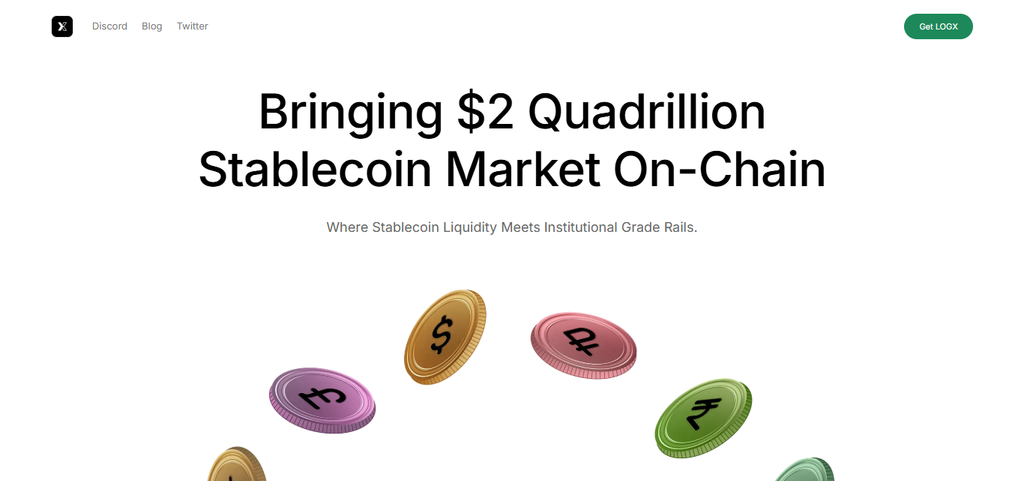
LogX is one of the more established competitors of ApeX; thus, investors are well served to compare the two. As with any rapidly developing project, the products and services offered may undergo change. Investors should consider the trading fees, collateral and margin requirements, liquidity, execution, and other products offered by the exchange.
LogX Features
- Multichain perpetual and derivatives trading.
- Unified access across supported blockchain networks.
- Liquidity aggregation for streamlined trading.
- Leverage-based markets with an accessible interface.
9. Variational
Variational is a flexible, user-centered, and feature-rich trading and derivatives platform. Designed with institutional clients and active traders in mind, Variational offers a wide array of structural and behavioral customizations that allow financial innovations catering to most of the advanced trading strategies.
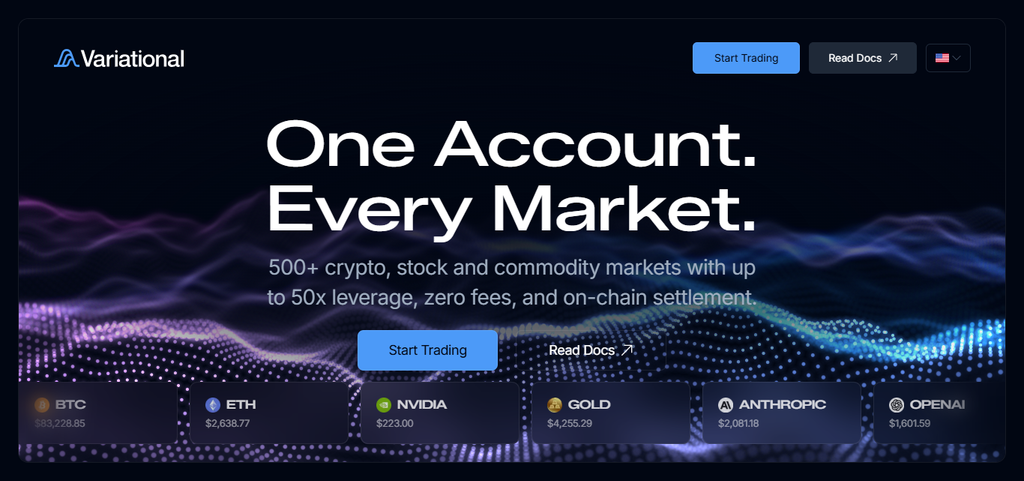
Within the Best ApeX Protocol Competitors for DEX Trading, Variational stands out due to its focus on derivatives and fiscal markets. Variational, however, is more of a competitor to ApeX and, therefore, an evaluation of the two should include features, pricing, liquidity, orders execution, and risk/reward frameworks, just to name a few.
Variational Features
- Customizable perpetual and derivatives trading infrastructure.
- Flexible products designed for sophisticated trading strategies.
- Professional-grade execution and liquidity mechanisms.
- Risk-management tools supporting leveraged positions.
10. Pacifica
Pacifica provides leveraged perpetual swaps in a decentralized environment. From a design standpoint, the product focuses on the trade execution, collateral management, and perpetual swap contracts. The user interface is targeted to simplify the trading of decentralized derivatives. Compared to other DEX based perpetual swaps products, Pacifica is still in its early stages.

We view Pacifica as one of the better products compared to ApeX. Users should evaluate available features, supported assets and currency custody, control and risk management features.
Pacifica Features
- On-chain perpetual futures trading infrastructure.
- Fast execution for leveraged trading strategies.
- Collateral and margin management functionality.
- Streamlined interface designed for decentralized derivatives traders.
Conclusion
In conclusion Choosing from the Best ApeX Protocol Competitors for DEX Trading largely depends on what one looks for in a trading platform. When it comes to providing decentralized derivatives, Hyperliquid, Aster, EdgeX, dYdX, Paradex, Lighter, GRVT, LogX, Variational and Pacifica are some of the key players in the space.
Investors are encouraged to do their own research based on their trading strategy and risk appetite to determine which platform best meets their needs based on fees, liquidity, leverage, order execution, markets supported, safety and soundness, privacy and trade custody.
FAQ
Popular alternatives include Hyperliquid, Aster, EdgeX, dYdX, Paradex, Lighter, GRVT, LogX, Variational, and Pacifica.
Traders compare alternatives for different fees, markets, liquidity, execution speeds, and trading features.
Yes, Hyperliquid provides on-chain perpetual markets with an order-book-based trading experience.
Aster, Paradex, and Lighter incorporate privacy-oriented or zero-knowledge-based blockchain technologies.

