


In this article, I will go over the Best Osmosis Competitors for Cosmos Ecosystem and the best decentralized exchanges and DeFi platforms to look at. We will analyze Astroport, THORChain, Crescent DEX, OraiDEX
White Whale, Astrovault, Shade Protocol, Maya Protocol, Pumex and Kujira based on their features, blockchain support, trading advantages, liquidity options and how well they serve the needs of various cryptocurrency users.
Key Points & Best Osmosis Competitors for Cosmos Ecosystem
| Competitor | Explanation |
|---|---|
| Astroport | Provides automated market-making, diverse liquidity pools, and token swaps across supported Cosmos networks. |
| THORChain (RUNE) | Enables native cross-chain swaps between cryptocurrencies without requiring traditional wrapped assets or custodians. |
| Crescent DEX | Offers Cosmos-based token trading, liquidity incentives, and capital-efficient decentralized finance tools. |
| OraiDEX | Combines decentralized token swaps with cross-chain functionality across supported blockchain ecosystems. |
| White Whale | Supports cross-chain liquidity, arbitrage opportunities, and automated strategies throughout the Cosmos ecosystem. |
| Astrovault | Provides decentralized trading and liquidity tools designed for supported blockchain ecosystems and assets. |
| Shade Protocol | Focuses on privacy-oriented DeFi products, including decentralized trading and privacy-focused financial applications. |
| Maya Protocol | Facilitates native cross-chain swaps between supported assets, including Bitcoin and other cryptocurrencies. |
| Pumex | Offers decentralized exchange services and token trading opportunities within supported blockchain ecosystems. |
| Kujira (FIN / BOW) | Combines order-book trading through FIN with BOW liquidity tools for efficient decentralized markets. |
10 Best Osmosis Competitors for Cosmos Ecosystem
1. Astroport
Astroport is a decentralized exchange (DEX) protocol that offers automated market-making and token-swapping functionality across supported blockchain networks. Its intelligent contracts support a variety of pool designs, from stable-swap pools to concentrated-liquidity models which allow traders to access appropriate markets for different assets.
Blockchain Integration: Astroport has deployed contracts on networks including Terra, Injective, Neutron, and Osmosis. Deployment availability varies. Trading Benefits: Users can compare token pairs, liquidity depth, possible slippage and applicable fees before swapping.
Security & Transparency: Trading is reliant on smart contracts; therefore, users should research audits, contract addresses & risks specific to the deployment. Users: Astroport is for Cosmos users looking for flexible liquidity options. Selection Criteria Criteria Check for active pools, supported tokens, liquidity and transaction cost.
Astroport Feature
| Feature | Explanation |
|---|---|
| Automated Market Making | Enables users to swap supported tokens through automated liquidity pools. |
| Multiple Pool Types | Offers pool designs suited to different token pairs and trading needs. |
| Liquidity Provision | Allows users to supply eligible assets to pools and potentially earn fees. |
| Cosmos Ecosystem Access | Supports deployments across selected networks, depending on current integrations and liquidity. |
2. THORChain (RUNE)
THORChain is a decentralized liquidity protocol to swap supported native cryptocurrencies across different blockchains without relying on old-fashioned wrapped assets. Its native token, RUNE, is an important part of liquidity, settlement, incentives and network security. Supported Blockchains: The supported networks include Bitcoin, Ethereum, Cosmos, BNB Smart Chain and many more blockchains with asset availability subject to current integrations.
Trading Benefits: Users can directly trade eligible assets, and streaming swaps can help reduce price impact for large trades. Security & Transparency: Cross-chain vault operations use distributed validator nodes and threshold-signature technology for security, but are subject to protocol and market risks. User Suitability: THORChain is suitable for users who have native cross-chain swap needs. Selection Criteria: Supported assets, liquidity, total fees, slippage and transaction requirements to be compared
THORChain (RUNE) Feature
| Feature | Explanation |
|---|---|
| Native Cross-Chain Swaps | Exchanges supported native assets across blockchains without requiring wrapped versions. |
| Decentralized Liquidity Pools | Uses liquidity pools to facilitate swaps between supported digital assets. |
| RUNE Utility | RUNE supports settlement, liquidity, network security, and protocol incentives. |
| Distributed Vault Security | Uses validator coordination and threshold signatures to secure cross-chain asset transfers. |
3. Crescent DEX
Crescent DEX is a decentralized trading platform built for the Cosmos ecosystem with a focus on capital efficiency and integrated DeFi features. Its broader network architecture has included decentralized exchange services and derivatives-related functionality. Blockchain Support: Crescent is built on an infrastructure from the Cosmos ecosystem so it is recommended to double check the network connectivity status and available assets before trading.

Trading Benefits: The planned benefits include access to supported token marketplaces, liquidity opportunities and tools to help users manage their DeFi portfolios. Security & Transparency: Users should read smart-contract documentation, network security arrangements, governance decisions, and any audit reports published. Who is this for? Those already in the Cosmos ecosystem may find Crescent attractive for its trading and financial tools. Selection Criteria: See if the exchange is actively supported, which markets are still available and how liquidity and fees compare to Osmosis.
Crescent DEX Feature
| Feature | Explanation |
|---|---|
| Hybrid Trading Design | Combines automated market-making and order-book approaches for trading. |
| Capital Efficiency | Designed to improve how liquidity is used across supported markets. |
| Trading Incentives | Uses incentive mechanisms intended to encourage liquidity and market participation. |
| Cosmos DeFi Integration | Focuses on connected decentralized finance services within the Cosmos ecosystem. |
4. OraiDEX
OraiDEX is a decentralized exchange that is part of the Oraichain ecosystem, which is focused on artificial intelligence and blockchain infrastructure. It offers token trading and aims to link users with supported digital resources and decentralized finance opportunities. Blockchain Support The main ecosystem link is Oraichain, with additional cross-chain access depending on the integrations and assets currently supported. Trading Benefits: Users can see what token pairs are available, swap supported assets, and evaluate liquidity opportunities without the need for a traditional centralized exchange account.
Security & Transparency: Users should check the official contract addresses, audit info, transaction info and bridge risk when cross-chain transfers are involved. User Suitability: OraiDEX is suitable for users who are interested in Oraichain and its associated DeFi ecosystem. Selection Criteria: Before choosing it over Osmosis, consider supported networks, token availability, liquidity depth, trading costs and current platform activity.
OraiDEX Feature
| Feature | Explanation |
|---|---|
| Decentralized Token Swaps | Allows users to trade supported digital assets through decentralized exchange functionality. |
| Oraichain Integration | Connects with the Oraichain ecosystem and its supported digital assets. |
| Cross-Chain Capabilities | Offers access to supported cross-chain features where integrations are available. |
| DeFi Accessibility | Gives users a decentralized option for accessing eligible trading markets. |
5. White Whale
White Whale is connected to Cosmos DeFi and has focused on liquidity strategies such as arbitrage opportunities and mechanisms to address imbalances across decentralized markets. Its relevance as an Osmosis alternative depends on what products and deployments are available now. Blockchain Support: Historically associated with the markets of the Cosmos ecosystem, its active network coverage and available services should be verified before use. Liquidity and arbitrage strategies can help market participants to explore pricing differences, but profits are never guarantyd and losses are possible.
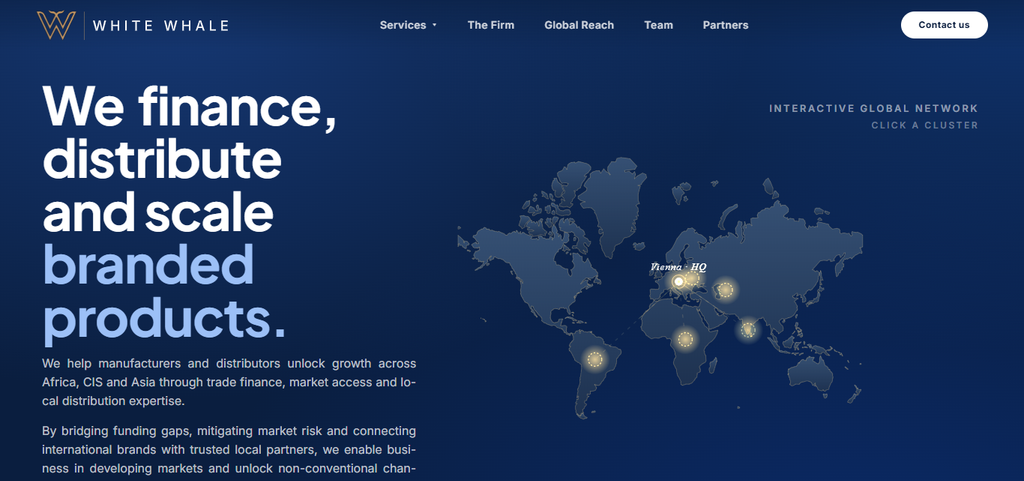
Security & Transparency: Users should review smart-contract audits, protocol documentation, liquidity arrangements, and any risks associated with automated strategies. User Suitability: May attract experienced DeFi users interested in liquidity management, beyond token swapping. Selection Criteria: Confirm the specific service is live, then assess fees, liquidity, risks of the strategy and supported assets via Osmosis.
White Whale Feature
| Feature | Explanation |
|---|---|
| Liquidity Management | Focuses on liquidity-related tools within supported decentralized finance markets. |
| Arbitrage Strategies | Has been associated with strategies that target price differences between markets. |
| Cosmos Ecosystem Focus | Connects with Cosmos-related DeFi opportunities, subject to current service availability. |
| Market Efficiency | Liquidity strategies may help address imbalances, but outcomes are never guaranteed. |
6. Astrovault
Astrovault is a Cosmos ecosystem decentralized finance project that offers trading and liquidity-related functionality in its supported infrastructure. Users should check which products, markets and networks are still working before using it as a drop in replacement for Osmosis. Blockchain Support: The scope of its ecosystem coverage depends on the relevant deployment and currently supported assets, so network compatibility should be checked in the official documentation.
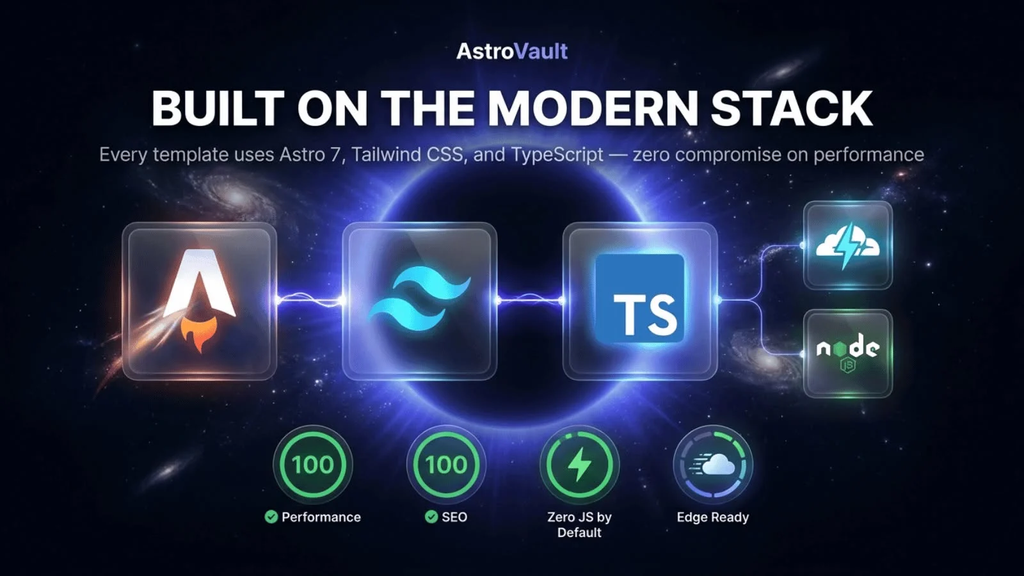
Trading Benefits: Depending on the markets available, users may access token swaps and liquidity opportunities for assets in which they are participating. Security & Transparency: Check published audits, contract permissions, token risks, liquidity conditions, and any documentation explaining asset management. User Suitability: Astrovault could be a good choice for users looking for alternatives in Cosmos DeFi. Selection Criteria: Make sure the trading pairs are active, liquidity is available, fees are reasonable, network access is available and withdrawal functionality is available before depositing funds.
Astrovault Feature
| Feature | Explanation |
|---|---|
| Decentralized Trading | Associated with decentralized exchange functionality for supported digital assets. |
| Liquidity Tools | Provides liquidity-related features where supported markets remain available. |
| Ecosystem Integration | Connects with selected blockchain infrastructure according to its deployments. |
| Token Market Access | Users should verify active trading pairs and available liquidity before trading. |
7. Shade Protocol
Shade Protocol is a privacy-centric decentralized finance project within the Secret Network ecosystem. Its broader DeFi vision also encompassed privacy-centered financial apps and token-based services, setting it apart from exchanges that lean more toward general-purpose token swapping.
Blockchain Support: Shade is highly integrated with Secret Network, with the supported assets and cross-chain bridges depending on the integrations available. Trading Benefits: Privacy-centric features and ecosystem-specific financial tools might be useful to users when the relevant application supports such features.

Security and Transparency: Privacy features do not eliminate smart-contract or financial risks. Users should review audits, contract documentation, and the limitations of transaction privacy. User Suitability: This shade will likely appeal to DeFi users who are interested in privacy-related functionality. Selection Criteria: Before opting for it over Osmosis, check the current product availability, supported tokens, network compatibility, liquidity, fees, and the precise privacy protections it offers.
Shade Protocol Feature
| Feature | Explanation |
|---|---|
| Privacy-Focused DeFi | Builds financial applications around Secret Network’s programmable privacy capabilities. |
| Decentralized Swaps | Supports token-swapping functionality through available ecosystem applications. |
| Lending and Staking | Its application suite includes lending, staking, and other financial tools. |
| Privacy-Oriented Assets | Includes privacy-focused financial products, including the SILK stablecoin ecosystem. |
8. Maya Protocol
Maya Protocol is a decentralized cross-chain liquidity protocol designed to allow swaps between supported native digital currencies. It is similar to THORChain in that it focuses on trading native assets across different networks, making it relevant to users that need more than a single-chain decentralized exchange. Blockchain Support: The list of supported networks includes Bitcoin, Ethereum, Arbitrum, Dash, Kujira, THORChain, Radix, and Zcash, though pools and assets available may change.
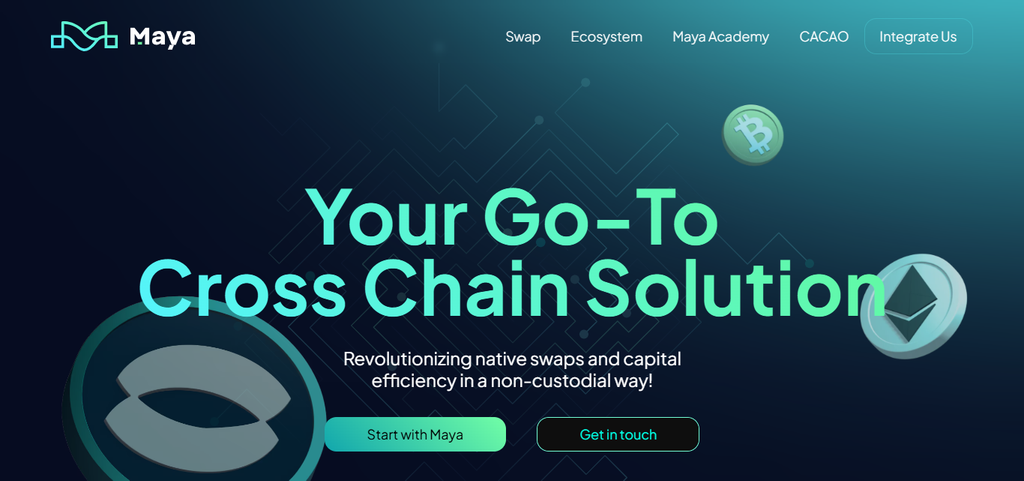
Benefits for Trading: Users can make eligible cross-chain swaps without depending on traditional wrapped-asset bridges alone. Security & Transparency: Evaluate validator/vault security, protocol documentation, liquidity depth, and cross-chain transaction risks. User Suitability: Maya Protocol is suitable for users who want cross-chain swaps. Selection Criteria: Before choosing it as an Osmosis alternative, compare supported assets, pool depth, total costs, slippage, and transaction reliability.
Maya Protocol Feature
| Feature | Explanation |
|---|---|
| Native Cross-Chain Swaps | Enables swaps between supported native assets across different blockchains. |
| Decentralized Liquidity | Uses protocol-managed liquidity pools to facilitate eligible asset exchanges. |
| No Wrapped-Asset Requirement | Its design aims to exchange supported native assets without conventional wrapped representations. |
| CACAO Token Utility | CACAO is the protocol’s native token, associated with its economic and liquidity mechanisms. |
9. Pumex
If you are looking into decentralized exchanges and alternatives within the Cosmos ecosystem, Pumex is a name you should consider. Before positioning it as a direct competitor to Osmosis, check the official project status, supported blockchain networks and the trading products currently offered. Blockchain Support: Just because it’s on a competitors list doesn’t mean it’s supported on the network.
Look for official documentation, verified contract information, etc. Trading Benefits: If there is an active exchange service, evaluate the token pairs available, the depth of liquidity, the swap execution and the trading fees that apply. Security & Transparency: Seek independent audits, transparent documentation, verified contracts and clear custody and withdrawal information.
User Suitability: Depends on if it offers an active service that satisfies the user’s trading needs. So what do you look for ? First, you want to make sure it is legitimate and operational . Then you want to look at its liquidity, what assets it supports, its fees, and its evidence of security ( compare these to Osmosis ).
Pumex
| Feature | Explanation |
|---|---|
| Trading Functionality | Verify the official project and currently available decentralized trading services. |
| Supported Token Markets | Check which tokens and trading pairs are currently available. |
| Blockchain Compatibility | Confirm supported networks through official documentation and verified contract addresses. |
| Platform Transparency | Review audits, liquidity information, fees, and withdrawal procedures before use. |
10. Kujira (FIN / Bow)
Kujira is a Cosmos ecosystem project associated with decentralized financial applications. FIN has provided order-book-style trading functionality, while BOW has been associated with liquidity management for decentralized markets. Their current availability and supported markets should be confirmed before use. Blockchain Support: Kujira’s applications are associated with its Cosmos-based network, while cross-chain asset access depends on supported integrations.
Trading Benefits: FIN’s order-book approach can appeal to users who prefer placing orders, while BOW’s liquidity mechanisms target market liquidity and trading efficiency. Security and Transparency: Review current contract status, audits, network documentation, liquidity conditions, and risks associated with trading or providing liquidity. User Suitability: Kujira may suit users seeking alternatives to automated market-maker-only exchanges. Selection Criteria: Compare active markets, order-book depth, fees, available assets, execution quality, and current protocol support before choosing FIN or BOW over Osmosis.
Kujira (FIN / BOW)
| Feature | Explanation |
|---|---|
| Order-Book Trading | FIN has provided order-book-style trading for supported digital assets. |
| Liquidity Management | BOW has been associated with liquidity mechanisms for decentralized markets. |
| Cosmos Network Integration | Kujira’s applications are associated with its Cosmos-based blockchain ecosystem. |
| Trading Flexibility | Different trading mechanisms can suit users with different execution and liquidity needs. |
Conclusion
To summarize, the Best Osmosis Competitors for Cosmos Ecosystem provide different possibilities for decentralized trading, liquidity management, and cross-chain swaps. Crypto users benefit from a variety of utilities with platforms
like Astroport, THORChain, Maya Protocol, and Kujira. When selecting a replacement, consider blockchain support, transaction fees, liquidity, security, and available trading pairs to find the platform that best fits your DeFi needs and trading objectives.
FAQ
Astroport provides automated market-making, liquidity pools, and token swaps across supported networks.
THORChain specializes in native cross-chain swaps, while Osmosis focuses on decentralized trading.
Crescent explores alternative trading mechanisms and capital-efficient decentralized finance services within Cosmos.
OraiDEX offers trading functionality, with cross-chain capabilities depending on current integrations and supported assets.

