


In this article, we will talk about the Top Bithumb Competitors for Asian Crypto Trading, including top cryptocurrency exchanges such as Upbit, Binance, OKX, Bybit, Gate.io, KuCoin, MEXC, Bitget, Coinone, and Bitbank.
We will review their supported cryptocurrencies, trading fees, security, regulatory compliance, liquidity and trading volume to provide readers with an idea of their main advantages and disadvantages.
Key Points & Top Bithumb Competitors for Asian Crypto Trading
- Upbit: A leading South Korean cryptocurrency exchange offering diverse digital assets and strong regional trading services.
- Binance: A global cryptocurrency exchange providing extensive trading pairs, competitive fees, and advanced trading tools.
- OKX: A major crypto platform offering spot trading, derivatives, staking, and comprehensive digital asset services.
- Bybit: A popular exchange known for derivatives trading, spot markets, and user-friendly cryptocurrency trading features.
- Gate.io: A cryptocurrency exchange offering extensive token listings, diverse trading products, and access to emerging digital assets.
- KuCoin: A global crypto exchange supporting numerous altcoins, automated trading tools, and multiple cryptocurrency investment options.
- MEXC: A cryptocurrency exchange recognized for broad token selections, frequent listings, and competitive trading fee structures.
- Bitget: A digital asset platform offering spot trading, derivatives, copy trading, and various cryptocurrency investment services.
- Coinone: A South Korean cryptocurrency exchange providing digital asset trading services tailored to the domestic cryptocurrency market.
- Bitbank: A Japanese cryptocurrency exchange offering spot trading, yen-denominated markets, and services for Japanese digital asset investors.
10 Top Bithumb Competitors for Asian Crypto Trading
1. Upbit
Upbit is a major competitor of Bithumb, with a strong foothold in South Korea and a focus on trading in Korean won Supported Cryptocurrencies: Upbit offers Bitcoin (BTC), Ethereum (ETH), XRP, Solana (SOL), and many other digital currencies, with availability varying by market.
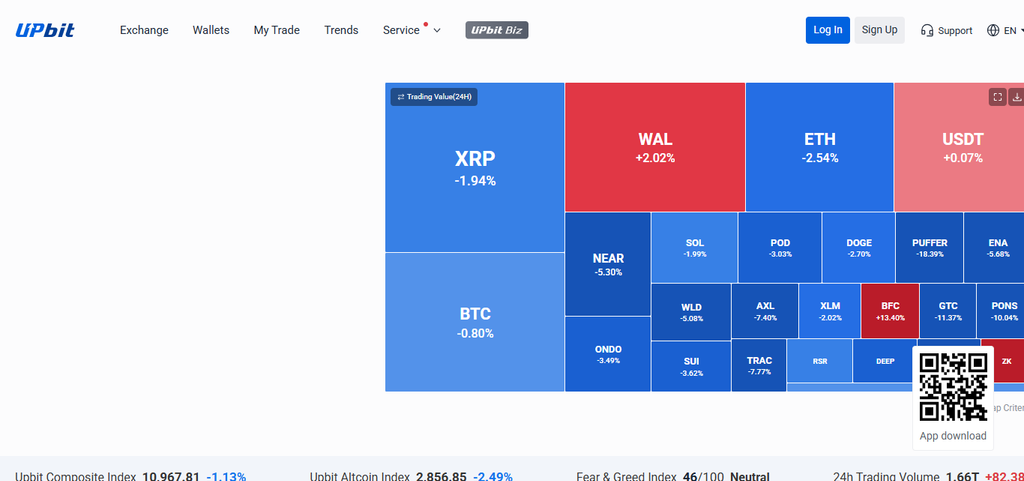
Trading Fees: Fees are determined by market, trading pair, and fee schedule, so users should consult the official fee guide before trading Security and Regulation: Upbit employs cold-wallet storage, multifactor authentication, and fraud detection systems. Its Korean operations are registered as a virtual asset service provider Liquidity and Trading Volume: Its Korean won markets see robust local trading activity, especially for major cryptocurrencies
Upbit Pros & Cons
| Pros | Cons |
|---|---|
| Strong presence in South Korea and support for KRW trading. | Primarily focused on selected Asian markets. |
| Offers major cryptocurrencies and various alternative coins. | Asset availability varies by market. |
| Established local compliance and security procedures. | Access requires compliance with Korean regulations. |
| Strong trading activity in popular KRW pairs. | Liquidity varies across less popular cryptocurrencies. |
2. Binance
Binance counters Bithumb with its global presence, huge selection of assets and wide variety of trading products. Supported Cryptocurrencies: Bitcoin, Ethereum, BNB, Solana, XRP, stablecoins and many altcoins (availability depends on your jurisdiction). Trading Fees: Standard spot fees are generally around 0.1% for maker and taker orders before qualifying discounts, with VIP tiers and BNB fee benefits lowering fees.
Security & Regulation Binance includes security features such as 2FA , withdrawal protections, reserve disclosures. Regulatory permissions vary by country. Liquidity and Trading Volume: As a leading global exchange, Binance has substantial activity in the top spot and derivatives markets, allowing many users to achieve competitive order execution.
Binance Pros & Cons
| Pros | Cons |
|---|---|
| Extensive selection of cryptocurrencies and trading pairs. | Availability and features vary by jurisdiction. |
| Competitive trading fees with potential discounts. | Fee structures can be complex for beginners. |
| Offers spot, futures, staking, and other trading services. | Advanced products involve significant financial risks. |
| High liquidity across many major trading pairs. | Regulatory restrictions may limit certain services. |
3. OKX
OKX is a major competitor to Bithumb, especially for traders interested in multiple markets and advanced trading features. Supported cryptocurrencies: Bitcoin, Ethereum, XRP, Solana, stablecoins, and other altcoins (depending on the user’s location). Trading Fees Fees are determined by account level, trading volume, asset category and product. Please review the applicable fee schedule before placing an order.
Security & Regulation: OKX releases proof-of-reserves reports and offers tools so users can verify covered assets. Its licence from the Dubai Virtual Assets Regulatory Authority is subject to the permissions and conditions of the licence. Liquidity and Trading Volume OKX has active spot and derivatives markets, and liquidity will depend on trading pairs and market conditions.
OKX Pros & Cons
| Pros | Cons |
|---|---|
| Supports major cryptocurrencies and numerous alternative assets. | Available assets differ between regions. |
| Offers spot, derivatives, and Web3-related services. | Advanced features may confuse inexperienced traders. |
| Publishes proof-of-reserves information. | Reserve disclosures do not eliminate counterparty risks. |
| Strong activity across major spot and derivatives markets. | Liquidity varies between trading pairs. |
4. Bybit
Bybit competes with Bithumb for international customers, offering a wide variety of cryptocurrencies and trading products. Cryptocurrencies supported: Its markets include Bitcoin, Ethereum, XRP, Solana, stablecoins and a host of altcoins subject to country restrictions. Trading Fees: Regular spot maker and taker fees are about 0.1%. However, VIP levels, promotions, and product-specific schedules can change the final cost.
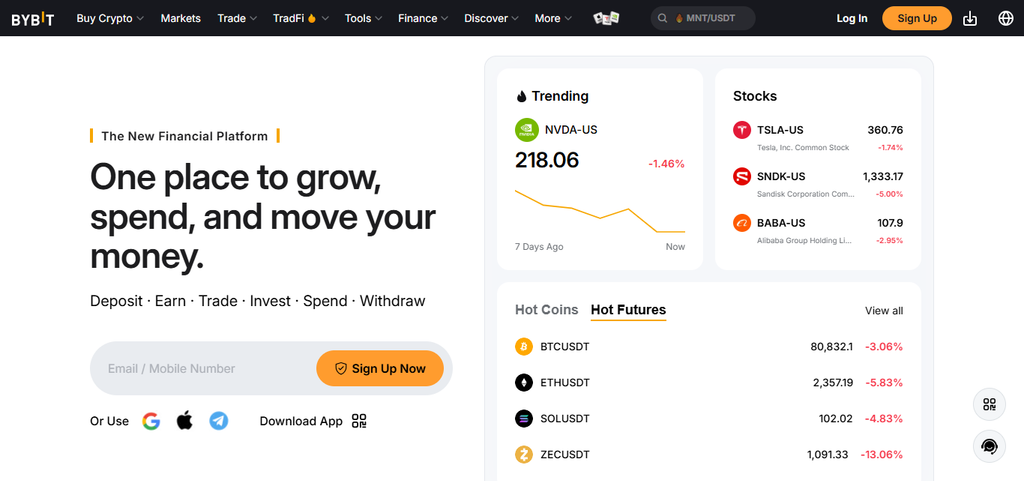
Security & Regulation Bybit offers proof-of-reserves information and has employed independent security verification for its reserve reporting. Users should verify the licensing status of the Bybit entity serving their country. Liquidity and Trading Volume Bybit is particularly active in the derivatives markets. Liquidity across spot pairs is varied. With a range of trading tools, it is an alternative for users looking for more than basic spot trading.
Bybit Pros & Cons
| Pros | Cons |
|---|---|
| Supports diverse cryptocurrencies and multiple trading products. | Some products are restricted in certain countries. |
| Offers spot trading and extensive derivatives features. | Derivatives can expose traders to substantial losses. |
| Provides security features and reserve-related disclosures. | Users must verify the applicable regional entity and licence. |
| Active markets for popular cryptocurrency derivatives. | Smaller spot pairs may have lower liquidity. |
5. Gate.io
Gate.io is looking to attract traders seeking access to a large number of electronic assets and compete with Bithumb. Supported Cryptocurrencies: The exchange provides a large number of cryptocurrencies including Bitcoin, Ethereum and many smaller tokens and new projects. Single listings and withdrawal networks may vary.
Trading Fees: Basic spot fees begin at approximately 0.1%. Different pairs, account tiers, and promotional offers may have different rates. Security and Regulation Gate provides reserve information and security controls.
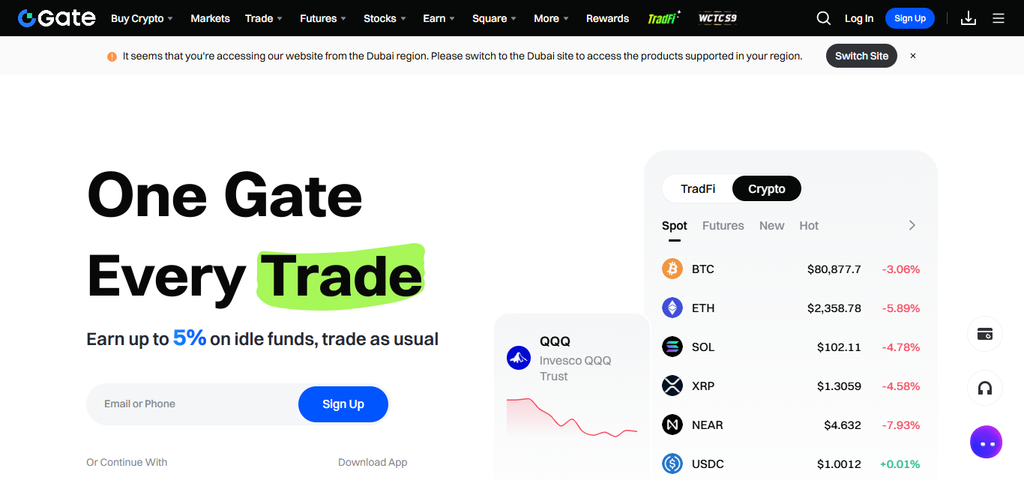
Users should review the methodology and coverage of its reserve disclosures. Regulatory permissions are country and operating entity dependent. Liquidity and Trading Volume: It provides trading opportunities across numerous markets with a wide range of listings, but smaller tokens may have less liquidity and wider spreads than major crypto pairs.
Gate.io Pros & Cons
| Pros | Cons |
|---|---|
| Lists a broad range of cryptocurrencies and altcoins. | Extensive listings can include highly speculative tokens. |
| Offers multiple trading products and market options. | Beginners may find the platform complex. |
| Provides security features and reserve-related disclosures. | Users should independently assess disclosure coverage. |
| Offers trading opportunities in emerging digital assets. | Smaller tokens may have wider spreads and lower liquidity. |
6. KuCoin
KuCoin competes with Bithumb on international customer base and wide selection of alternative cryptocurrencies. Supported Cryptocurrencies: KuCoin supports Bitcoin, Ethereum, stablecoins, and a bunch of altcoins, some of which might not be available on every regional exchange. Trading Fees: Standard spot fees for most major token classes are typically around 0.1% each way, with costs influenced by token classes, account tiers, and KCS benefits.
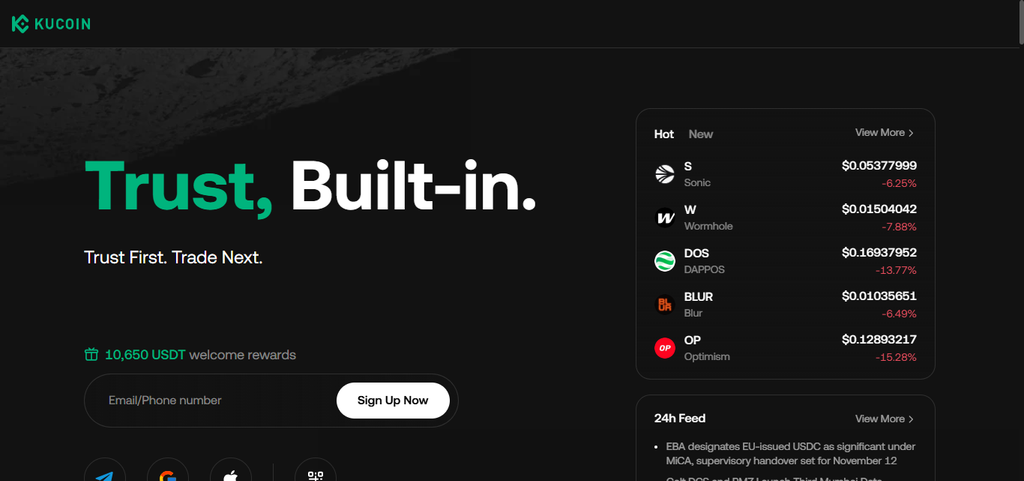
Security and Regulation KuCoin provides security features and reserve information but users should verify how much is disclosed and the status of relevant licenses. Availability may be limited in some jurisdictions. Liquidity and Trading Volume The more popular altcoins tend to have more trading activity than the major pairs, so it’s important to check liquidity at the pair level before putting larger orders through.
KuCoin Pros & Cons
| Pros | Cons |
|---|---|
| Supports numerous cryptocurrencies and alternative coins. | Some listed assets have limited trading activity. |
| Offers spot trading and other cryptocurrency products. | Product availability depends on local regulations. |
| Provides account security tools and reserve-related information. | Security disclosures do not guarantee protection against losses. |
| Useful for discovering less widely listed tokens. | Lower-volume pairs may experience price slippage. |
7. MEXC
MEXC competes with Bithumb for traders who want to see a wide range of tokens listed and access to new crypto projects. Supported Cryptocurrencies MEXC supports Bitcoin, Ethereum, stablecoins and many altcoins, but not every asset is available in every region or product. Trading Fees: MEXC has advertized very low spot trading fees including zero-maker-fee promotions for selected markets; check its current fee page for standard rates and eligibility.
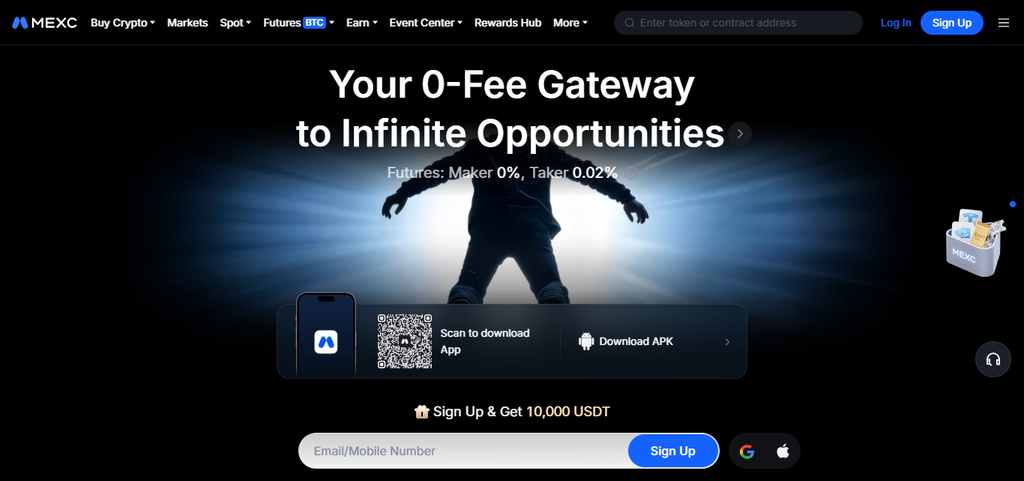
Security and Regulation Users should not take for granted that global availability means regulatory approval. Review the exchange’s security documentation, reserve disclosures, and licensing status in your jurisdiction. Liquidity & Trading Volume: Popular pairs may enjoy high activity and liquidity, but smaller or newer listings typically have wider spreads, thinner order-book depth, and more volatile prices.
MEXC Pros & Cons
| Pros | Cons |
|---|---|
| Offers a wide selection of digital assets. | Newly listed tokens may carry substantial risks. |
| Advertises competitive fees and selected promotions. | Promotional fees and eligibility can change. |
| Provides access to emerging cryptocurrency projects. | Users should carefully verify project legitimacy. |
| Offers spot and derivatives markets. | Liquidity may be limited for smaller tokens. |
8. Bitget
Bitget takes aim at Bithumb’s supremacy with a mix of cryptocurrency markets, copy trading and derivative products. Supported cryptocurrencies: Bitget supports Bitcoin, Ethereum, stablecoins and a wide range of altcoins, subject to product and regional availability. Trading Fees: The average spot trading fees are around 0.1% for both maker and taker orders. Discounts are available based on account benefits or any current promotions.

Security and Regulation Bitget has a protection fund and publishes proof-of-reserves information, but this does not eliminate trading or counterparty risks. Verify local licensing and product eligibility. Users Liquidity and Trading Volume The exchange offers active spot and derivatives markets, but execution quality varies by pair, order size and market conditions. It’s copy-trading features set it apart from more regionally focused Korean exchanges.
Bitget Pros & Cons
| Pros | Cons |
|---|---|
| Supports major cryptocurrencies and numerous altcoins. | Available assets and products vary by jurisdiction. |
| Offers copy trading and derivatives features. | Copy trading does not guarantee profitable results. |
| Publishes proof-of-reserves information and maintains a protection fund. | Protection arrangements have specific terms and limitations. |
| Provides active markets for popular trading pairs. | Liquidity differs across spot and derivatives markets. |
9. Coinone
Coinone is a direct regional competitor to Bithumb, targeting the South Korean cryptocurrency market and Korean won trading. Supported Cryptocurrencies: Coinone supports Bitcoin, Ethereum, XRP, Solana and many other assets, with details on available networks and deposit requirements available on its official supported-asset list. Trading Fees: The site advertizes a standard maker and taker fee of 0.25%, but eligible vouchers and promotions can reduce fees.
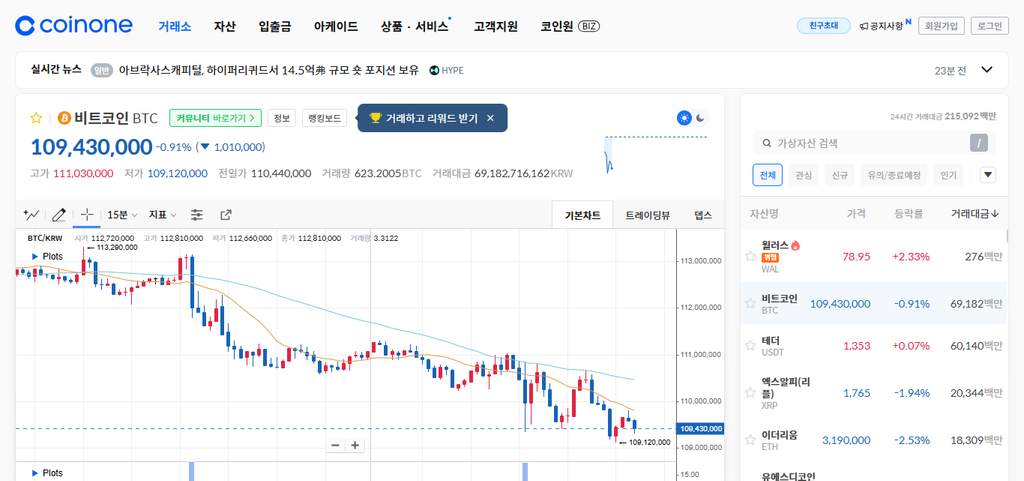
Regulation & Security Coinone operates under the virtual asset regulations of South Korea. Customers should check its actual registration and the applicable requirements. It is important to have account security and choose the right deposit network. Liquidity and Trading Volume Coinone supports KRW-denominated markets, but liquidity varies across listed assets. For a particular cryptocurrency, traders can use order-book depth and spreads compared to Bithumb to see which exchange offers better execution.
Coinone Pros & Cons
| Pros | Cons |
|---|---|
| Established presence in South Korea’s cryptocurrency market. | Primarily oriented toward the South Korean market. |
| Supports Korean won trading for eligible assets. | KRW access may require Korean verification and eligibility. |
| Operates within South Korea’s applicable regulatory framework. | Regulatory requirements can limit account access. |
| Offers trading in major cryptocurrencies and selected altcoins. | Asset selection may be narrower than global competitors. |
10. Bitbank
Bitbank is an Asian exchange that caters to traders wanting to trade on a regional platform and in local currency markets, competing with Bithumb. Supported cryptocurrencies: Bitbank provides spot trading for Bitcoin, Ethereum, XRP, and other supported cryptocurrencies. The exact list may vary, so check its official market list. Trading fees: The maker and taker fees depend on the trading pair and the account terms. Users are advised to check the current schedule of fees, rather than assume that historical rates still apply.
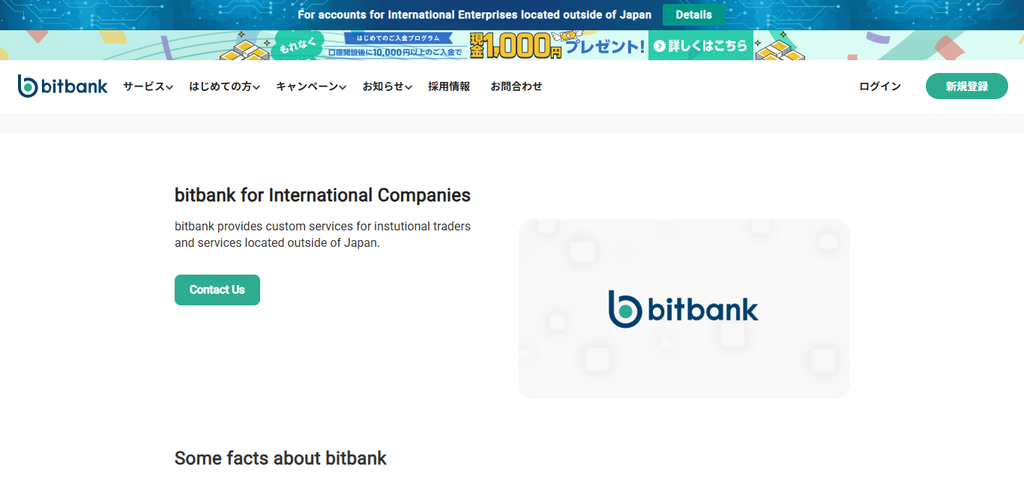
Security and Regulation Bitbank operates under the regulation of the Japanese cryptocurrency market, but it is still recommended to check the current registration details and protections available to customers. Liquidity & Trading Volume: Japanese traders pay attention to its JPY-denominated markets, but order-book depth varies by pair. You’ll be able to see which one fits a trader better, Bitbank or Bithumb, by comparing the spreads, execution quality and supported yen markets.
Bitbank Pros & Cons
| Pros | Cons |
|---|---|
| Established presence in Japan’s cryptocurrency market. | Primarily serves Japan-focused trading needs. |
| Supports JPY-denominated cryptocurrency markets. | International access may be restricted. |
| Operates within Japan’s applicable cryptocurrency regulatory framework. | Users must meet local account requirements. |
| Provides spot markets for major digital assets. | Asset selection is smaller than some global exchanges. |
Conclusion
Finally, the leading Bithumb competitors for Asian crypto trading are Upbit, Binance, OKX, Bybit, Gate.io, KuCoin, MEXC, Bitget, Coinone, and Bitbank. Supported cryptocurrencies, trading fees, security, and liquidity each have their own advantages in each exchange.
Traders have to consider these factors, review regional regulations and check the platform availability before choosing an exchange that fits their cryptocurrency trading needs and preferences.
FAQ
Upbit, Binance, OKX, Bybit, Gate.io, KuCoin, MEXC, Bitget, Coinone, and Bitbank are notable competitors.
The best exchange depends on supported currencies, fees, liquidity, security, and regional availability.
Comparing exchanges helps traders evaluate trading costs, available cryptocurrencies, security features, and market liquidity before choosing a platform.
Availability varies by country, licensing requirements, and local cryptocurrency regulations.
Compare supported cryptocurrencies, trading fees, security measures, regulatory compliance, liquidity, and trading volume.

