



in this article, I will talk about the Best Crypto Exchanges With Proof of Reserves which help ensure platform transparency and trust via proof of reserve reporting.
To ensure safety around your trading, you become familiar with how leading exchanges use Proof of Reserves to guarantee user funds are truly accounted for while also encouraging accountability and instilling confidence in the crypto arena.
How To Choose Best Crypto Exchanges With Proof of Reserves
Check Proof of Reserves Method Exchanges that support Merkle-tree verification rather than screenshots or statements. Exchanges such as Binance and Kraken allow users to cryptographically verify their balances, thus being more reliable than mere reports.
Audit Frequency Matters Choose Exchanges with Regular PoR Reports (monthly or quarterly) OKX and Gate. io who update their data frequently, thus lowering the chance of outdated information.
Third-Party Verification Verified reserves only confirm by independent auditors on reliable exchanges. Crypto. com and Gemini also frequently lean on outside companies for an additional measure of credibility.
Transparency of Wallet Addresses On-chain wallet addresses are disclosed publicly by top exchanges. Both Binance and OKX allow users to check their holdings straight on the blockchain.
Reserve Ratio (Over-Collateralization) Ensure reserves are √ ≥100% of user funds. Both Bybit and KuCoin tend to publish their reserve ratios, which display over-collateralisation.
Regulatory Compliance Regulated exchanges are generally safer. Coinbase and Bitstamp show transparency by way of legal audits and open financial disclosures.
User Verification Tools Do your PoR snaps where you know it’s your own funds they record. Kraken is at the forefront of this very feature.
Real-Time or Advanced PoR Tech Watch for exchanges implementing next-gen transparency tools such as zk-proofs or live dashboards. Towards that goal, Binance is investing in privacy-preserving verification systems.
Key Poinst & Best Crypto Exchanges With Proof of Reserves
| Exchange | Proof of Reserves Method | Key Strengths |
|---|---|---|
| Binance | Third-party Merkle Tree audits | Largest liquidity, wide asset support |
| Coinbase | Public financial disclosures + reserve attestations | US-regulated, insured custody |
| Kraken | Independent audits published quarterly | Strong security, staking options |
| OKX | Real-time Merkle Tree proof | High transparency, global reach |
| Bybit | Regular third-party audits | Derivatives leader, insurance fund |
| Bitstamp | Licensed in EU, audited reserves | Oldest exchange, regulatory compliance |
| KuCoin | Merkle Tree + external auditor | Wide altcoin selection |
| Gate.io | On-chain reserve verification | Large token variety |
| Crypto.com | Monthly attestations by Mazars | Strong retail presence, Visa card integration |
| Gemini | NYDFS-regulated, audited reserves | Institutional-grade custody |
10 Best Crypto Exchanges With Proof of Reserves
1. Binance
After the FTX crash, Binance takes the lead from others as the Proof of Reserves used globally. This also introduced Merkle-tree-based PoR, enabling users to cryptographically verify balances.
In demonstrating this publicly, Binance disclosed wallet addresses and breakdown by asset, including BTC, ETH and stablecoins—totaling over $140 billion in reserves—making it the largest PoR holder anywhere in the world.
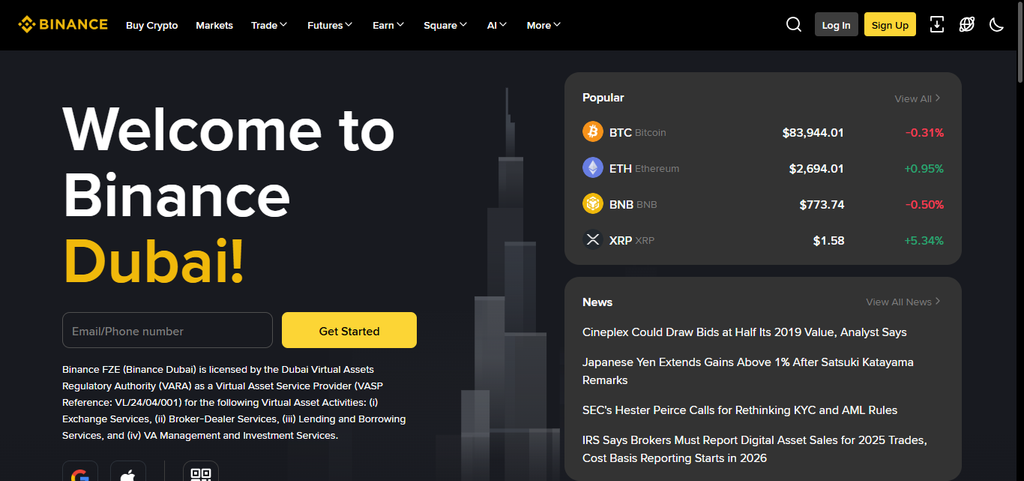
Binance’s real time transparency dashboards and zk-SNARK based upgrades for privacy-preserving verification are novel developments (CoinMarketCap) But skepticism persists over incomplete liability disclosures, driving Binance’s transition from reserves to complete Proof of Solvency.
Binance Pros & Cons
Pros:
- Largest PoR reserves globally (~$155B), showing strong liquidity
- Monthly PoR reports with reserve ratio >100% (industry leader)
- Public wallet transparency + Merkle-tree verification
- Deep liquidity and wide asset coverage
Cons:
- Limited full liability disclosure (not full solvency)
- Regulatory issues in multiple countries
- Complex ecosystem for beginners
2. Coinbase
Coinbase takes a different approach and that’s because of their status as publicly-traded company. Whereas Merkle-tree PoR offers audited financial statements and regulatory filings to ensure that their books are in order, which meets the standards of traditional finance for accountability.
The firm stresses that customer funds are not used without their consent, and it hold customers’ capital 1:1. Its unique advantage is its highly-visible integration with U.S.
regulatory oversight, which makes it one of the most institutionally trusted exchanges in the industry. More recently, Coinbase began exploring on-chain verification tools To supplement its audits, thus merging the transparency mechanisms in traditional finance with blockchain-native PoR methods.
Coinbase Pros & Cons
Pros:
- Public company with audited financial reports
- Strong regulatory compliance (U.S.-based trust)
- Clear statement: user funds not used without permission
- Beginner-friendly platform
Cons:
- No detailed PoR (Merkle-tree) transparency
- Higher trading fees
- Less transparency compared to PoR-native exchanges
3. Kraken
On October 2023, Kraken was one of the first to implement Proof of Reserves that underwent regular cryptographic auditing since 2022. This is enabled by a Merkle-tree system and independent auditor verification, enabling users to check that their balances have been accounted for in audits.
Kraken claimed an assertive advantage in user verification, while providing individuals with the opportunity to independently validate their own presence inside reserve snapshots.
In contrast to many competitors, Kraken has focused some energy on combining the reserves with liabilities and moving toward full Proof of Solvency. With its continuous audit model and transparency reports, it is the industry’s most tech-savvy PoR implementation.
Kraken Pros & Cons
Pros:
- Early adopter of PoR (since 2022)
- User verification tool (check your balance in audits)
- Strong security and compliance reputation
- Moves toward Proof of Solvency
Cons:
- Less frequent PoR reports vs Binance/OKX
- Limited public wallet disclosure
- Slightly complex UI for beginners
4. OKX
Holdings one of the largest reserve shares even, Binance has since become a major player in PoR, alongside OKX. It releases details like wallet addresses and assets, heavily weighted toward BTC and ETH, in their reserves.
They publish PoR reports monthly, complete with third-party verification and audit tools (open-source) which is a unique feature OKX has also launched “Proof of Reserves ratio” metrics that demonstrate over-collateralization levels for key assets.
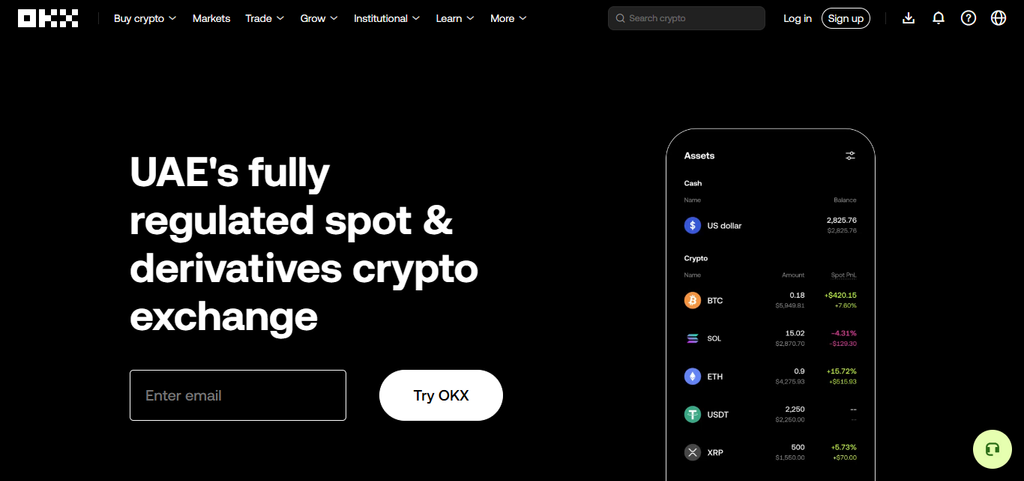
Lately, it has been contributing to zero-knowledge proof systems, which provide transparent information and protect the privacy of its users. This outlines MEXC as highly techforward exchange among PoR ecosystem.
OKX Pros & Cons
Pros:
- Consistent monthly PoR reports + strong reserve ratios
- Second-largest reserves after Binance
- Advanced transparency tools and dashboards
- Strong derivatives & trading features
Cons:
- Past regulatory/legal issues (compliance concerns)
- Complex platform for new users
- Limited fiat support in some regions
5. Bybit
To compete with top exchanges, Bybit has quickly integrated PoR and is now among the world’s largest holders of it. It publishes with Merkle-tree verification reserve data and keeps asset ratios updated regularly.
Bybit also has transparency dashboards showing realtime collateralization levels, which is unique. The exchange further combines PoR with risk management tools, providing traders oversight over liquidity health.
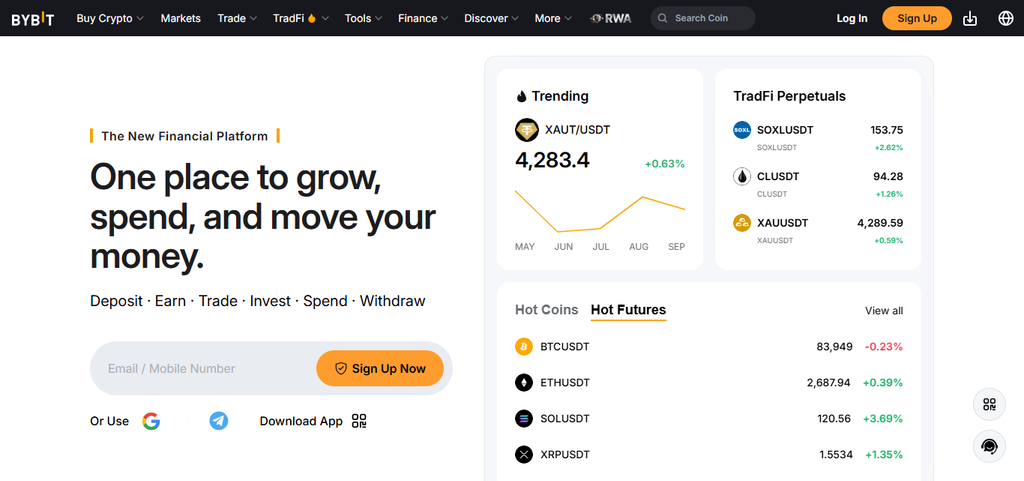
More recently, Bybit has added more altcoins and derivatives collateral to its PoR, putting it among the handful of exchanges applying PoR to assets beyond spot trading.
Bybit Pros & Cons
Pros:
- High reserve ratios and growing PoR transparency
- Strong derivatives and trading tools
- Real-time transparency dashboards
- Competitive fees
Cons:
- PoR reporting less consistent than top leaders
- Limited regulation compared to Coinbase/Kraken
- Not ideal for beginners
6. Bitstamp
Bitstamp opts for old-school financial transparency rather than commercial-grade cryptographic PoR systems. As one of the older exchanges it remains heavily reliant on external audits and regulatory compliance in Europe.
Its model focuses on capital reserves, custody security and banking partnerships. One thing stands out for us, is Bitstamp’s compatibility with EU financial regulation (like MiCA readiness), which builds trust indirectly in a manner similar to PoR.
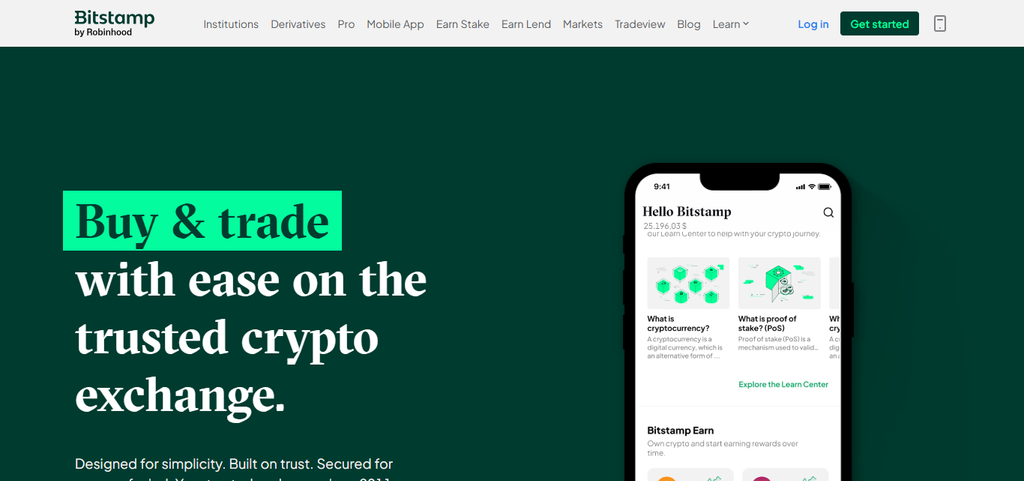
It has not aggressively marketed Merkle-tree proofs like its competitors, but its steady and regulated model appeals to institutional investors who want stability over investigational transparency mechanisms.
Bitstamp Pros & Cons
Pros:
- Highly regulated (EU-based trust)
- Long-standing reputation (one of oldest exchanges)
- Strong banking relationships
- Focus on financial audits
Cons:
- Limited advanced PoR transparency
- Fewer crypto assets
- Higher fees vs competitors
7. KuCoin
KuCoin had implemented Proof of Reserves in response to calls for transparency from the industry. It allows Merkle-tree-based verification and publishes reserve ratios for major assets such as BTC and ETH.
KuCoin’s PoR subsequent reports revealed over-collateralization of some assets, meaning they have reserves exceeding liabilities. Its verification system is a unique aspect, traders can verify their holdings using snapshots.
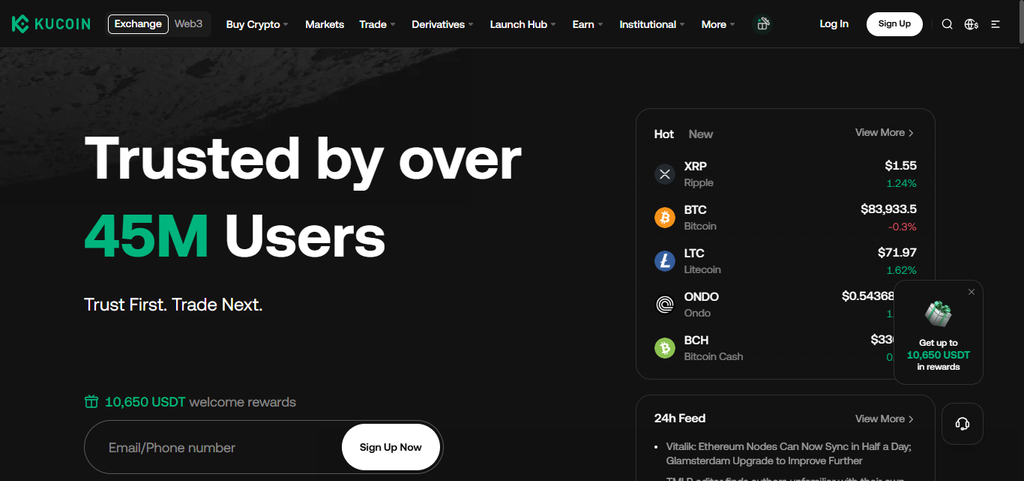
Recently, KuCoin is putting more effort in extending PoR coverage for a larger number of tokens and gradually increasing audit frequency. But, like many exchanges, it is underscrutinized when it comes to fully accounting for liabilities and full transparency reporting.
KuCoin Pros & Cons
Pros:
- Provides Merkle-tree PoR verification
- Wide altcoin selection
- Competitive fees
- Shows reserve ratios for major assets
Cons:
- Partial transparency (liabilities unclear)
- Regulatory uncertainty
- Security concerns in past incidents
8. Gate.io
Gate. io is one of the first exchanges to adopt Proof of Reserves, with audits originating from as early as 2020. There, it is unique for publishing open-source PoR solutions, enabling developers to examine and authenticate its methodology. The reserve ratio significantly exceeds the expectation of 100% for deposits of BTC and ETH (BTC, ETH reserves > deposits)
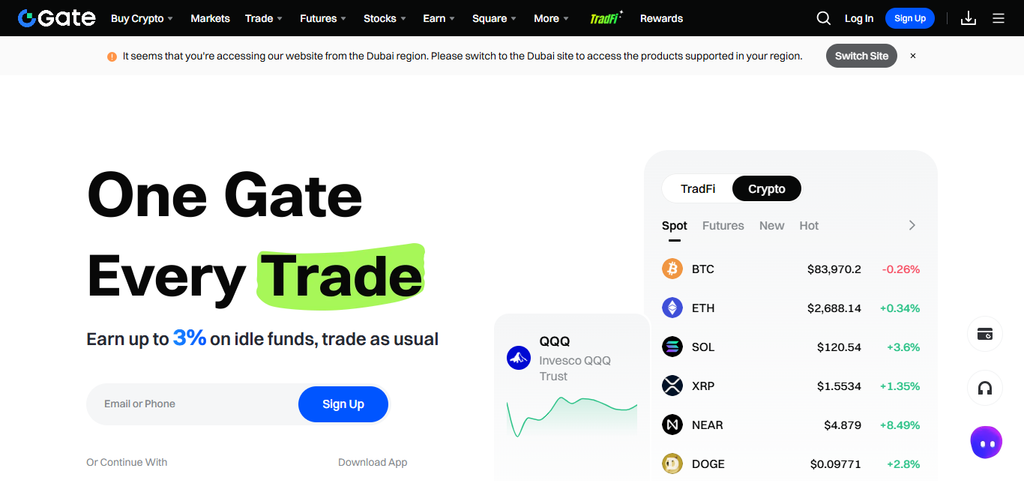
Gate. io is unique in sharing both reserves and liabilities in some reports; this transparency stands as the only true contribution to crypto accounting. We recently improved the audit frequency and wider asset coverage of our PoR system, making us a leader in open & verifiable transparency practices.
Gate.io Pros & Cons
Pros:
- Early PoR adopter (since 2020)
- Open-source PoR system (high transparency)
- Over 100% reserve ratios for BTC & ETH
- Wide asset availability
Cons:
- Lower brand trust vs top-tier exchanges
- UI can be complex
- Limited regulatory clarity
9. Crypto.com
Crypto. The collapse of FTX was followed by a release of actuarial Proof of Reserves from com, who provided wallet addresses with billions worth and break downs of assets.
It focuses on 1:1 backing of customer funds, and it has engaged third-party auditors to verify reserves. Its incorporation of PoR into its wider ecosystem, including wallets and other DeFi services, is also unique.
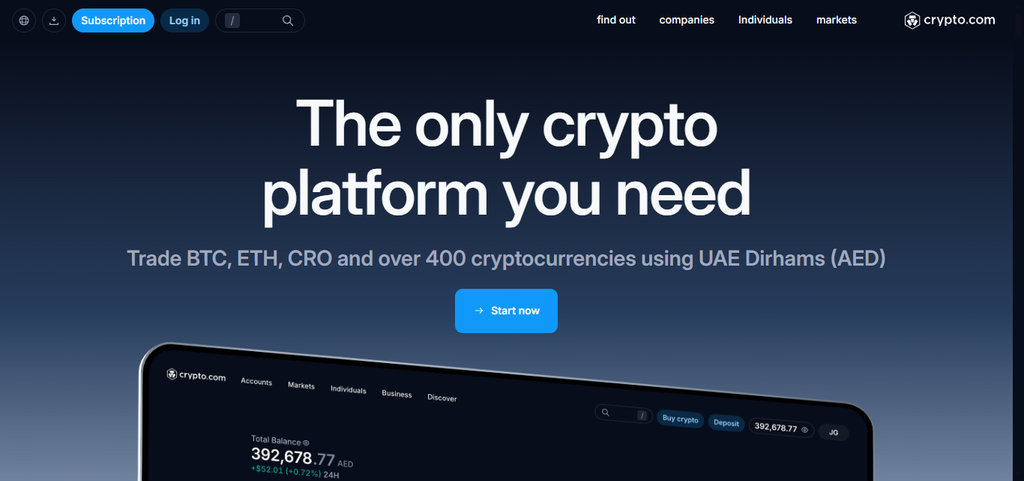
Recently, Crypto. com has centered on enhancing transparency dashboards and offering more straightforward asset allocation reporting. That said, critics point out that because PoR snapshots do not cover all liabilities, the exchange is being pushed toward more comprehensive financial disclosures.
Crypto.com Pros & Cons
Pros:
- Publishes wallet addresses and PoR reports
- Strong brand and ecosystem (card, DeFi, app)
- Third-party audit involvement
- Focus on user fund safety
Cons:
- PoR is snapshot-based (not real-time)
- Limited liability transparency
- Higher fees on some services
10. Gemini
What sets Gemini apart is that it layers Proof of Reserves with solid regulatory compliance inside the U.S. It releases independent auditor attestations that customer assets are fully backed.
One aspect that stands out is Gemini’s commitment to transparency via periodic audit reports, rather than solely cryptographic-proof-of-reserves systems.

The exchange has also experimented with real-time verification tools and custody transparency through its Gemini Trust structure. Gemini has recently reiterated its adherence to compliance-driven transparency and pursued a compliant institution-friendly platform while the rest of the industry is rushing toward advanced on-chain PoR systems.
Gemini Pros & Cons
Pros:
- Strong regulatory compliance (U.S.)
- Regular third-party audit attestations
- High security and insurance coverage
- Institutional-grade trust
Cons:
- No advanced Merkle-tree PoR system
- Limited asset selection
- Lower liquidity vs Binance/OKX
Why Proof of Reserves Matters
Why Proof of Reserves Matters
Why PoR is ImportantPOC matters because it ensures that a crypto exchange really holds enough assets to meet on-demand any user deposits. In the wake of big exchange collapses in the crypto space, PoR is now seen as an important trust factor by users.
First, it minimizes the risk of fraud or undisclosed insolvency, when exchanges could put customer assets to improper use without telling them. Second, it increases transparency because users can confirm on-chain that cash is there instead of solely taking the website’s word. Third, it boosts market confidence and draws retail and institutional investors.
Cryptographic verification methods, such as the Merkle tree, are used in centralized exchanges like Binance and Kraken so that users can independently verify that their balances were included in an audit.
However, Proof of Reserves is not infallible — it will usually only include assets, never full liabilities — thus PoR needs to be paired alongside audits and regulation so people using a custodial service can be completely safe.
Risks & Considerations
- Snapshot audits only: Proof of reserves shows holdings at one point in time, not continuous solvency.
- Excludes liabilities: Some exchanges disclose assets but not debts, which can mislead users.
- Reliance on auditors: Trust depends on the credibility of the auditing firm.
Conclusion
As a result, it is recommended to use such crypto exchanges with proof of reserves that provide transparency, and investment security for users in this highly potential but risky market.
These include platforms like Binance, Kraken, OKX and others that aid in verifying that customer funds are fully-backed. But users still need to look for regulation, auditability and general trustworthiness in the exchange they use for safe and sound crypto trading.
FAQ
Proof of Reserves is a system where crypto exchanges show that they hold enough assets to match customer deposits.
It improves transparency and helps users verify that their funds are safely backed.
Popular exchanges include Binance, Kraken, OKX, Bybit, and Gate.io.
They use blockchain data, wallet addresses, and Merkle-tree proofs.

