



In this article, I will discuss the Best Hybrid Crypto Exchanges Using AI Tools for Microsecond Smart Order Routing. I will focus on exchanges that utilise advanced algorithms to perform trade executions, reduce slippage, and optimise market liquidity.
I will show you how these hybrid exchanges integrate both centralised and decentralised systems for high-performance, low-latency, real-time crypto trading.
| Hybrid Crypto Exchange | Explanation |
|---|---|
| Binance | Uses AI smart routing for fast optimal liquidity execution trading |
| Bybit | AI driven routing optimizes trade execution across multiple liquidity sources |
| OKX | AI smart routing analyzes liquidity depth for best price execution |
| Kraken | Machine learning improves routing efficiency and reduces trading execution latency |
| Bitget | AI liquidity aggregation enables faster routing and improved trade execution |
| KuCoin | AI monitors markets and routes orders for better execution pricing |
| Gate.io | Hybrid AI system routes orders using real time liquidity analysis |
| HTX (Huobi) | Machine learning models optimize order routing across global liquidity pools |
| Bitfinex | AI trading engine enhances routing precision and reduces slippage risk |
| dYdX | Decentralized AI routing connects cross chain liquidity for efficient trading |
10 Best Hybrid Crypto Exchanges Using AI Tools for Microsecond Smart Order Routing
1. Binance
Binance is the best hybrid crypto exchange using AI smart order routing for fast trades. The system scours liquidity pools within both central and decentralised markets. Binance uses machine learning to combat slippage and improve the efficiency of price matching.
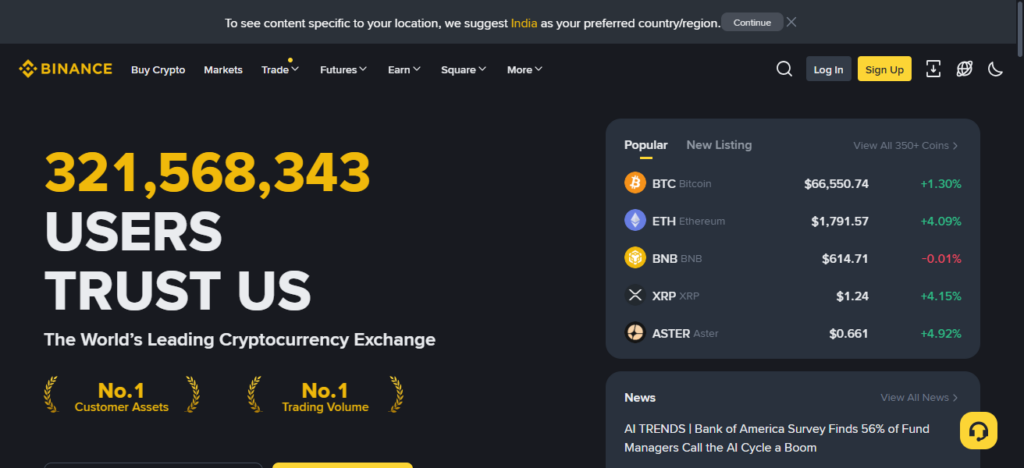
Binance is continuously upgrading its AI to handle more high-frequency trades. The platform is designed for rapid trades, allowing institutions and retail customers the ability to access trade executions at the level of microseconds.
Binance Pros & Cons
Pros
- Unmatched liquidity
- Minimal slippage thanks to cutting-edge AI smart order routing
- Each order is executed with institutional-grade speed
- Access to the entire Binance ecosystem, including derivatives, DeFi, and spot
Cons
- Certain jurisdictions have trading bans
- Orders come with increased competition
- Orders executed with centralised liquidity add to slippage
- UI complexity for new users
2. Bybit
Bybit’s AI routing systems optimise the trade execution of multiple liquidity providers. The hybrid system combines central order books and external liquidity for improved price discovery, and uses an AI engine to determine the fastest execution route for the current market conditions.
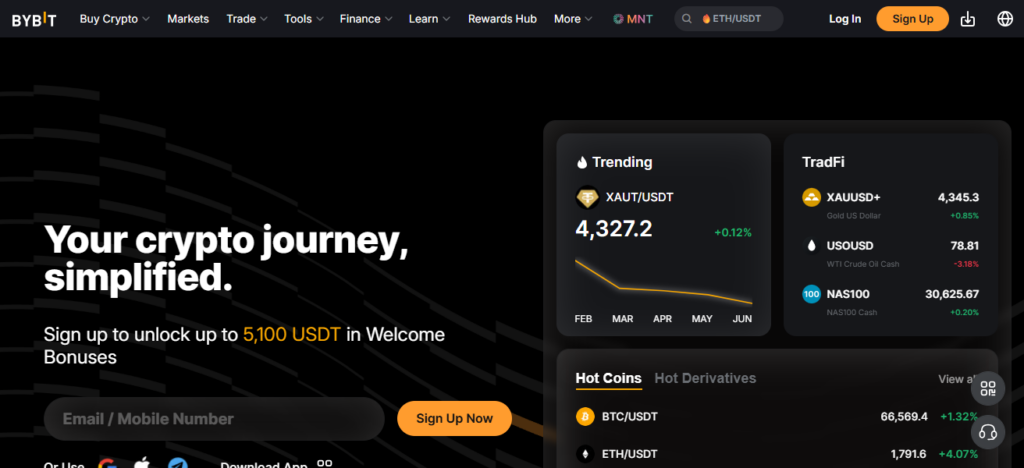
Bybit’s infrastructure is designed for derivatives and leverage trading, meaning even microsecond delays can be detrimental. The smart routing system undergoes constant improvements and helps lower latency and optimise fill for execution.
Bybit Pros & Cons
Pros
- Derivative orders are executed quickly with smart AI routing
- Perpetual contracts have great liquidity
- Optimal infrastructure for trading with low latency
- Advanced tools, still an easy UI
- Cons
- Spot trading is limited
- Risk of regulatory issues in certain areas
- Order execution has no true DeFi
- New traders might lose funds with high leverage
3. OKX
OKX hybrids AI to smart order routing. The system uses algorithms to analyse the depth of liquidity, as well as spreads and pressure in the order book. CEX speed and DEX liquidity is combined for smart order routing.
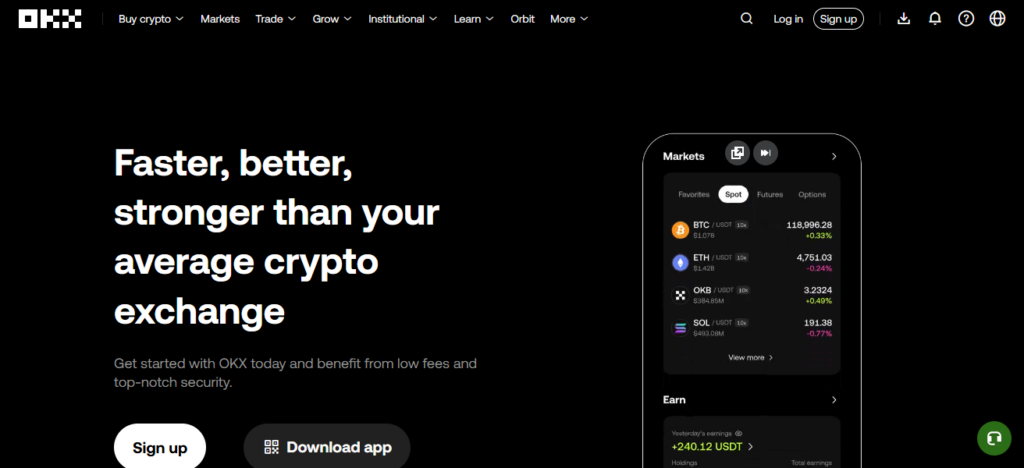
OKX trades at a more efficient price due to advanced order routing. OKX customers benefit from quality order execution and decreased cost in volatile trading through smart routing and increased predictive capabilities.
OKX Pros & Cons
Pros
- AI routing with liquidity prediction adjusts DeFi pricing
- Blends the best of centralised and DeFi markets
- Derivatives and futures markets have great liquidity
- High matching engine throughput
Cons
- Advanced trading UI for beginners
- Some products have region restrictions
- Spot liquidity is inconsistent
- KYC is mandatory
4. Kraken
Kraken uses machine learning to optimise routing and minimise delays. Their hybrid exchange architecture provides the ability to trade quickly and reliably, while still prioritising security. Kraken’s AI analyses market conditions to determine the best route to execute a trade.
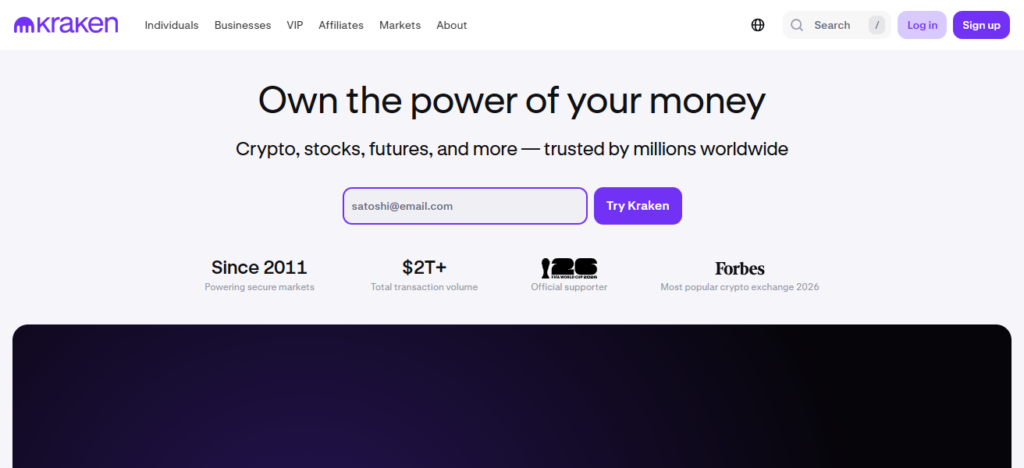
Kraken’s architecture works especially well with heavily regulated markets where compliance and stability are a priority. Because of this, most institutional traders of crypto will prefer to use Kraken.
Kraken Pros & Cons
Pros
- Security and high liquidity is guaranteed
- ML liquidity routing is a tremendous advantage
- Consistently executed orders even in turbulent volume
- Institutional grade order execution
Cons
- Smaller coin offerings
- Slow development compared to competitors
5. Bitget
Bitget uses AI to perform liquidity aggregation that connects traders to numerous market makers and liquidity pools. Sometimes, price differences can lead to less-than-ideal execution.

Bitget’s smart order routing helps to minimise this by choosing the best route. Bitget’s hybrid architecture is the only one to accommodate both spot and derivatives trading. Bitget’s AI is consistently improving and being adapted to work with all its users across the globe.
Bitget Pros & Cons
Pros
- Innovative AI liquidity aggregation
- Strong environment for derivatives trading
- Execution with low slippage
- Copy trading
Cons
- Global liquidity is limited compared to Binance
- Some regional regulatory concerns
- Restricted advanced DeFi
- Relies on market makers for depth
6. KuCoin
KuCoin’s AI systems help with the real-time and continuous monitoring of liquidity and volatility. KuCoin’s smart routing helps users trade at the best price by selecting the best channel.
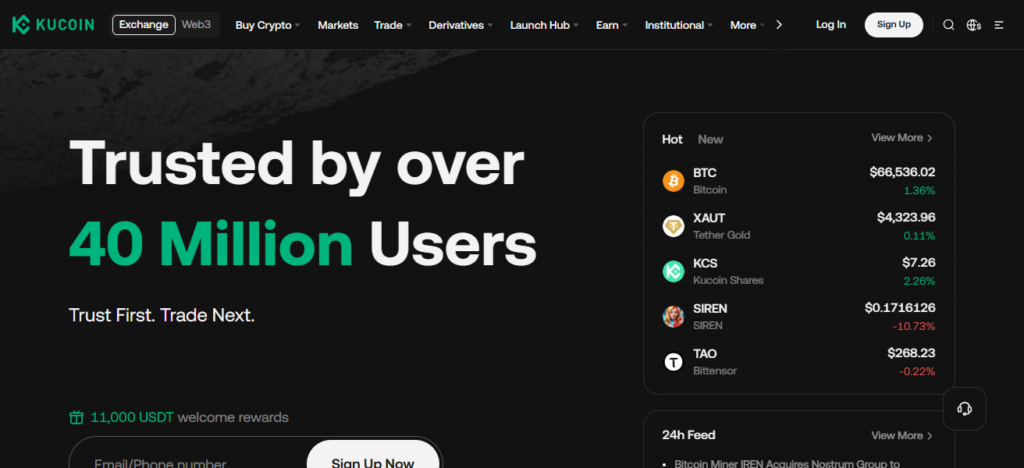
KuCoin’s AI heavily facilitates trading and positively impacts the quality of trades done, especially in high-volume situations, for all users, retail and professional. KuCoin even serves users with a multitude of tokens.
KuCoin Pros & Cons
Pros
- Good range of both tokens and altcoins
- Trade execution with AI monitoring
- Low cost to trade
- Good global user base
Cons
- Low regulatory visibility
- Some liquidity for low-cap tokens
- Less safe with past concerns
- Some areas of the world are not compliant
7. Gate.io
Gate.io’s hybrid architecture integrates the best aspects of centralised trading and the liquidity of decentralised systems. Gate.io uses AI to assess liquidity and the optimal trading route. It also works to reduce slippage and optimise the matching of orders.
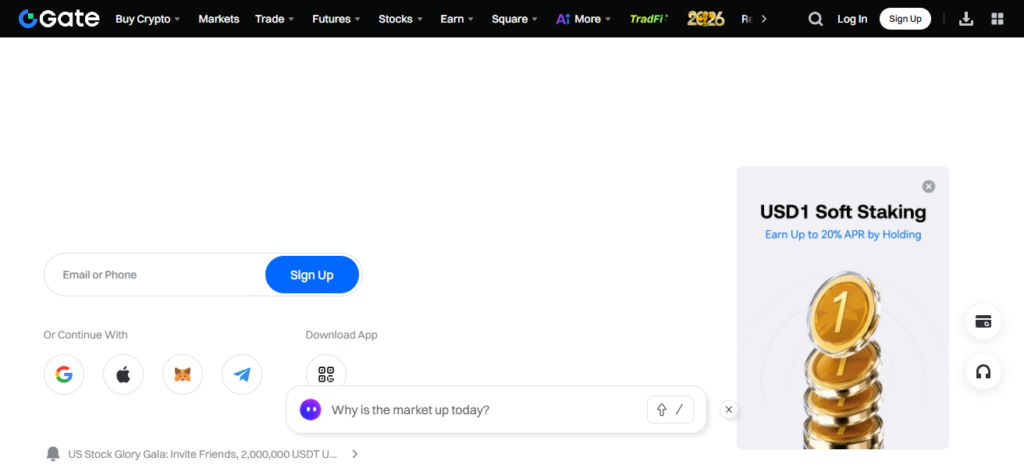
Gate.io’s systems provide traders with optimal execution speeds and augmented risk management, making it an ideal platform for crypto traders.
Gate.io Pros & Cons
Pros
- AI Hybrid trading improves order routing
- Strong balance of Spot and Futures with trading
- A variety of cryptocurrencies for trading
- Good professionals trading with the tools offered
Cons
- Complicated for new traders
- Low Trust compared to top trading platforms
- Slow Support
- A trading platform that’s hard to navigate
8. HTX (Huobi)
HTX (previously Huobi) employs machine learning to improve global order routing and access to liquidity. The HTX trader AI assesses the price, the level of liquidity, and the speed before committing to any execution.
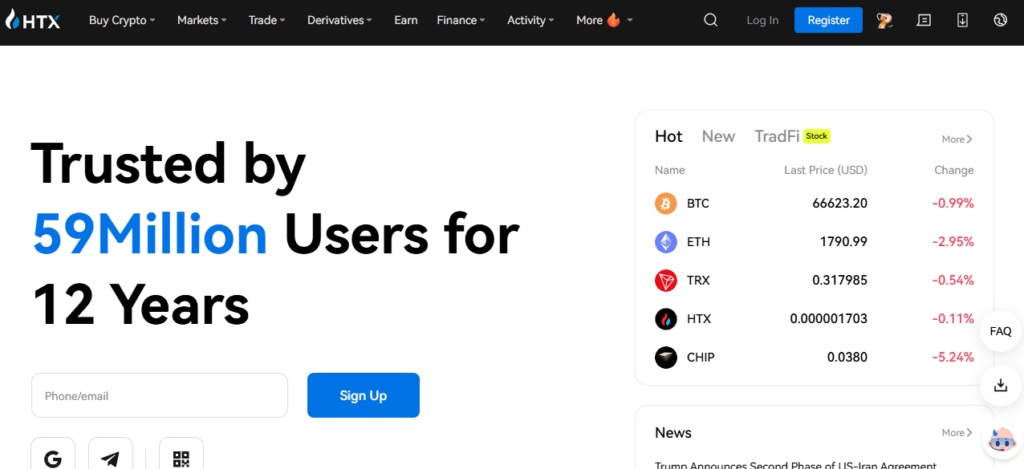
The hybrid system of HTX offers clients the best of both centralised and decentralised trading. HTX is designed to facilitate active and large trading.
HTX (Huobi) Pros & Cons
Pros
- AI Global trading optimisation with liquidity
- Good trading for Institutions
- High speed with a good range of markets
Cons
- Many areas of the world have poor regulation
- Poor brand image with rebranding (Huobi → HTX)
- Poor brand image with a lot of rebranding
- Declining confidence in some markets
9. Bitfinex
Bitfinex offers an AI-enhanced trading engine that reduces slippage and improves order routing, trading liquidity and depth. Bitfinex is a trade execution platform designed for active traders
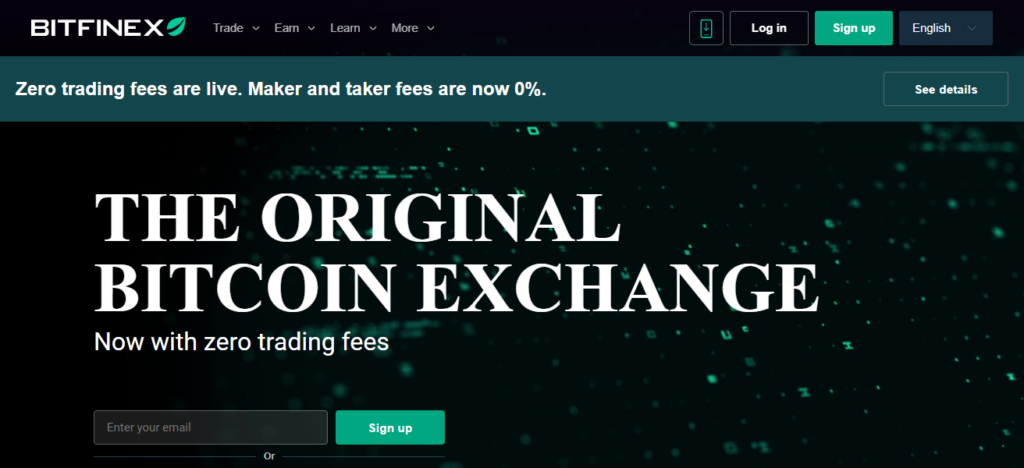
Professionals and Institutional Traders. Bitfinex offers a hybrid execution model catering to algorithmic trading and deep trading strategies.
Bitfinex Pros & Cons
Pros
- Streamlined, AI-based, liquidity management
- Enhanced liquidity for professional users
- Excellent support for algorithmic trading
- Transactions for large trades experience low slippage
Cons
- Complex interface for beginners
- Controversial regulatory history
- Infrequent fiat trade options
10. dYdX
dYdX uses innovative routing algorithms to link cross-chain liquidity. dYdX is a hybrid, decentralised exchange, and employs an AI-facilitated system to optimise trade efficiency while keeping users’ assets fully self-custodied.
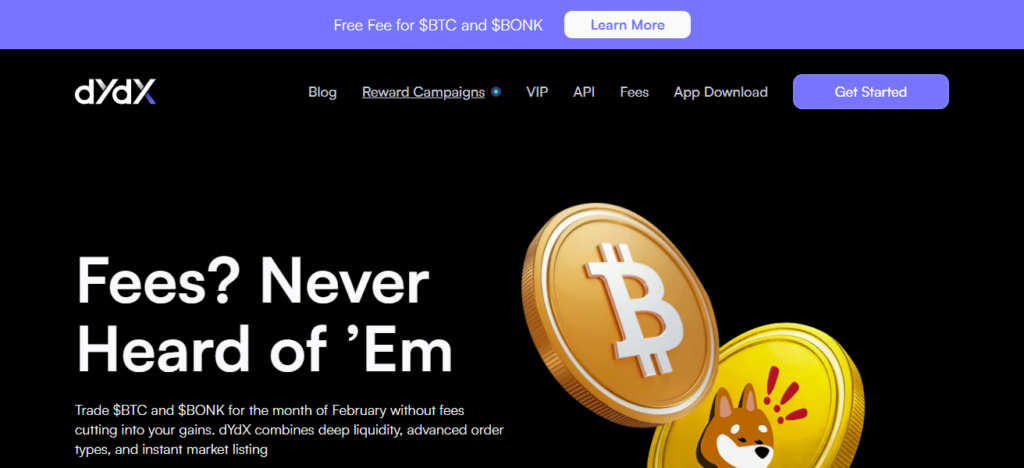
dYdX specialises in high-speed derivatives trading that is even competitive with centralised exchanges. dYdX employs Layer-2 scaling, which helps with latency and gas fees, making dYdX a formidable option for decentralized, high-frequency trading.
dYdX Pros & Cons
Pros
- Completely decentralised, AI-routed trading
- Layer-2 tech for immediate trade execution
- Low gas fees with rapid transaction speed
- Self-custody with strong privacy
Cons
- Scarce options for spot trading
- Steep learning for novice DeFi
- Lower liquidity vs centralised exchanges
- Relies on the blockchains for network speed
Conclusion
In conclusion, AI-powered hybrid crypto exchanges are dramatic in their impact on trading thanks to features that include microsecond smart order routing, deep liquidity aggregation, and predictive execution.
Leading players in this field include Binance, OKX, and Bybit, but decentralised options, such as dYdX, will shape the future of trustless trading.
FAQ
Binance and OKX are currently leaders in AI-powered trading infrastructure and liquidity optimisation.
Yes, hybrid exchanges offer both centralised speed and decentralised liquidity access, improving execution quality.
Yes, but risks remain due to market volatility and leverage usage
KuCoin and Bitget are more beginner-friendly due to simple interfaces and copy trading features.

