



This article will explore the Top Crypto Exchanges Providing Compliant On-Chain Government Bond Trading. Due to the disruptive nature of blockchain technology to the world of finance, a number of regulated exchanges are offering tokenized government bonds in a way that is safer, more accessible, and more efficient.
We will examine the platforms that lead the way, the features of those platforms, the compliance and safety standards, the benefits, and the reasons these exchanges are becoming significant players in the faster-evolving digital bond marketplace.
Key Poinst & Best Crypto Exchanges Offering Compliant On-Chain Government Bond Trading
| Crypto Exchange | Explanation |
|---|---|
| Binance | Regulated platform offering tokenized bonds with strong global liquidity. |
| Coinbase | Trusted exchange supporting compliant digital assets and bond trading. |
| Kraken | Secure platform providing regulated blockchain-based investment opportunities globally. |
| Bitfinex Securities | Specializes in tokenized securities, including government bond offerings worldwide. |
| Archax | FCA-regulated exchange enabling compliant tokenized government bond investments. |
| INX | Regulated marketplace supporting blockchain securities and government bond trading. |
| LCX | Liechtenstein-regulated exchange offering compliant tokenized asset investment solutions. |
| MERJ Exchange | Licensed digital securities exchange supporting tokenized government bond markets. |
| SBI Digital Markets | An institutional-grade platform facilitating regulated on-chain bond investments securely. |
| DigiFT | Singapore-regulated exchange offering blockchain-based government bond trading services. |
10 Best Crypto Exchanges Offering Compliant On-Chain Government Bond Trading
1. Binance
Aside from cryptocurrency trading, Binance also funds tokenized real-world assets, such as government-backed securities, through partnerships with regulated firms.
With its high liquidity, excellent trading systems, and extensive global operations, Binance is an excellent choice for investors wanting to trade blockchain-based fixed-income securities.
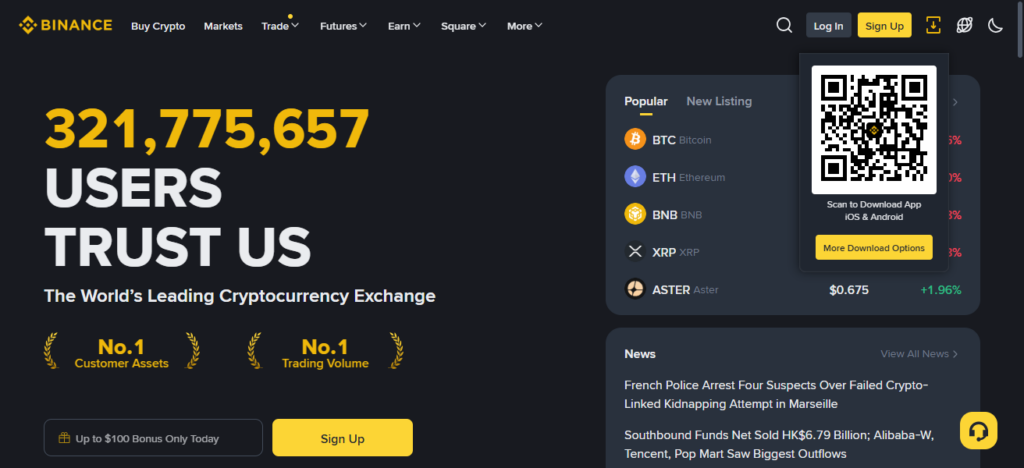
Binance is always looking for ways to be compliant with the tokenization frameworks in order to link traditional finance with compliant decentralized markets.
With its strong ecosystem of custody and staking, Binance is the best option for investors wanting access to on-chain government product securities.
Binance Pros & Cons
Pros
- Tokenized bond trading is efficient due to high liquidity.
- Large user base enhances market participation.
- Professional traders benefit from advanced trading tools.
- Custody and staking services complement the trading platform.
- Supports numerous blockchain networks and assets.
- Focuses on innovating the tokenization of real-world assets.
Cons
- Faces regulatory hurdles in multiple regions.
- Tokenized bonds are offered in select regions.
- Complex for novice traders.
- May result in restricted access.
- Policies affecting offered services are inconsistent.
- Limited offerings of government bonds compared to the traditional market.
2. Coinbase
As one of the most trusted digital asset platforms, Coinbase focuses on government bond tokenization and provides a compliant infrastructure. Coinbase’s regulated structure allows it to be a major player for fixed-income payment solutions.
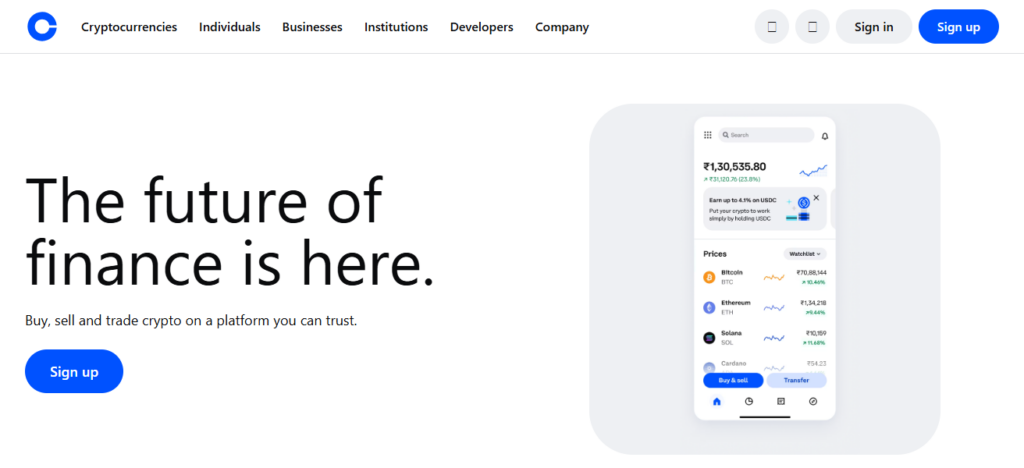
Coinbase focuses on transparency and secure custody while implementing the newest financial regulations. With the compliance of traditional bond markets, Coinbase is the best platform to trade government securities for clients looking for a regulated service.
Coinbase Pros & Cons
Pros
- Highly regarded for being regulatory compliant.
- Simplistic platform design for novice traders.
- High standards of security and custody.
- Worldwide institutional trust.
- Increased support for tokenized assets.
Cons
- More expensive trading costs.
- Limited service in several regions.
- Simplistic trading design limits advanced features.
- Not as extensive a token selection compared to Binance.
- The tokenized bond market is in an early stage.
- Institutional products may have eligibility requirements.
3. Kraken
Kraken has gained a favorable standing for its focus on client security and institutional compliance. For traders wanting to interact with tokenized government bonds, Kraken offers a secure trading environment and excellent systems.
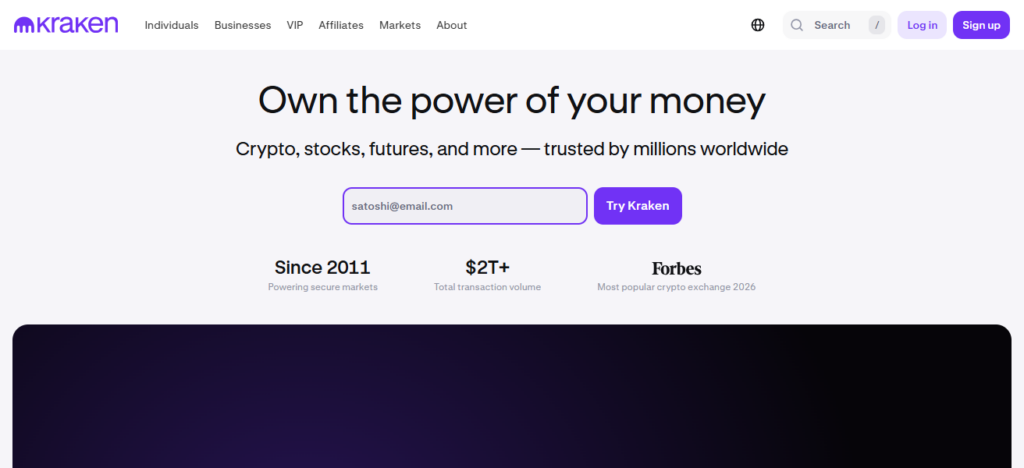
Kraken’s goal of integrating financial systems with digital ecosystems is an important goal for the tokenized securities systems and on-chain bond markets.
Kraken Pros & Cons
Pros
- High standards for security and risk management.
- Regulatory focus in all jurisdictions.
- A reliable platform with institutional support.
- Advanced trading features.
- Enhanced competition for trading.
- Offers an increasing range of blockchain-based financial products.
Cons
- Limited tokenized bond offerings.
- Geographically restricted services.
- Complex for novice traders.
- Lower liquidity compared to Binance.
- Regulatory concerns create barriers for expansion.
- Limited offerings for tokenized securities.
4. Bitfinex Securities
Tokenized Financial Instruments are Bitfinex Securities’ Specialization and the leading reason for the Trading of Blockchain-Based Government Bonds on the Bitfinex Securities Site.
Bitfinex Securities is Digitizing the Trading of Government Bonds and the Trading of other Forms of Traditional Securities Digitized in Such a Way as to Retain Regulatory and Protective Structures for the Investor.
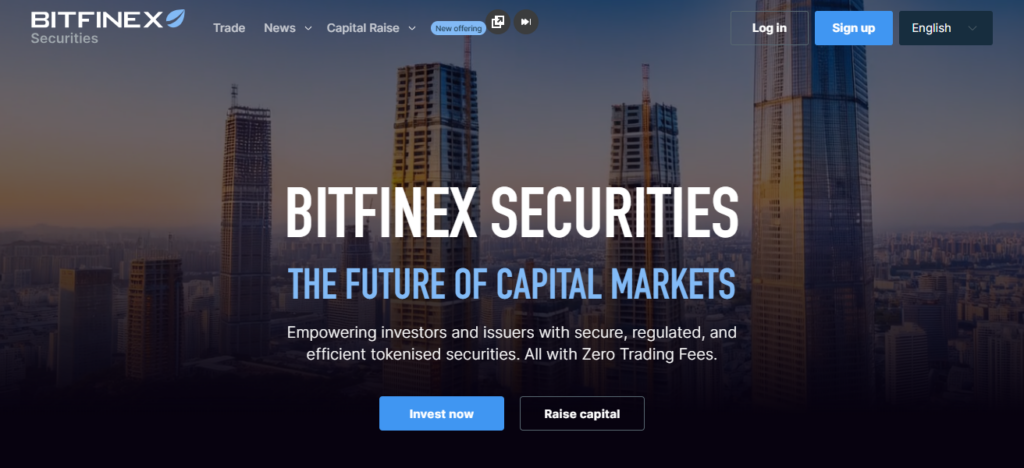
Bitfinex Securities’ Tokenization is Increasing Accessibility, Transparency, and Efficiency for Investors in Government Bonds. Their Dedicated Marketplace for Securities has Been Designed to be a Marketplace
for the Issuance and Trading of Compliant Assets and assists Governments, Institutions, and Investors in accessing the Capital Market at the Cutting Edge of Technology.
Bitfinex Securities Pros & Cons
Pros
- Specialized venue for tokenized securities.
- Commitment to compliant asset issuance.
- Facilitates bond tokenization initiatives.
- Blockchain increases project transparency.
- Robust infrastructure catering to institutions.
- Digital securities trading is efficient.
Cons
- Limited number of users.
- Restricted access areas.
- Lower liquidity in some securities.
- Time-consuming onboarding.
- Limited investment tools for retail.
- Regulatory access limitations may apply.
5. Archax
Archax is a UK-based FCA-regulated Digital Asset Exchange, providing it with Significant Credibility in a Field that is Often Criticized for Being Unregulated.
Their Platform Actively Supports the Trading of all Forms of Tokenized Real-World Assets, Including Government and Institutional Bonds. Because Archax Incorporates all the Standards and Practices of Traditional Financial Markets within the Framework of Financial Technology,
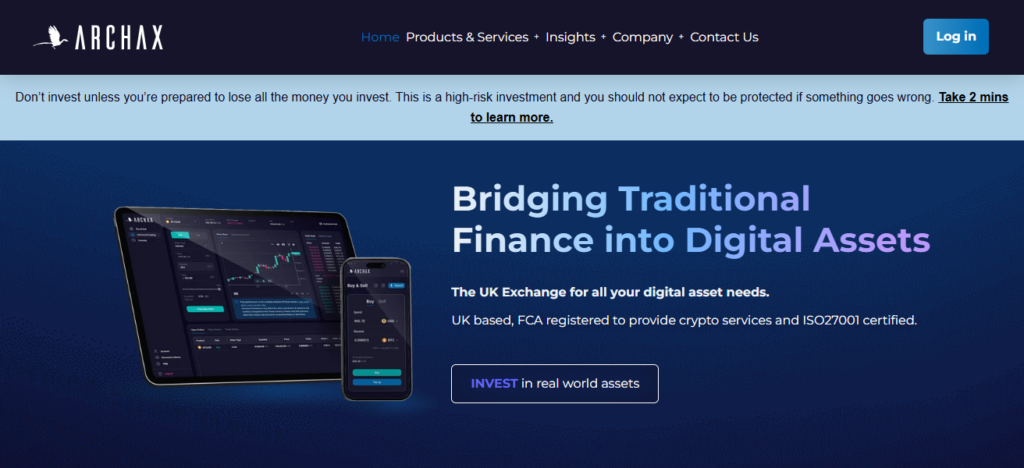
A Secure and Compliant Environment for the Trading of Institutional Bonds has been established. The Combination of all of these Factors has placed Archax among the Leading Platforms for the Trading of Government Bonds on the Blockchain.
Archax Pros & Cons
Pros
- FCA regulation increases trust for investors.
- Strong focus on institutional clients.
- Supports tokenized real-world assets.
- High standards of compliance and governance.
- Connects traditional finance with blockchain.
- Professional trading environment.
Cons
- Primarily built for institutions.
- Limited participation from retail clients.
- Low trading volumes.
- Fewer digital assets listed.
- May have geographic limitations.
- High compliance standards.
6. INX
The emphasis on Compliance, Transparency, and Protection of Investors has positioned INX’s Platform to Directly Trade On-Chain Government Bond Offerings. INX has integrated a Regulatory Framework for the Trading of Securities with Financial Technology on the Blockchain.
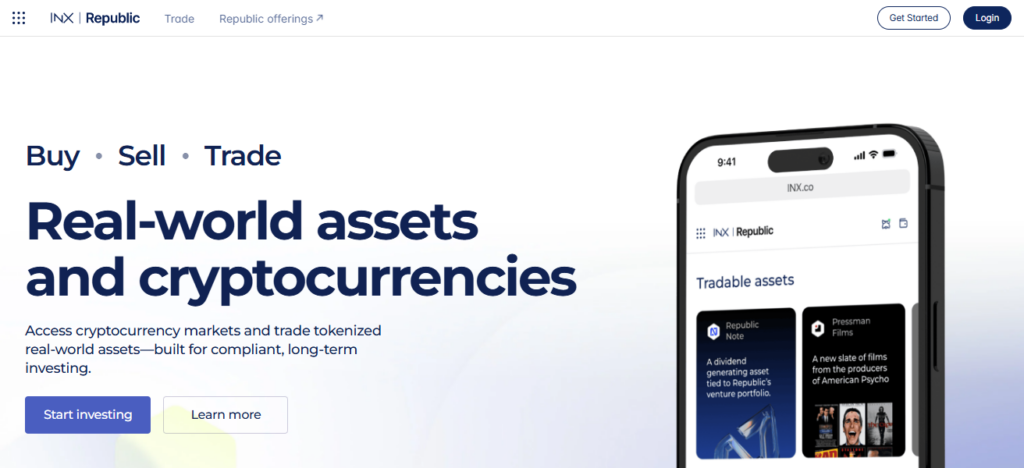
This Integration has the Potential to disrupt the Current Trading Landscape for Government Bonds. The Combination of all of these Factors has placed INX among the Leading Platforms for the Trading of Government Bonds on the Blockchain.
INX Pros & Cons
Pros
- Fully regulated platform for digital securities.
- Strong focus on providing security and trust.
- Focus on compliant security tokens.
- Environment of trade transparency.
- Tokenization of real-world assets.
- Designed for institutions.
Cons
- Limited liquidity compared to major exchanges.
- Reduced the number of assets.
- Complicated onboarding due to compliance.
- Varying results from jurisdiction.
- Lower global brand recognition.
7. LCX
In Liechtenstein, LCX works under one of Europe’s most advanced blockchain regulatory frameworks. The exchange offers compliant digital asset services, such as tokenized securities and real-world assets.
With the growing interest in blockchain-based government bonds, LCX offers investors a safe and compliant environment to access new financial services.
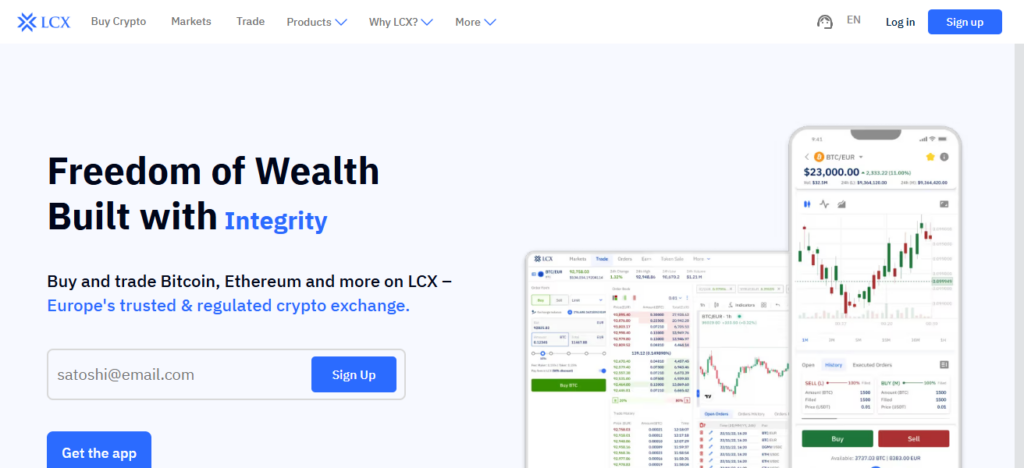
With the legal assurance, transparency, and the necessary infrastructure, LCX strengthens its role as a trusted platform for on-chain government bonds and digital securities.
LCX Pros & Cons
Pros
- Operates under future-focused European regulations.
- Strong emphasis of legal compliance.
- Supports trading of tokenized securities.
- Safe, compliant, and fully operational infrastructure.
- Develops digital assets.
- Focus on transparent operations.
Cons
- Heightened competition due to regional exchanges.
- Intense competition due to lower trading volumes.
- Regulation affects tokenized bond offerings.
- Limited institutional involvement.
- Restricted global presence.
8. MERJ Exchange
Operating a digital securities market that combines a licensed exchange with the use of a regulated distributed ledger, MERJ Exchange supports the issuance and trading of tokenized financial securities and government securities.
With a focus on regulatory compliance, MERJ’s model offers the benefits of transparency in settlement that the distributed ledger technology provides.
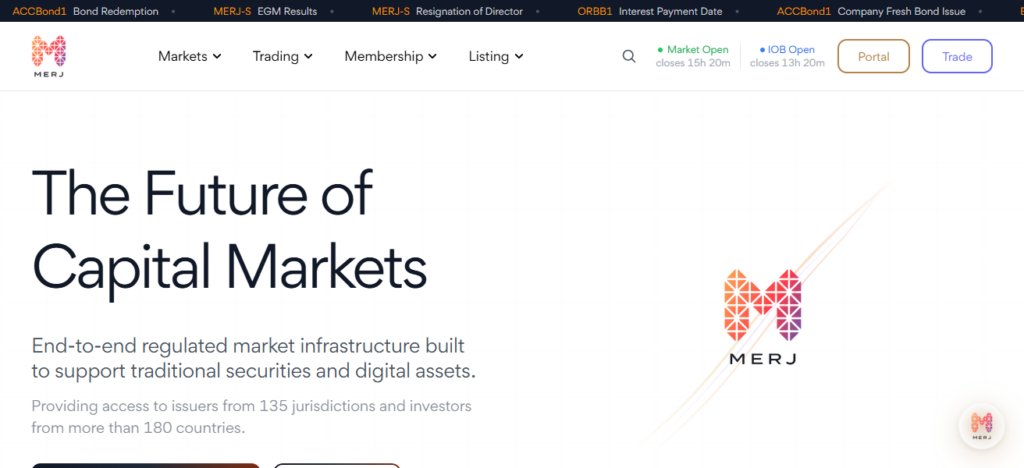
MERJ Exchange has been recognized for enabling timely cross-border investments and an advanced capital market. A regulated marketplace for digital government securities offers investors access to tokenized government bonds.
MERJ Exchange Pros & Cons
Pros
- Licensed exchange for digital securities.
- Encourages cross-border investments.
- Bridged traditional and blockchain finance.
- Transparent with efficient settlement.
- Emphasis on tokenized financial securities.
- Positive and robust regulatory environment.
Cons
- Other regulated exchanges are in competition.
- Limited retail awareness.
- Fewer securities are offered.
- Trading and investment limitations.
9. SBI Digital Markets
SBI Digital Markets, drawing from the financial expertise of the SBI Group, structures and provides institutional digital asset offerings. The platform focuses on the regulated tokenization of government-backed securities, including fixed-income securities.
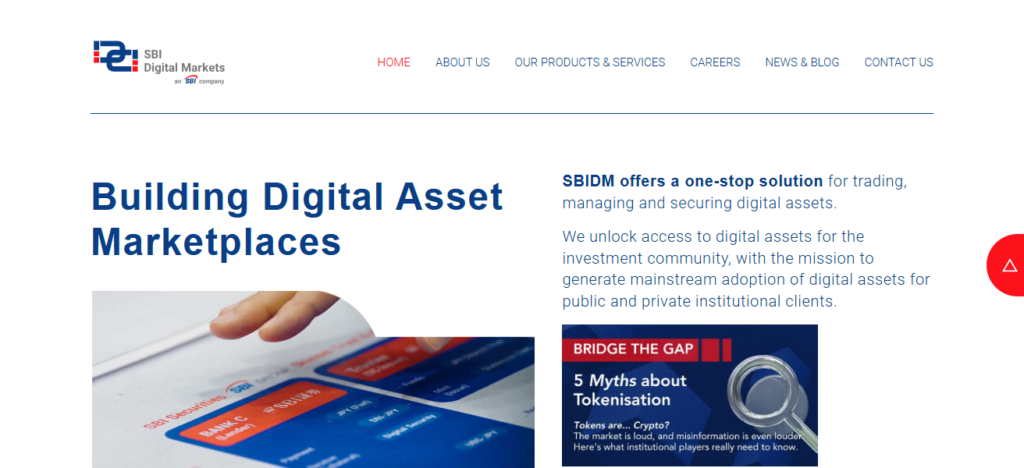
SBI Digital Markets provides safe and efficient access to tokenized bond investments. Its compliance-oriented methodology and active presence in the digital securities arena make SBI Digital Markets a vital player in the burgeoning compliant on-chain trading of government bonds.
SBI Digital Markets Pros & Cons
Pros
- Backed by a prominent financial institution.
- Strong institutional investor network.
- Compliance-focused with a good reputation.
- Expertise in bonds.
- Regulated and supports tokenization.
- High credibility in Asian markets.
Cons
- Targeted mainly at institutions.
- Limited retail access.
- Bond offerings are limited.
- The trading ecosystem is small.
- Limited markets with low visibility.
10. DigiFT
DigiFT is based in Singapore and is a regulated digital asset exchange focused on tokenized real-world assets and financial products. DigiFT has attracted some attention for offering compliant blockchain-based investment products, including some fixed-income products.
Through smart contracts and the use of regulated trading, DigiFT is able to build a platform that is more transparent and efficient, and makes it easier to participate in the market.
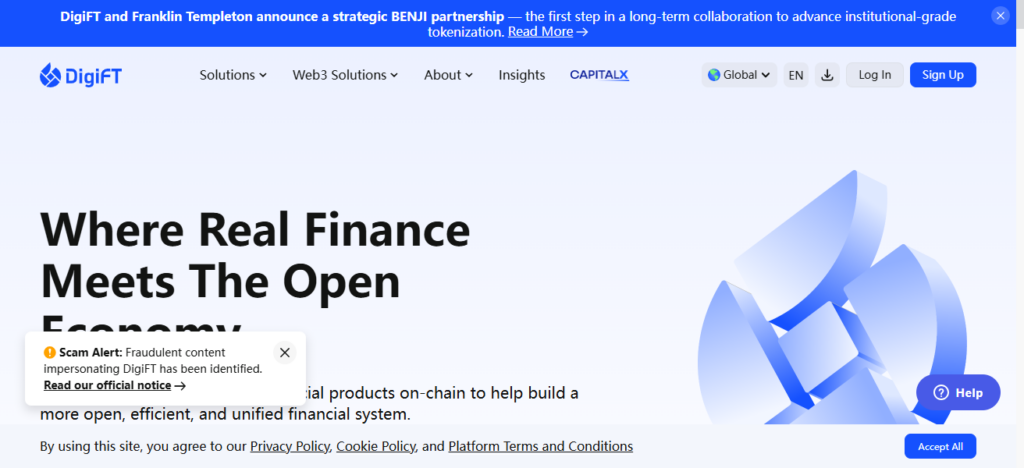
DigiFT has made a lot of effort to bridge the world’s traditional capital markets with decentralized technology, and that has also made it a strong competitor in the space of tokenized government bonds. For a lot of people, DigiFT is becoming the most innovative and most trustworthy marketplace to trade regulated on-chain bonds.
DigiFT Pros & Cons
Pros
- Regulated by Singapore authorities.
- Specialized in tokenization of real-world assets.
- Strong compliance.
- Transparent with efficient trading.
- Focus on tokenized fixed-income.
- Smart contract trading.
Cons
- Relatively new with limited range.
- Smaller trading community.
- Less liquidity.
- Restricted in some areas.
- Limited offerings.
Conclusion
In conclusion, compliant on-chain government bond trading is rapidly changing the future of compliant investing by integrating the safety of traditional, regulated fixed-income assets with the added efficiency and transparency of blockchain technology.
Digital exchanges (i.e., Binance, Coinbase, Kraken, Archax, INX, and DigiFT) are pioneering this compliant investing evolution with regulatory compliance, controlled tokenized securities offerings, and integration of on-chain, government bonds. As time passes, it can be anticipated that the future of digital bond trading markets will be greatly impacted by these exchanges.
FAQ
Yes. Most compliant tokenized government bond offerings operate under financial regulations and securities laws within their respective jurisdictions.
Archax, SBI Digital Markets, and INX are particularly popular among institutional investors due to their strong regulatory frameworks and professional services.
It depends on the platform and local regulations. Some exchanges allow retail participation, while others focus exclusively on accredited or institutional investors.
Benefits include faster settlement, fractional ownership, improved transparency, lower operational costs, and enhanced market accessibility.

