



While Osmosis holds its place as the preeminent decentralized exchange in the Cosmos ecosystem, there are a number of alternatives with their own distinctive cross-chain and liquidity offerings. The following article takes a look at the best of those Osmosis competitors within the Cosmos sphere.
I will be covering such names as Astroport, Crescent DEX, Kujira, Astrovault and OraiDEX, as well as the Injective Protocol (Helix), Canto DEX, and Gravity DEX. Also included are the native DEXs from Sei Network and those built on Evmos. For each, I will point out what sets them apart and where they have an edge over the rest.
Key Points & Best Osmosis Competitors for Cosmos Ecosystem
- Astroport – Delivers efficient swaps, liquidity pools, and multi-chain DeFi functionality.
- Crescent DEX – Offers capital-efficient trading, liquidity incentives, and Cosmos interoperability.
- Injective Protocol (Helix) – Provides decentralized order-book trading with advanced derivatives market features.
- Kujira (Fin/Bow) – Focuses on sustainable DeFi, auctions, liquidity, and trading.
- Astrovault – Combines yield optimization, liquidity management, and decentralized trading.
- OraiDEX – Enables AI-powered DeFi services, swaps, and cross-chain transactions.
- Canto DEX – Supports permissionless trading with community-driven decentralized finance tools.
- Sei Network Native DEXs – Deliver high-speed trading optimized for decentralized exchange performance.
- Evmos-based DEXs – Offer Ethereum-compatible trading while leveraging Cosmos interoperability benefits.
- Gravity DEX – Facilitates decentralized token swaps and liquidity pools across Cosmos.
10 Best Osmosis Competitors for Cosmos Ecosystem
1. Astroport
As one of the preeminent DEXs in the Cosmos ecosystem, Astroport is recognized for its flexible approach to liquidity and the efficiency of its token swaps. The platform’s reach extends across several Cosmos chains, where active providers underpin the TVL and trading volume. By way of constant-product and stable-swap models, a broad spectrum of Cosmos assets are supported.
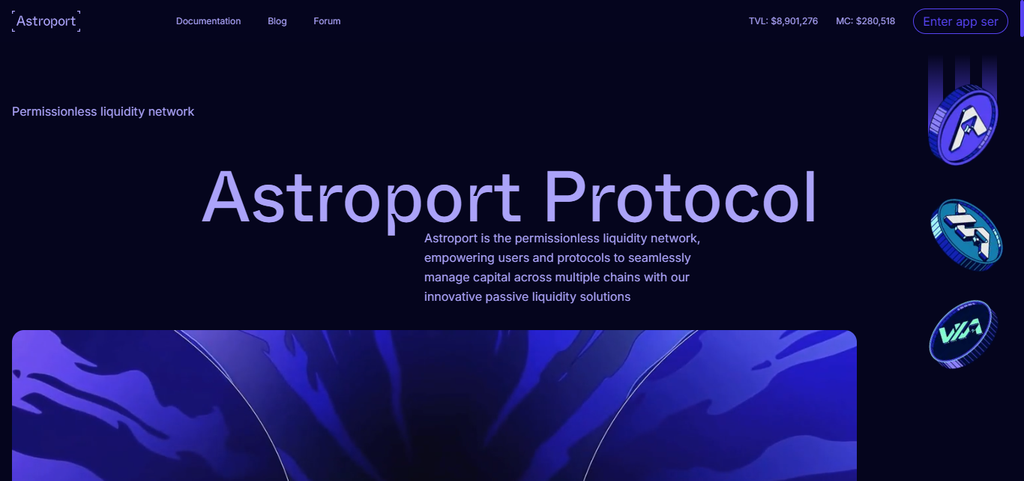
Users will find streamlined trading and smart routing among the key offerings, as well as liquidity incentives. With fees set at competitive levels to foster sustainable growth, and IBC connectivity for moving assets cross-chain, the platform is well rounded. Governance is a matter for its token model; what sets it apart from Osmosis is the emphasis on pool structures that can be customized.
Astroport Features
- Efficient Token Swaps: Enables users to exchange tokens through decentralized liquidity pools with a streamlined trading experience.
- Liquidity Pools: Users can provide assets to liquidity pools and participate in the platform’s decentralized liquidity ecosystem.
- Multi-Chain Support: Supports DeFi activity across multiple blockchain environments, expanding access to different assets and markets.
- DeFi Functionality: Combines swapping and liquidity features to provide a broader decentralized finance experience.
| Pros | Cons |
|---|---|
| Multiple liquidity pool models available | Primarily focused on Cosmos ecosystem |
| Strong cross-chain interoperability via IBC | Smaller asset selection than major global DEXs |
| User-friendly swapping interface | Lower liquidity for niche tokens |
| Competitive trading fees | Limited appeal outside Cosmos users |
| Active liquidity incentive programs | Faces strong competition from Osmosis |
2. Crescent DEX
Built on Cosmos, the Crescent DEX is a decentralized exchange put in place to see better capital efficiency and make more of available liquidity. The ecosystem has seen its TVL and trading volume expand across interoperable assets. For the user, the model offers a mix of swaps, yield generation and liquidity farming.
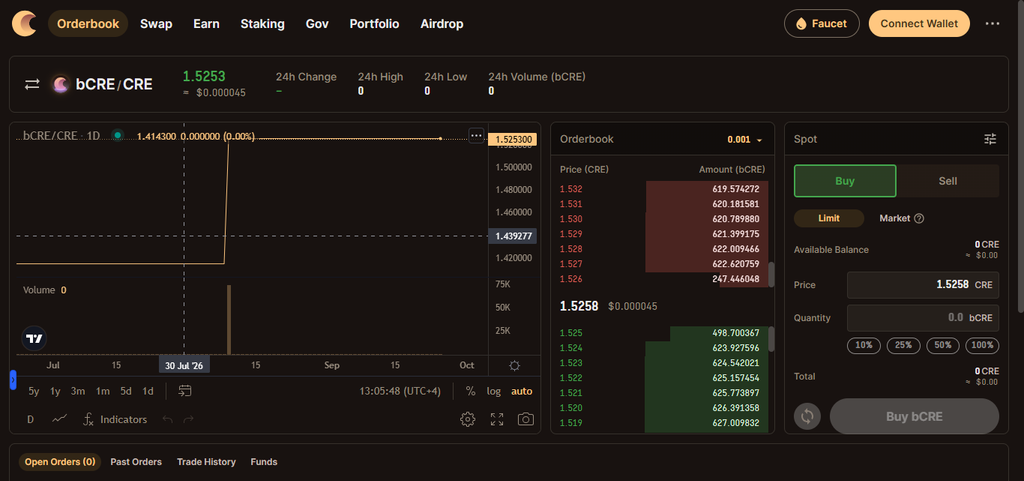
There are integrated DeFi tools and enhanced mechanisms for liquidity, all while keeping trading fees in check to draw in participants. IBC allows for access to assets on a number of chains. While governance is token-driven, the main point of divergence with Osmosis is Crescent’s stronger hand in managing capital-efficient liquidity.
Crescent DEX Features
- Capital-Efficient Trading: Designed to make better use of available liquidity and support efficient decentralized trading.
- Liquidity Incentives: Provides mechanisms that encourage users to contribute liquidity to supported markets.
- Cosmos Interoperability: Connects with the broader Cosmos ecosystem, supporting interaction between compatible blockchain networks.
- DeFi Markets: Gives users access to decentralized trading and liquidity-focused financial applications.
| Pros | Cons |
|---|---|
| Capital-efficient liquidity design | Smaller user base than leading DEXs |
| Integrated yield opportunities | Limited ecosystem adoption |
| Cosmos-native interoperability | Lower trading volume on some pairs |
| Multiple DeFi utilities in one platform | Fewer assets than larger exchanges |
| Efficient liquidity utilization | Less brand recognition |
3. Injective Protocol (Helix)
Helix, the exchange from Injective Protocol, puts a professional spin on trading within the Cosmos sphere. It caters to cross-chain markets and a variety of assets with an order-book model for spot and derivatives, which is a departure from the AMM standard of other DEXs. One finds low-latency execution, advanced tools and perpetual contracts here.
Fees are in line with what active traders expect. IBC is used to widen asset availability and the INJ token is the instrument of governance. In contrast to Osmosis, Helix is more concerned with institutional-style order book trading than with liquidity-pool swaps.
Injective Protocol (Helix) Features
- Decentralized Order Books: Uses an on-chain order-book model that allows users to place and manage trading orders without a centralized intermediary.
- Advanced Trading: Supports more sophisticated trading strategies through a range of decentralized market features.
- Derivatives Markets: Provides infrastructure for decentralized derivatives trading alongside spot markets.
- Cosmos Ecosystem: Benefits from Injective’s Cosmos-based architecture and interoperability capabilities.
| Pros | Cons |
|---|---|
| Advanced order-book trading | More complex for beginners |
| Supports spot and derivatives markets | Professional features may overwhelm casual users |
| High-speed trade execution | Lower liquidity in some niche markets |
| Cross-chain asset accessibility | Trading interface has learning curve |
| Suitable for active traders | Less focused on simple AMM swaps |
4. Kujira (Fin/Bow)
With its Fin trading arm and Bow for liquidity, Kujira presents a DeFi ecosystem built for sustainability. Activity on the platform is driven by user engagement and the assets on offer. The trading side of things marries order-book functions with the tools needed for liquidity management, providing for transparent trade and efficient use of capital.
Fees are put in place with long-term viability in mind. KUJI is central to governance and via IBC one can tap into the wider Cosmos liquidity. Where Osmosis might lean on incentives, Kujira is more intent on generating revenue in a sustainable fashion.
Kujira (Fin/Bow) Features
- Sustainable DeFi: Focuses on practical decentralized finance products designed around efficient capital use and sustainable participation.
- Token Auctions: Provides auction-based mechanisms that can support liquidations and other DeFi market activities.
- Liquidity Management: Helps users interact with liquidity-focused markets and decentralized financial products.
- Trading Tools: Offers decentralized trading functionality through products within the Kujira ecosystem.
| Pros | Cons |
|---|---|
| Sustainable revenue-focused model | Smaller liquidity compared to major DEXs |
| Transparent order-book trading | Limited token selection |
| Strong ecosystem products | Lower trading activity on some pairs |
| Reduced dependence on incentives | Cosmos-centric reach |
| Community-driven governance | Less exposure than top DeFi protocols |
5. Astrovault
A DEX with a focus on Cosmos, Astrovault pairs decentralized trading with some yield optimization. Its vaults and automated earning options are what drive TVL in the ecosystem. The platform handles numerous assets through its pools and vault strategies, with features for portfolio management and yield enhancement.
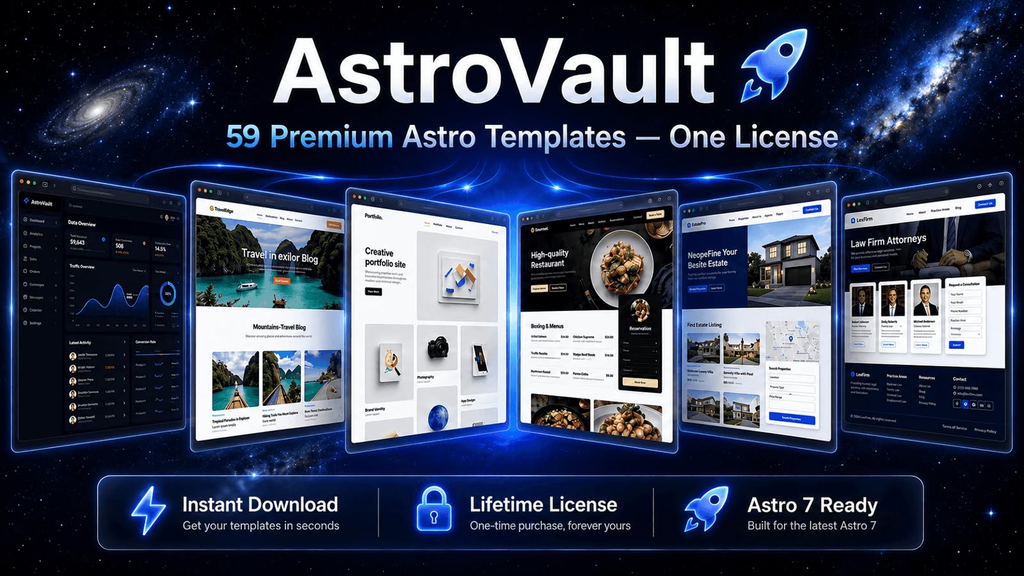
Fee structure is a compromise between the interests of the trader and the provider. IBC is in place for network access and tokens enable participation in governance. The difference with Osmosis is that Astrovault gives more weight to the automated side of yield generation.
Astrovault Features
- Yield Optimization: Provides tools designed to help users pursue yield opportunities through decentralized liquidity strategies.
- Liquidity Management: Enables users to participate in liquidity pools while managing their DeFi positions.
- Decentralized Trading: Supports token trading without relying on traditional centralized exchange infrastructure.
- Integrated DeFi: Brings trading, liquidity, and yield-oriented functionality together within one ecosystem.
| Pros | Cons |
|---|---|
| Built-in yield optimization features | Smaller ecosystem adoption |
| Automated liquidity management | Limited market liquidity |
| Additional earning opportunities | Fewer trading pairs available |
| Cosmos ecosystem integration | Less recognized brand |
| Suitable for passive DeFi users | Faces competition from mature DEXs |
6. OraiDEX
Operating in the Cosmos space, OraiDEX brings together decentralized trading and AI-centric blockchain infrastructure. The model is community-led when it comes to liquidity growth and supports cross-chain opportunities. Token swaps and pools are part of the offering, along with staking and other integrations. Fees are kept competitive for all involved.
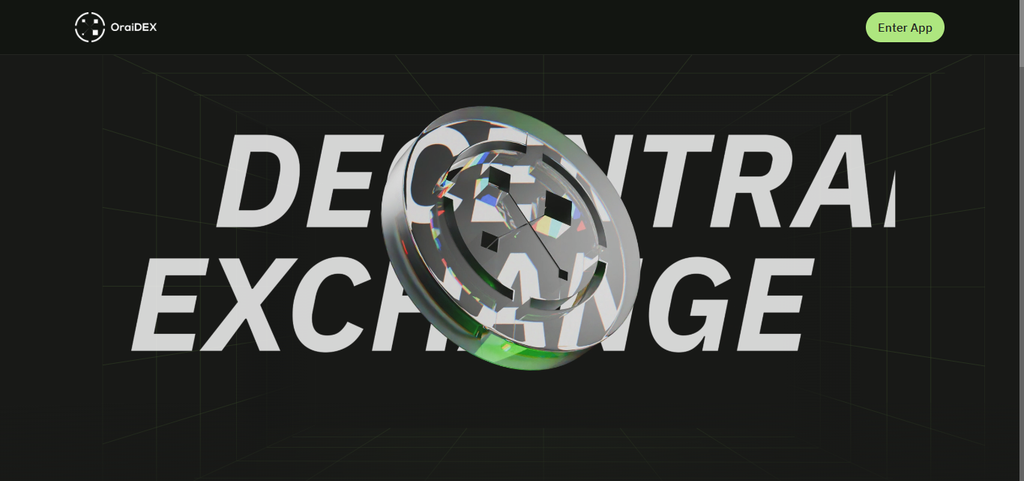
IBC makes for easy movement between chains and governance is in the hands of the ecosystem’s tokens. OraiDEX is distinguished from Osmosis by a deeper tie-in with applications oriented toward AI.
OraiDEX Features
- AI-Powered DeFi: Connects decentralized finance with Oraichain’s AI-focused blockchain infrastructure and services.
- Token Swaps: Allows users to exchange supported digital assets through decentralized trading functionality.
- Cross-Chain Transactions: Supports asset movement and interactions between compatible blockchain ecosystems.
- Cosmos Connectivity: Leverages Cosmos-related interoperability to expand access to assets and decentralized applications.
| Pros | Cons |
|---|---|
| AI-focused blockchain integration | Relatively niche user base |
| Cross-chain trading support | Limited liquidity depth |
| Multiple DeFi services available | Lower trading activity than major rivals |
| Cosmos ecosystem compatibility | Smaller ecosystem size |
| User-friendly token swaps | AI-focused approach may not appeal to all users |
7. Canto DEX
The Canto DEX is about making DeFi accessible and permissionless within the Canto ecosystem. Trading volume is a function of the digital assets supported and the community’s liquidity. Pools are set up to be as efficient as possible for asset exchange.
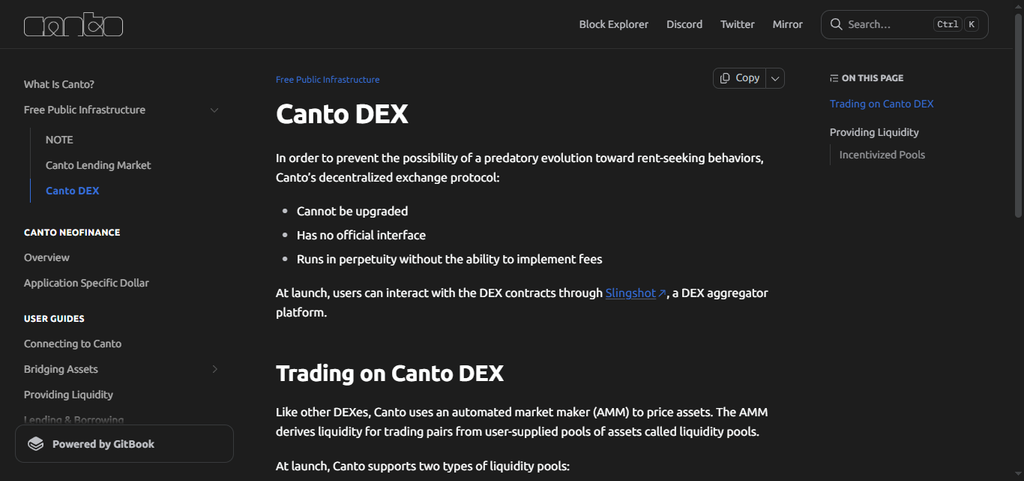
The features are straightforward: open access, some liquidity incentives and simple DeFi functionality. Fees are on the lower end to spur adoption. Cross-chain work is part of the package and governance is left to the community. Simplicity of the ecosystem is where Canto DEX differs from Osmosis.
Canto DEX Features
- Permissionless Trading: Allows users to access decentralized markets without requiring traditional centralized account approval.
- Community-Driven DeFi: Emphasizes community participation in the development and use of decentralized financial applications.
- Liquidity Provision: Supports liquidity-based trading markets where users can contribute assets to decentralized pools.
- Open Ecosystem: Operates within the broader Canto blockchain environment, supporting permissionless DeFi experimentation.
| Pros | Cons |
|---|---|
| Permissionless trading environment | Ecosystem growth remains limited |
| Community-focused development | Smaller liquidity pools |
| Low-cost DeFi access | Fewer supported assets |
| Simple trading experience | Less cross-chain reach |
| Open participation model | Lower adoption than established competitors |
8. Sei Network Native DEXs
These are DEXs on a blockchain made for performance. The Sei Network ecosystem is seeing rising volume and liquidity in assets suited to high-frequency work. Speed and scalability are the hallmarks of the trading and liquidity model, with infrastructure to match.

One gets rapid finality and high throughput. Fees are optimized for those who are active in the market. Sei mechanisms handle governance. Put simply, compared to Osmosis, a Sei-based DEX is all about the speed of execution.
Sei Network Native DEXs Features
- High-Speed Trading: Sei’s infrastructure is designed to support fast transaction processing for trading-focused applications.
- Trading Optimization: The network architecture emphasizes performance for decentralized exchange and market activity.
- Low-Latency Infrastructure: Faster transaction handling can help improve the experience for active decentralized traders.
- DeFi Integration: Native trading applications can interact with other DeFi services within the Sei ecosystem.
| Pros | Cons |
|---|---|
| Optimized for high-speed trading | Ecosystem still developing |
| Fast transaction finality | Limited maturity compared with larger networks |
| High scalability potential | Asset variety can be lower |
| Designed specifically for exchanges | Liquidity varies by platform |
| Strong trading infrastructure | Dependence on Sei ecosystem growth |
9. Evmos-based DEXs
By being compatible with Ethereum, Evmos DEXs act as a bridge to the EVM while retaining their Cosmos roots. They support the kind of activity and pools familiar to Ethereum users. Smart-contract compatibility and cross-ecosystem access are standard.
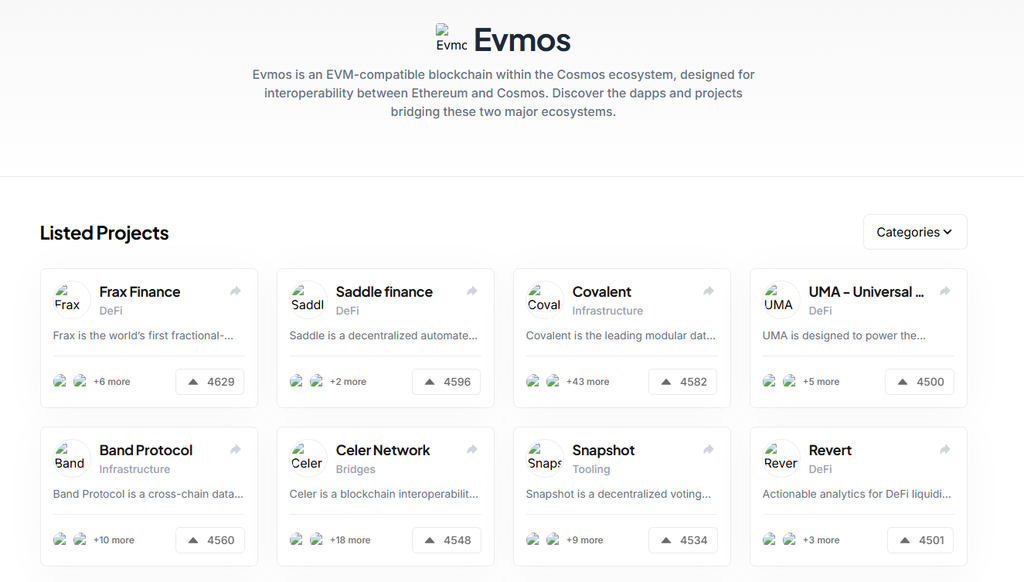
Fees are competitive if they do vary from one protocol to another. IBC sees to it that there is no friction in moving around the Cosmos chains. Governance is a token affair. The emphasis here is on Ethereum app compatibility in a way that Osmosis does not provide.
Evmos-Based DEXs Features
- Ethereum Compatibility: Evmos-based decentralized exchanges can support Ethereum-compatible assets and smart contracts.
- Cosmos Interoperability: They combine Ethereum Virtual Machine compatibility with connectivity to the Cosmos ecosystem.
- Decentralized Swaps: Users can trade supported tokens through automated liquidity-based exchange mechanisms.
- EVM DeFi Access: Developers can build or deploy Ethereum-compatible DeFi applications while benefiting from Cosmos-based infrastructure.
| Pros | Cons |
|---|---|
| Ethereum-compatible environment | Fragmented liquidity across platforms |
| Access to EVM-based applications | Competitive EVM DEX market |
| Cosmos interoperability benefits | Adoption depends on Evmos ecosystem |
| Familiar experience for Ethereum users | Lower liquidity than major Ethereum DEXs |
| Supports smart contract flexibility | Network activity fluctuations |
10. Gravity DEX
Gravity DEX was put forward as a solution for interchain trading in the Cosmos. It is an automated market-maker at heart, supporting token swaps and native assets in its pools. IBC is the means for seamless transfer between blockchains.
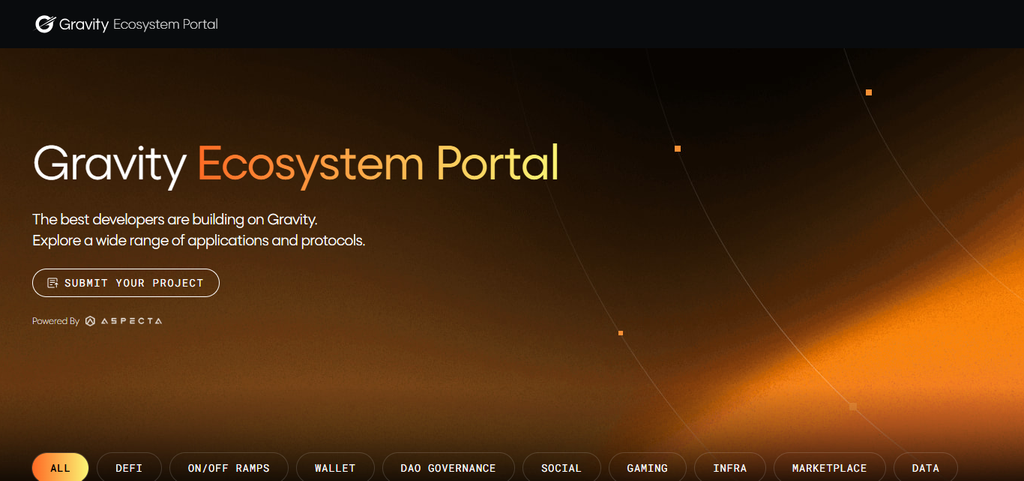
The fee structure is meant to encourage participation from both the network and the providers. Governance is in keeping with how the Cosmos ecosystem operates. The focus of Gravity DEX is on the fundamentals of interchain exchange, unlike Osmosis.
Gravity DEX Features
- Decentralized Swaps: Allows users to exchange supported Cosmos ecosystem tokens without relying on a centralized exchange.
- Liquidity Pools: Uses liquidity pools to facilitate token trading and provide decentralized market liquidity.
- Cosmos Ecosystem: Built for the Cosmos environment, enabling interaction with assets and applications across compatible networks.
- Interchain Trading: Its design supports decentralized trading within the interconnected Cosmos ecosystem.
| Pros | Cons |
|---|---|
| Native Cosmos interchain trading | Lower visibility than Osmosis |
| Strong focus on interoperability | Smaller community engagement |
| Supports Cosmos asset exchanges | Limited advanced trading tools |
| AMM-based liquidity system | Lower liquidity in certain markets |
| Simple decentralized trading model | Fewer ecosystem features than newer competitors |
Conclusion
To sum up, Osmosis is still the preeminent decentralized exchange in the Cosmos ecosystem, yet there are other contenders with their own distinct merits. One will find that platforms like Astroport, Kujira, Crescent DEX and the Injective Protocol (Helix) have much to offer in the way of specialized trading, cross-chain functionality and liquidity.
The right choice of an alternative comes down to a number of considerations: how well it fits into the wider Cosmos ecosystem, its governance model, the assets and liquidity on hand, and ultimately the user’s preferred style of trading.
FAQ
The leading Osmosis competitors include Astroport, Crescent DEX, Injective Protocol (Helix), Kujira, Astrovault, OraiDEX, Canto DEX, Sei Network native DEXs, Evmos-based DEXs, and Gravity DEX, each offering unique trading and liquidity features.
Users explore alternatives to Osmosis for different trading models, lower fees, specialized liquidity solutions, advanced features, cross-chain capabilities, and access to ecosystems that better align with their investment or DeFi strategies.
Injective Protocol (Helix) is often preferred by advanced traders because it offers an order-book trading model, derivatives markets, perpetual contracts, high-speed execution, and professional-grade trading tools unavailable on many AMM-based exchanges.
Most leading competitors support interchain functionality, but Astroport, Gravity DEX, Crescent DEX, and OraiDEX stand out for leveraging Cosmos IBC technology to facilitate seamless asset transfers and trading across multiple blockchain networks.

