


I will compare top cryptocurrency exchanges based on trading volume, liquidity, listed coins, trading fees, and regional market presence in order to examine the Best Bithumb Alternatives for Asian Altcoin Volume.
For Asian traders looking for trustworthy substitutes for Bithumb, you will learn which platforms provide superior altcoin trading chances, deeper order books, competitive costs, and a wider assortment of cryptocurrencies.
How To Pick the Best Substitute for Bithumb
- Compare Actual Spot Trading Volume: To find exchanges with steady trading activity and liquidity, look at daily spot volume.
- Examine Order-Book Depth and Trading Spreads: To guaranty more seamless execution with less price effect, assess order-book depth and spreads.
- Assess Listed Coins and Trading Pairs: To identify a variety of Asian altcoin chances, compare supported cryptocurrencies and trading pairs.
- Compare Maker and Taker Fees: To reduce trading expenses across numerous transactions, examine maker and taker fees.
- Examine Asian Regional Access and Regulatory Restrictions: Before choosing an exchange, confirm local laws, licensing requirements, and regional access.
- Examine Deposit and Withdrawal Options: Verify accepted payment methods, withdrawal costs, processing durations, and accessible blockchain networks.
Key Points & Best Bithumb Alternatives for Asian Altcoin Volume
| Exchange | Core Regional Strength | Listed Coins | Key Advantage Over Bithumb |
|---|---|---|---|
| Upbit | Dominates South Korean domestic liquidity | 350+ | Market leader in KRW altcoin volume |
| Binance | Global & Southeast Asian dominance | 920+ | Deepest institutional liquidity order books |
| OKX | East Asia & localized fiat channels | 660+ | Advanced retail derivatives & Web3 wallet |
| Bybit | Southeast Asia & retail altcoin derivatives | 830+ | High-leverage liquidity during Asian hours |
| Gate.io | Global / Pan-Asian massive micro-cap selection | 1,760+ | Drastically higher altcoin variety than Bithumb |
| Bitget | East Asia retail copy-trading | 930+ | Heavy volume on speculative meme and alt pairs |
| KuCoin | Global retail “Altcoin Home” platform | 1,030+ | Exceptional coverage of early-stage Asian altcoins |
| MEXC | Global unverified / high-frequency altcoin trading | 1,430+ | Lowest base maker fees and fastest listings |
| HTX | Legacy Chinese & broader Asian retail volume | 830+ | Strong historical roots in regional liquidity |
| LBank | Southeast Asia retail spec-trading | 1,200+ | High volume on micro-caps and emerging tokens |
10 Best Bithumb Alternatives for Asian Altcoin Volume
1. Upbit
For traders aiming at South Korean altcoin markets, Upbit is among the best substitutes for Bithumb. In the most recent CoinMarketCap snapshot, the exchange registered about $584 million in 24-hour spot trading activity and supports about 357 cryptocurrencies. Its robust KRW trading environment, which offers access to both locally traded altcoins and well-known cryptocurrencies, is its main advantage.
While other market categories may have varying fees, standard KRW market fees for maker and taker orders are roughly 0.05%. Upbit is especially well-suited for traders who prioritize domestic trading activity, KRW-denominated cryptocurrency opportunities, and Korean market liquidity.
Upbit Pros & Cons
| Pros | Cons |
|---|---|
| Strong KRW trading liquidity in South Korea. | Limited availability in some international markets. |
| Popular among Korean altcoin traders. | Less extensive global coin selection than Binance. |
| Competitive fees on eligible KRW markets. | Primarily focused on the South Korean market. |
| Direct access to Korean cryptocurrency trading pairs. | Fewer advanced global derivatives options. |
| Strong domestic brand recognition. | Listing availability varies by region. |
2. Binance
For traders looking for significant worldwide liquidity and broad cryptocurrency coverage, Binance is a top substitute for Bithumb. It records about $6.66 billion in 24-hour spot trading activity and supports about 924 coins across 2,216 trading markets. Traders may make huge transactions across major cryptocurrencies and many Asian altcoin pairs thanks to its deep order-book.
For both maker and taker orders, the typical spot trading charge is 0.10%; however, these rates are lowered by qualified BNB discounts. Asian traders seeking significant trading activity, a wide range of coins, competitive execution, and access to global cryptocurrency markets find Binance especially appealing.
Binance Pros & Cons
| Pros | Cons |
|---|---|
| Extensive selection of cryptocurrencies and trading pairs. | Services and products restricted in certain jurisdictions. |
| Deep liquidity across major altcoin markets. | Large platform can be complex for beginners. |
| Competitive standard spot trading fees. | Some smaller altcoins have limited liquidity. |
| Advanced spot and derivatives trading tools. | Listing quality varies across tokens. |
| Strong international market presence. | Verification and compliance requirements may be extensive. |
3. OKX
With its vast cryptocurrency marketplaces, affordable trading costs, and well-established presence among Asian cryptocurrency traders, OKX presents a compelling alternative to Bithumb. The site records about $1.86 billion in spot trading volume in a 24-hour period and lists about 666 cryptocurrencies across 1,890 trading markets.
It is appropriate for traders looking for wider market access due to its liquidity across key digital assets and alternative trading pairs. Regional fee schedules may vary, but standard entry-level spot fees are roughly 0.08% for makers and 0.10% for takers. For traders looking for active international trading markets and varied cryptocurrency exposure, OKX is very helpful.
OKX Pros & Cons
| Pros | Cons |
|---|---|
| Broad selection of altcoins and trading pairs. | Some features are restricted by location. |
| Competitive maker and taker trading fees. | Interface can be complicated for beginners. |
| Advanced derivatives trading options. | Not all altcoins have deep order-book liquidity. |
| Integrated Web3 wallet functionality. | Fiat deposit options differ across countries. |
| Established presence in international markets. | Some advanced tools require additional experience. |
4. Bybit
Another significant substitute for Bithumb is Bybit, especially for Asian traders who are interested in bitcoin derivatives, spot trading, and altcoin marketplaces. The exchange generated almost $1.99 billion in spot trading activity in a 24-hour period and offers about 832 coins across 1,315 markets.
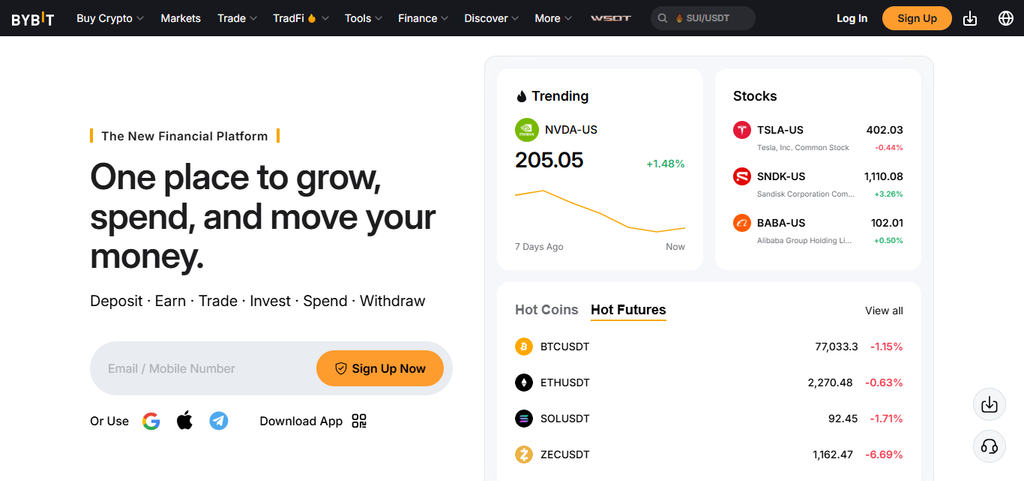
Access to well-known cryptocurrencies and a wide range of alternative digital assets is made possible by its extensive trading environment, and its derivatives markets draw more trading activity. Spot maker and taker costs are normally around 0.10%; qualified VIP tiers offer reduced rates. For traders looking for busy markets, diverse altcoin trading, and access to leveraged cryptocurrency products, Bybit is a competitive choice.
Bybit Pros & Cons
| Pros | Cons |
|---|---|
| Broad selection of spot altcoin markets. | Some products are unavailable in restricted jurisdictions. |
| Strong derivatives trading ecosystem. | High leverage increases liquidation risk. |
| Competitive standard trading fees. | Smaller altcoin pairs can have wider spreads. |
| Advanced trading and risk-management tools. | Platform features may overwhelm beginners. |
| Popular among international retail traders. | Fiat payment methods vary by region. |
5. Gate.io
For traders who value a wide variety of altcoins, new cryptocurrency projects, and smaller-cap trading opportunities, Gate.io is a great substitute for Bithumb. The exchange generated about $1.67 billion in spot trading activity in a 24-hour period and lists about 1,767 cryptocurrencies across 2,473 trading marketplaces.
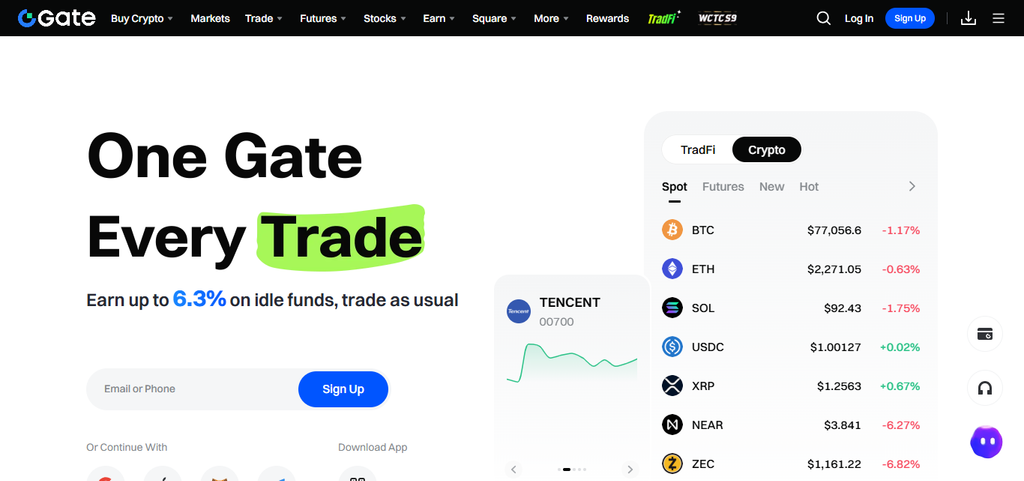
Many early-stage coins and speculative cryptocurrency pairs that might not be accessible on more selective exchanges are accessible through its comprehensive listings. Although specific price schedules and account tiers vary, standard entry-level spot fees for maker and taker orders are roughly 0.10%. For traders looking for more diverse altcoin opportunities and wider cryptocurrency coverage, Gate.io is especially well-suited.
Gate.io Pros & Cons
| Pros | Cons |
|---|---|
| Extensive selection of listed altcoins. | Many smaller tokens have limited liquidity. |
| Access to emerging and early-stage projects. | Researching token quality can require additional effort. |
| Numerous cryptocurrency trading pairs. | Interface may be complicated for new traders. |
| Multiple spot and derivatives trading options. | Withdrawal and network fees vary by asset. |
| Useful for discovering less-established tokens. | Regional availability and restrictions apply. |
6. Bitget
For Asian retail traders interested in altcoins, new tokens, and cryptocurrency derivatives, Bitget offers a compelling substitute for Bithumb. The platform registered almost $680 million in spot trading activity in a 24-hour period and supports about 935 cryptocurrencies across 1,419 trading markets.

Along with speculative cryptocurrencies and meme tokens, its wide range of trading pairs offers chances to access well-known digital assets. For maker and taker orders, standard spot trading fees are roughly 0.10%; however, qualifying BGB privileges and VIP levels may result in reductions. Bitget is especially well-suited for traders looking for active cryptocurrency markets, copy trading, and diversified altcoin exposure.
Bitget Pros & Cons
| Pros | Cons |
|---|---|
| Wide selection of altcoins and trading pairs. | Some smaller altcoins have limited order-book depth. |
| Copy trading functionality. | Copy trading does not guarantee profits. |
| Competitive spot trading fees. | Some features are restricted geographically. |
| Strong derivatives and futures ecosystem. | Leveraged trading carries substantial risk. |
| Access to emerging and speculative tokens. | Token quality and liquidity can vary considerably. |
7. KuCoin
For traders looking for comprehensive cryptocurrency listings and access to new altcoin projects, KuCoin is a well-liked substitute for Bithumb. The exchange generated about $1.14 billion in spot trading activity in a 24-hour period and supports about 1,038 cryptocurrencies across 1,654 trading markets. It contains tokens from emerging blockchain ecosystems, smaller-cap cryptocurrencies, and well-known digital assets.
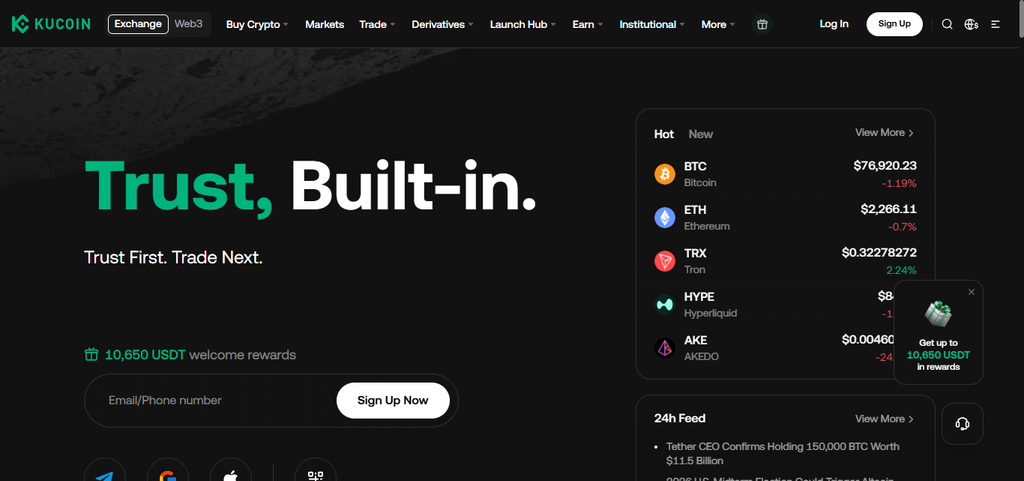
For maker and taker orders, the standard entry-level spot trading fees are around 0.10%; however, extra savings may be available for qualified KCS holdings and trading-volume tiers. For Asian retail traders seeking access to less-known cryptocurrency projects and diverse altcoin markets, KuCoin is especially pertinent.
KuCoin Pros & Cons
| Pros | Cons |
|---|---|
| Extensive altcoin and emerging-token selection. | Some smaller markets have low liquidity. |
| Access to numerous trading pairs. | Regulatory availability varies by jurisdiction. |
| KCS-related trading fee benefits. | Fee discounts depend on eligibility and conditions. |
| Multiple spot and derivatives products. | Interface may be difficult for beginners. |
| Useful for discovering emerging crypto projects. | Not every listed token has strong trading activity. |
8. MEXC
For traders interested in recently listed cryptocurrencies, speculative altcoins, and smaller-cap digital assets, MEXC provides a competitive substitute for Bithumb. The exchange generated almost $990 million in spot trading activity in a 24-hour period and supports about 1,438 cryptocurrencies across 2,504 trading marketplaces.
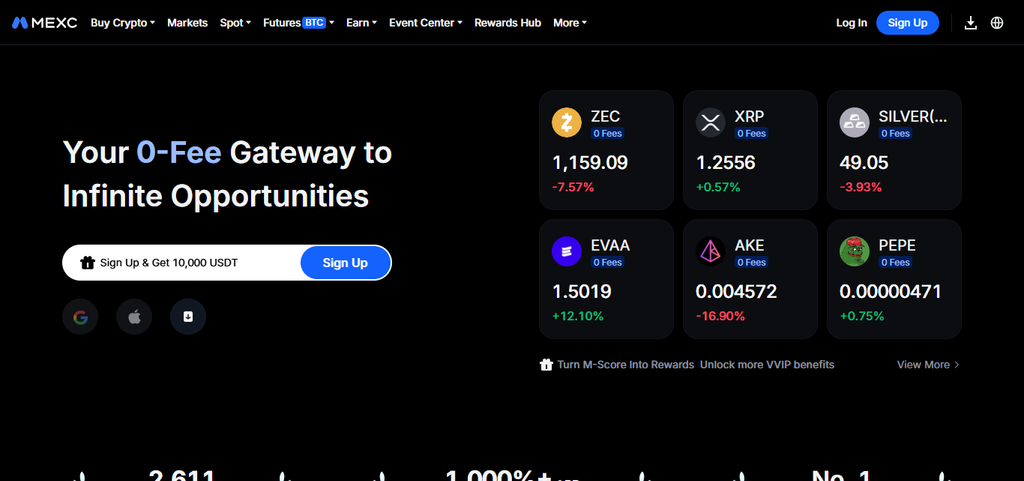
It is especially helpful for locating new coins and alternative trading opportunities due to its wide market variety. Although real fees may differ depending on the trading pair, incentives, and account restrictions, a frequently published base spot fee comparison provides 0% maker and 0.05% taker fees. Cost-conscious traders looking for regular new token listings and extensive altcoin coverage will find MEXC particularly appealing.
MEXC Pros & Cons
| Pros | Cons |
|---|---|
| Extensive selection of emerging altcoins. | Some newly listed tokens have limited liquidity. |
| Competitive promotional spot trading fees. | Zero-fee promotions may change without notice. |
| Frequent new cryptocurrency listings. | New listings can carry significant volatility. |
| Broad selection of speculative trading pairs. | Due diligence is important for smaller projects. |
| Multiple spot and futures markets. | Regional restrictions may apply. |
9. HTX
For traders interested in Asian cryptocurrency marketplaces and a variety of digital assets, HTX is a well-known substitute for Bithumb. The platform registered about $928 million in spot trading activity in a 24-hour period and supports about 834 cryptocurrencies across 951 trading markets. For traders looking for alternatives to Korean-focused exchanges, its trading ecosystem offers options for big cryptocurrencies, well-known altcoins, and up-and-coming digital assets.
Although HTX-related token bonuses and VIP programs may lower trading expenses, standard entry-level spot trading fees for maker and taker orders are roughly 0.20%. For traders looking for more exposure to the Asian market and a variety of cryptocurrency trading options, HTX is something to think about.
HTX Pros & Cons
| Pros | Cons |
|---|---|
| Longstanding presence in Asian cryptocurrency markets. | Competition from larger global exchanges. |
| Broad cryptocurrency trading selection. | Some altcoin pairs have limited liquidity. |
| Multiple spot and derivatives markets. | Fee structures can vary by account level. |
| Access to established and emerging tokens. | Regional services and fiat options are limited in some markets. |
| HTX ecosystem and token-related benefits. | Platform complexity may affect new traders. |
10. LBank
For traders looking to access smaller-cap trading possibilities, speculative altcoins, and new cryptocurrencies, LBank provides an additional option to Bithumb. More than 800 cryptocurrencies and more than 1,000 trading pairs are supported by the exchange, and its most recent CoinMarketCap profile shows a 24-hour spot trading volume of about $1.28 billion.
Access to both more recent cryptocurrency ventures and well-established digital assets is made possible by its wide market coverage. While futures trading has a different cost structure, standard spot trading fees are roughly 0.10% for both maker and taker orders. For retail traders looking for more altcoin options and exposure to developing cryptocurrency marketplaces, LBank is especially pertinent.
LBank Pros & Cons
| Pros | Cons |
|---|---|
| Broad selection of emerging cryptocurrencies. | Many micro-cap tokens have limited liquidity. |
| Access to speculative altcoin markets. | Wider spreads can affect trade execution. |
| Multiple cryptocurrency trading pairs. | Less institutional liquidity than leading global exchanges. |
| Competitive standard spot trading fees. | Limited fiat options in certain regions. |
| Access to newer cryptocurrency listings. | Listing quality and project transparency can vary. |
Conclusion
Finally, the Top Bithumb Substitutes for Asian Altcoin Volume Trading volume, liquidity, fees, and altcoin choice all play a role in selecting the best Bithumb substitute. While OKX and Bybit provide sophisticated trading choice
Binance and Upbit are notable for their robust market activity. KuCoin, MEXC, and Gate.io offer comprehensive cryptocurrency listings. To support well-informed trading decisions, evaluate geographic availability, trading costs, order-book depth, and regulatory compliance prior to selecting an exchange.
FAQ
Binance generally leads global exchanges in reported 24-hour spot trading volume.
MEXC offers competitive promotional fees, depending on trading pairs and conditions.
Gate.io provides extensive cryptocurrency listings, including numerous emerging altcoin projects.
Both offer KRW markets, but liquidity varies across individual trading pairs.

