


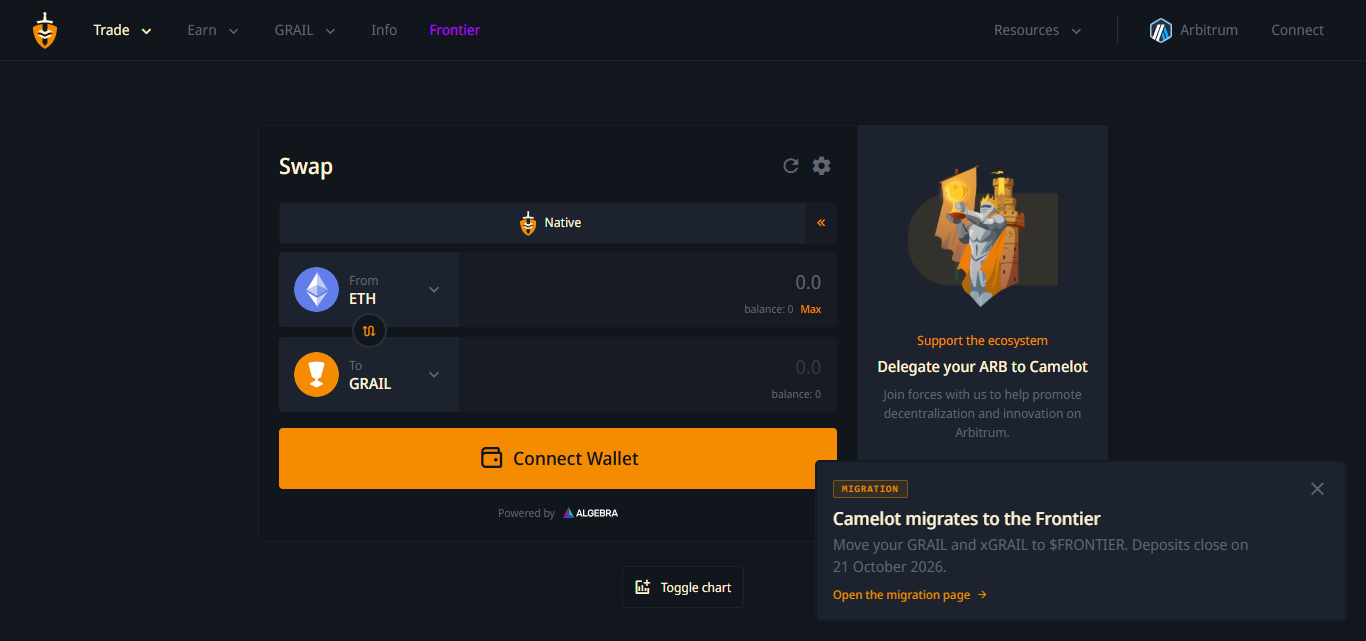
In this article, I will talk about the Top Camelot DEX Competitors for Arbitrum Yield Farming, covering the top decentralized exchanges and DeFi platforms that provide liquidity provision, token swapping, automated compounding, and yield optimization opportunities.
You’ll learn their key features, benefits, and unique strategies to help you compare what’s out there and know which platforms are best for your yield-farming goals.
Key Points & Top Camelot DEX Rivals for Arbitrum Yield Farming
- Uniswap: A leading decentralized exchange offering liquidity pools, token swaps, and fee-based yield opportunities.
- Fluid: Combines decentralized trading and lending, enabling capital-efficient liquidity provision across supported markets.
- PancakeSwap: Provides token swaps, liquidity farming, and staking opportunities for users across supported blockchain networks.
- Curve Finance: Specializes in stablecoin and correlated-asset swaps, with liquidity provider rewards and incentives.
- SushiSwap V3: Offers concentrated liquidity pools, decentralized token trading, and potential fee earnings for liquidity providers.
- Balancer V3: Enables customizable liquidity pools, automated portfolio management, and trading-fee opportunities for liquidity providers.
- GMX: Supports decentralized perpetual trading and liquidity provision through its supported Arbitrum trading and liquidity markets.
- Pendle Finance: Tokenizes future yield, allowing users to trade yield exposure and pursue fixed-rate strategies.
- Beefy Finance: Automates yield farming through vault strategies that compound rewards across supported decentralized finance protocols.
- Gamma Strategies: Manages concentrated liquidity positions, helping liquidity providers optimize allocation across supported decentralized exchanges.
- Steakhut Finance: Offers decentralized finance strategies and liquidity management tools designed to support yield generation opportunities.
- Toros Finance: Provides tokenized leveraged and yield strategies, offering exposure to selected decentralized finance market opportunities.
- Yield Yak: Automates yield optimization through compounding strategies and vaults across supported decentralized finance ecosystems.
13 Top Camelot DEX Rivals for Arbitrum Yield Farming
1. Uniswap
Uniswap is a popular decentralized exchange in the DeFi ecosystem, and a prominent alternative to Camelot for Arbitrum users. It allows users to trade tokens directly through intelligent contracts without a centralized middleman. Its automated market maker (AMM) model enables liquidity providers to deposit token pairs into pools and earn a share of the trading fees generated from swaps.
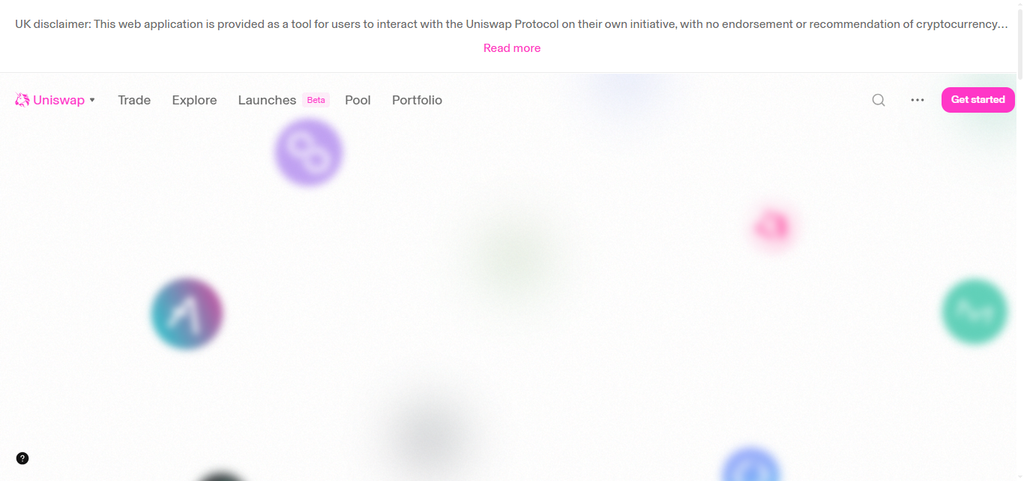
Uniswap’s model of concentrated liquidity allows liquidity providers to focus their capital in certain price ranges, which may improve capital efficiency but requires more active management. Users must consider impermanent loss, price volatility, network fees and pool liquidity before participating. There are no guarantyd returns. Rewards depend on the trading activity and the pool you choose.
Uniswap Feature
| Feature | Explanation |
|---|---|
| Token Swapping | Enables users to exchange tokens directly through decentralized smart contracts. |
| Liquidity Pools | Allows liquidity providers to deposit token pairs and earn trading fees. |
| Concentrated Liquidity | Supports selected price ranges for potentially more capital-efficient liquidity provision. |
| Permissionless Trading | Provides open access to supported markets without centralized exchange intermediaries. |
2. Fluid
Fluid is a DeFi protocol built on integrated liquidity infrastructure to enable lending, borrowing and decentralized trading. It’s a potential alternative for those users seeking capital efficient ways to access trading and lending markets as opposed to Camelot. Fluid’s architecture is built to enable liquidity to serve multiple functions inside its ecosystem, making deposited capital work better.

Users can explore lending yields, borrowing strategies, and opportunities relating to liquidity based on existing markets and supported assets. Users should check what Fluid products are available on Arbitrum before depositing funds, and review their collateral requirements, borrowing costs, liquidation risks and smart-contract exposure. Returns are contingent on real market demand and protocol conditions.
Fluid Feature
| Feature | Explanation |
|---|---|
| Integrated DeFi | Combines lending, borrowing, and decentralized trading within its liquidity infrastructure. |
| Capital Efficiency | Designed to improve capital utilization across supported trading and lending markets. |
| Lending Opportunities | Enables users to explore interest-earning opportunities through supported lending products. |
| Risk Management | Uses protocol-specific collateral and liquidation mechanisms to manage borrowing risks. |
3. PancakeSwap
PancakeSwap is a multi-chain decentralized exchange that enables users to swap tokens, provide liquidity and earn yield on supported networks such as Arbitrum. Users can provide liquidity to eligible token pairs and, where available, stake their liquidity positions in farms for additional rewards. Depending on the version of the pool, liquidity providers can use conventional pools or concentrated liquidity positions with selected price ranges.
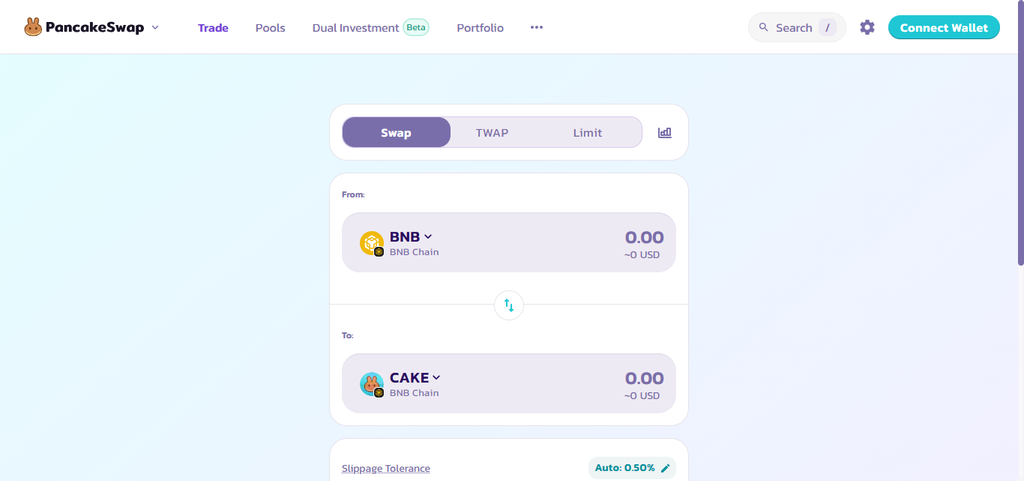
PancakeSwap’s flexibility makes it a good comparison to Camelot when considering trading fees, available assets and incentive programs. However, farming rewards can vary and token prices can move against a liquidity provider’s position. Check the pool depth, reward-token value, impermanent loss and whether there are Arbitrum farms available before you put in the capital.
PancakeSwap Feature
| Feature | Explanation |
|---|---|
| Token Swapping | Supports decentralized cryptocurrency exchanges across multiple supported blockchain networks. |
| Liquidity Farming | Allows eligible liquidity providers to participate in available farming programs. |
| Liquidity Pools | Supports token pools that facilitate trading and liquidity provision. |
| Multichain Support | Provides DeFi services across supported networks, including Arbitrum. |
4. Curve Finance
Curve Finance is a decentralized exchange optimized for stablecoin trading and assets that are similarly priced. It can be helpful for Arbitrum yield farmers who are more interested in stablecoin liquidity strategies than in highly volatile token pairs. Liquidity providers can add supported assets to pools and potentially earn trading fees in addition to any other incentives a pool or related program may offer.
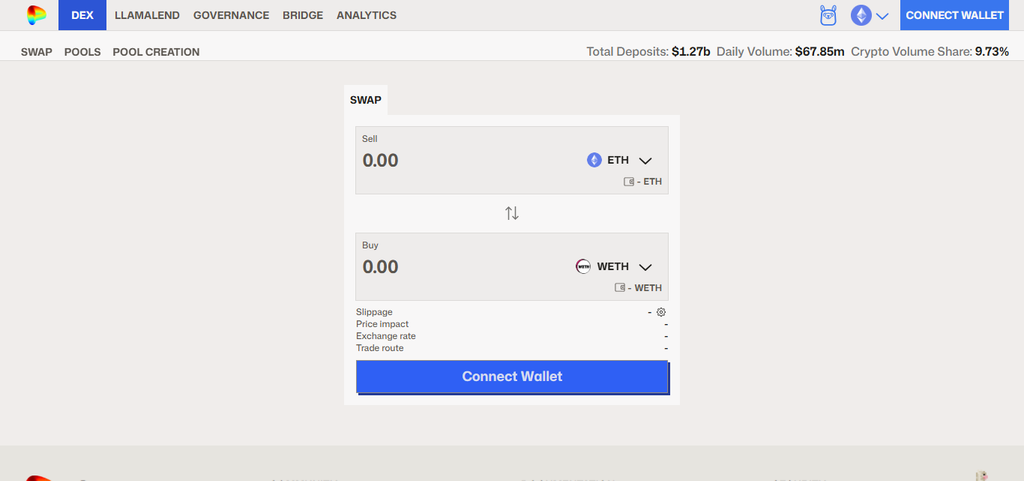
Some Curve strategies also involve liquidity pool tokens and outside protocols that may add additional dependencies and risks. Correlated assets could diverge less in price during normal market conditions but depegging, liquidity shortages and vulnerabilities in smart-contracts are still possible. Choose a strategy after reviewing Arbitrum pools, past trading volumes, pool makeup, and reward conditions.
Curve Finance Feature
| Feature | Explanation |
|---|---|
| Stablecoin Trading | Specializes in efficient swaps between stablecoins and similarly valued assets. |
| Liquidity Provision | Enables users to deposit supported assets and potentially earn trading fees. |
| Low-Slippage Swaps | Optimizes trading between correlated assets under suitable liquidity conditions. |
| Reward Opportunities | Offers additional incentives for eligible pools when programs are available. |
5. SushiSwap V3
A decentralized exchange option for users looking for token swaps and liquidity provision via concentrated liquidity pools. SushiSwap V3 Where the relevant pool and deployment permit, liquidity providers can select price ranges at which to deploy their assets and earn trading fees when their liquidity is used.

This design can improve capital efficiency compared to spreading liquidity across every possible price, but also needs tracking market movements and adjusting positions when needed. SushiSwap’s larger DeFi ecosystem may provide other ways to explore liquidity and farming opportunities. Check the latest interface, contract addresses, eligible pools, and incentives before using SushiSwap V3 on Arbitrum. Trading fees differ. Impermanent loss and smart-contract risks are key considerations.
SushiSwap V3 Feature
| Feature | Explanation |
|---|---|
| Concentrated Liquidity | Allows providers to allocate liquidity within selected price ranges. |
| Decentralized Swaps | Enables users to exchange supported tokens through smart contracts. |
| Trading Fee Earnings | Provides opportunities to collect fees when supplied liquidity facilitates trades. |
| Liquidity Management | Requires monitoring price ranges to keep concentrated positions actively utilized. |
6. Balancer V3
Balancer V3 is a programmable automated market maker that allows for flexible pool designs to enable decentralized trading and liquidity management. While regular swaps only have two-token pools, Balancer can support other pool configurations for particular pairs of assets and trading requirements. Liquidity providers can explore supported pools to earn trading fees, while developers are able to create specialized liquidity applications on top of the Balancer infrastructure.
For those interested in diversified pools and custom liquidity strategies, its flexible approach is a useful comparison for Camelot users. Real yield is dependent on pool activity, fee settings, asset prices and incentives. Before depositing funds, users should review pool composition, depth of liquidity, conditions for withdrawal, and risks of the contract. Ensure that this particular Balancer V3 deployment and its associated pools are active on Arbitrum.
Balancer V3 Feature
| Feature | Explanation |
|---|---|
| Customizable Pools | Supports flexible liquidity pool configurations for different trading strategies. |
| Automated Market Making | Uses smart contracts to facilitate decentralized token trading. |
| Portfolio Flexibility | Supports pools containing different asset combinations and allocation structures. |
| Liquidity Rewards | Allows providers to pursue trading fees and eligible pool incentives. |
7. GMX
Unlike traditional decentralized exchanges, GMX is focused on spot swaps and perpetual futures trading, backed by liquidity pools on Arbitrum and other networks. Yield Opportunities: GMX offers GM pools and GMX Liquidity Vaults (GLVs) that provide liquidity for supported markets. Eligible trading-related fees, including fees associated with swaps, trading positions and liquidations, can be earned by liquidity providers, according to the applicable protocol rules.

But these pools have different risk characteristics than standard token-pair liquidity pools, as their performance is partly driven by trader activity, market movements and pool exposure. Before you deposit check out the current pool composition, utilization, fee distribution and historical performance. Leveraged trading also poses huge risks for traders.
GMX Feature
| Feature | Explanation |
|---|---|
| Perpetual Trading | Provides decentralized perpetual futures markets for supported cryptocurrency assets. |
| Liquidity Pools | Enables users to supply liquidity to eligible trading markets. |
| Trading Fee Revenue | Liquidity providers may receive eligible fees generated by protocol activity. |
| Leveraged Markets | Supports leveraged trading, which increases potential gains and losses for traders. |
8. Pendle Finance
Pendle Finance is a yield trading platform enabling users to divide the principal and future yield of supported yield-bearing assets. Its main tokens (PTs) provide exposure to a fixed redemption value at maturity, while yield tokens (YTs) are representative of the yield of the underlying asset until expiry. Users can also provide liquidity to Pendle markets and potentially earn trading fees and eligible incentives.
This is different from more general purpose token swapping in Camelot as it allows for more targeted approaches to managing variable yield or expressing views on future returns. However, the results are subject to market pricing, the underlying asset, maturity dates, liquidity and protocol conditions. Users should be aware of the token redemption mechanics, expiry behavior and risk of losing money on trading yield exposure before participating.
Pendle Finance Feature
| Feature | Explanation |
|---|---|
| Yield Tokenization | Separates supported yield-bearing assets into principal and yield components. |
| Fixed-Yield Strategies | Enables certain strategies targeting predictable redemption values at maturity. |
| Yield Trading | Allows users to trade exposure to future yield through yield tokens. |
| Liquidity Provision | Supports liquidity pools where providers may earn trading fees and incentives. |
9. Beefy Finance
Beefy Finance is a multichain yield optimizer that automates the yield farming process via vaults built to compound rewards. Users don’t have to manually claim the rewards and reinvest them. They can just deposit supported assets to a vault and the vault’s strategy will take care of these operations automatically. The strategy behind it is contingent upon the vault you choose, with some vaults earning returns from liquidity pools, farming incentives or lending markets.
Automated compounding may reduce the time and transaction costs of manually reinvesting on a frequent basis, although performance is dependent on the underlying investments of the strategy. Beefy is especially relevant to Camelot users who want to explore automated yield management, instead of manage every farming step themselves. Before depositing, review the vault’s underlying protocol, estimated APY, fees, withdrawal conditions, and smart-contract risks.
Beefy Finance Feature
| Feature | Explanation |
|---|---|
| Automated Compounding | Automatically reinvests eligible farming rewards through supported vault strategies. |
| Yield Vaults | Provides vaults connected to different DeFi protocols and farming opportunities. |
| Multichain Access | Supports yield optimization across multiple blockchain ecosystems. |
| Strategy Automation | Reduces manual reward harvesting and reinvestment requirements for users. |
10. Gamma Strategies
Gamma Strategies manages concentrated liquidity positions across supported decentralized exchanges. Concentrated liquidity means liquidity providers can allocate assets to specific price ranges, which can improve capital efficiency but may require frequent adjustments as market prices move. However, Gamma’s liquidity management strategies enable users to remain in positions and manage their liquidity allocations without having to make every adjustment themselves.
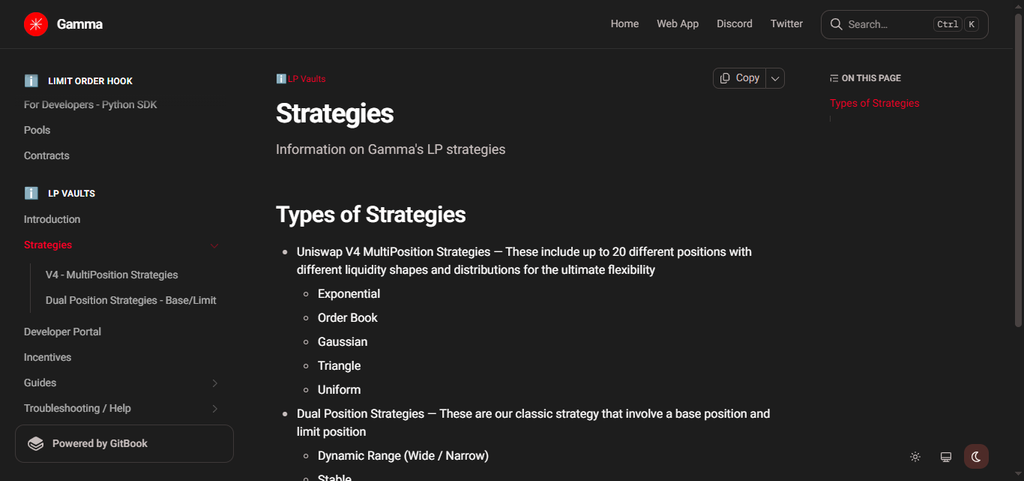
Gamma could be an alternative to manually managing concentrated liquidity positions on supported Uniswap-style pools and other compatible exchanges for Arbitrum yield farmers. Potential returns are not guarantyd but can be derived from trading fees and available incentives.
Before depositing, users need to verify that there are active Gamma vaults and supported pools on Arbitrum, review strategy fees and understand impermanent loss, out-of-range positions and underlying smart-contract risks.
Gamma Strategies Feature
| Feature | Explanation |
|---|---|
| Liquidity Management | Helps manage concentrated liquidity positions across supported decentralized exchanges. |
| Automated Rebalancing | Strategies can adjust liquidity allocations as market conditions change. |
| Capital Efficiency | Focuses on deploying liquidity within selected price ranges. |
| Fee Optimization | Seeks to improve liquidity performance through position management strategies. |
11. Steakhut Finance
Steakhut Finance is a DeFi project focused on liquidity management and yield-oriented strategies and is worth exploring when comparing alternatives to the Camelot liquidity ecosystem. Depending on the currently supported product, users can find tools to manage liquidity positions, access decentralized trading opportunities or search for returns through supported strategies.
As with other DeFi platforms, the value of such opportunities depends on markets available, token incentives, liquidity conditions, and the performance of underlying protocols. Users should be aware that direct token swapping, providing liquidity and automated yield management have different risk levels.
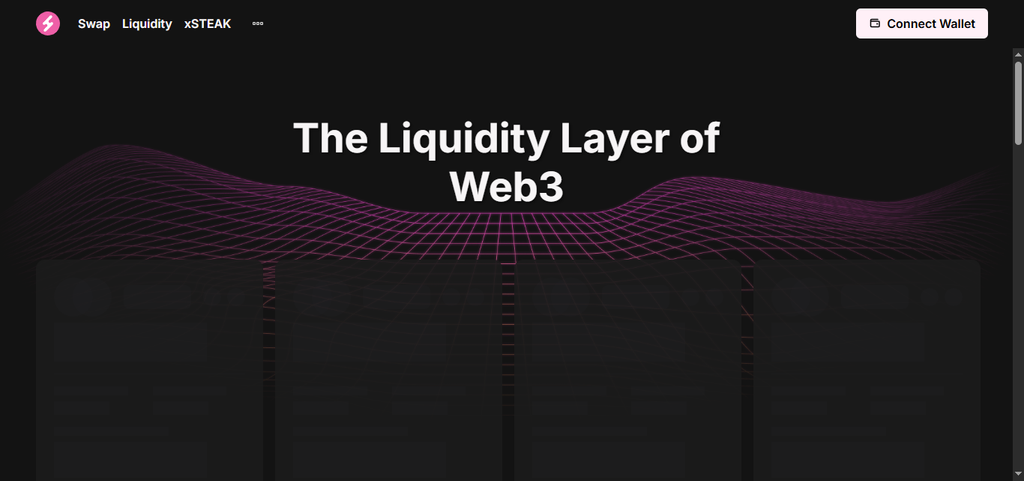
Before using Steakhut Finance on Arbitrum, it is important to check the current deployment and supported assets, the active products, and the contract audits via official documentation. Don’t assume historical yields or advertized rewards are still available.
Steakhut Finance Feature
| Feature | Explanation |
|---|---|
| DeFi Strategies | Focuses on strategy-based approaches to decentralized finance opportunities. |
| Liquidity Management | Provides tools associated with managing supported liquidity positions and assets. |
| Yield Opportunities | Users can investigate eligible products targeting returns from DeFi activities. |
| Protocol Integration | Opportunities depend on the platform’s current supported networks and integrations. |
12. Toros Finance
Toros Finance offers automated and tokenized DeFi strategies to give users access to various market and yield prospects. It has product categories including yield vaults, leveraged tokens, options strategies and tokens that offer exposure to select assets. This distinguishes Toros from the largely decentralized exchange and liquidity venue Camelot. Users can choose automated yield strategies with lending protocols or liquidity pools, depending on the product available on Arbitrum, without needing to manually manage each underlying position.
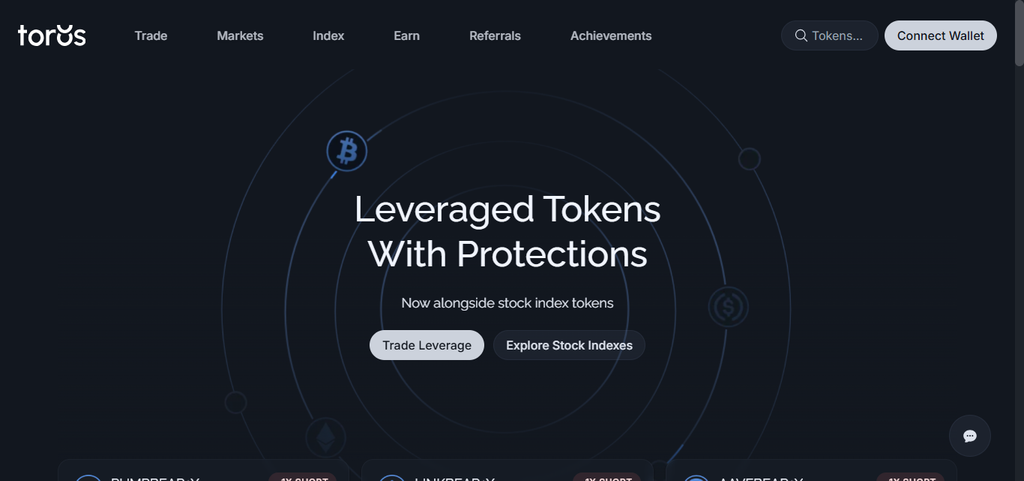
But each product has its own mechanics, fees and risk characteristics. Vaults still depend on the underlying protocols and market conditions. Leveraged products can also amplify losses. Before you invest, review the specific product documentation, strategy make-up, rebalancing guidelines and withdrawal arrangements.
Toros Finance Feature
| Feature | Explanation |
|---|---|
| Tokenized Strategies | Offers tokenized products designed to provide exposure to selected DeFi strategies. |
| Yield Vaults | Provides access to supported automated strategies targeting yield generation. |
| Leveraged Exposure | Certain products offer leveraged exposure, increasing potential gains and losses. |
| Automated Management | Strategy mechanisms can manage positions according to predefined product rules. |
13. Yield Yak
Yield Yak is a yield optimizer platform for DeFi users on Arbitrum and Avalanche. Its main features are auto-compounding farms, yield optimization strategies and Yak Swap, a decentralized exchange aggregator that will route trades across available sources of liquidity. On supported farms, users deposit eligible assets or liquidity provider tokens, and the platform automatically reinvests the earned rewards to compound returns over time. This approach can reduce the need for manual reward harvesting and repetitive transactions.
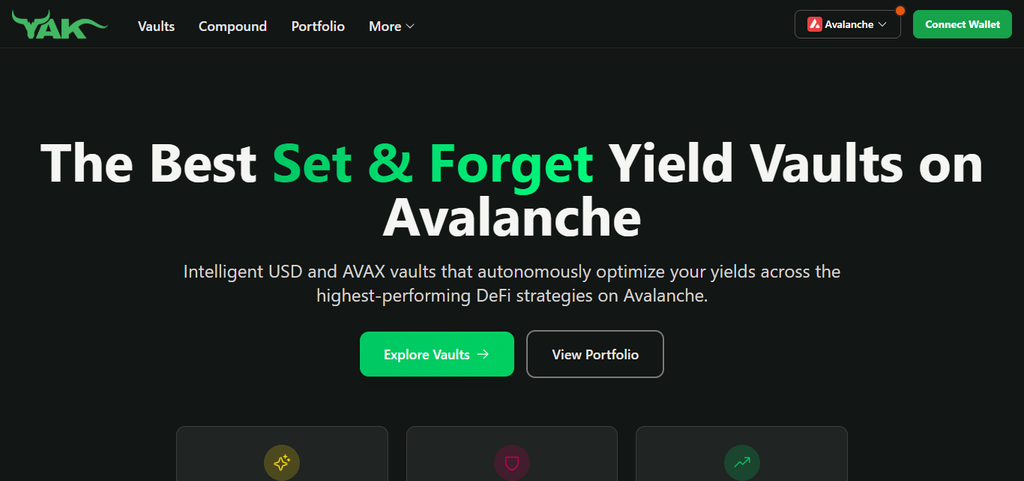
Yield Yak is especially relevant for Camelot users that would prefer to automate the farming instead of dealing with each reinvestment manually. That said, returns are dependent on pool performance, reward-token prices, fees and market conditions. Availability of Arbitrum vaults, underlying protocols, audit coverage, and withdrawal rules may vary and users should check the current situation before making any deposits.
Yield Yak Feature
| Feature | Explanation |
|---|---|
| Auto-Compounding | Automatically reinvests eligible rewards to help compound farming returns. |
| Yield Optimization | Helps users explore strategies across supported DeFi protocols and pools. |
| Farming Vaults | Offers vault-based opportunities for supported assets and liquidity-provider tokens. |
| Swap Aggregation | Yak Swap can route trades across available liquidity sources to seek efficient execution. |
Conclusion
To conclude, Top Camelot DEX Rivals for Arbitrum Yield Farming present a variety of avenues for token swapping, liquidity provision, automated compounding, and yield optimization.
DeFi platforms like Uniswap, Curve Finance, Pendle Finance, Beefy Finance and Yield Yak, fill different DeFi needs. Compare features, fees, security and possible returns before you choose a platform. Always evaluate the risks, and check if Arbitrum is available at the moment you decide to invest your money.
FAQ
Curve specializes in stablecoin swaps and liquidity pools with potential fee earnings.
SushiSwap V3 provides concentrated liquidity pools and decentralized token trading opportunities.
GMX liquidity providers may earn eligible fees from supported decentralized trading markets.
Pendle tokenizes future yield, enabling users to trade yield exposure strategically.

