



In this article, you will find an overview of the Best Multi-Asset Crypto Exchanges for Tokenized Commodities (Gold, Silver, Oil). As tokenized commodities become more mainstream, investors look for safe platforms that provide cryptocurrency trading alongside real-world assets.
This guide outlines the most favorable exchanges for commodity-centric crypto traders, considering total value, trading features, security, liquidity, assets, and fees.
Key Poinst & Best Multi-Asset Crypto Exchanges for Tokenized Commodities (Gold, Silver, Oil)
| Crypto Exchange | Explanation |
|---|---|
| Binance | Supports tokenized commodities, deep liquidity, advanced trading, global access. |
| Bybit | Offers commodity-linked tokens, derivatives, competitive fees, user-friendly platform. |
| OKX | Provides tokenized assets, robust security, staking, and multi-asset trading. |
| Kraken | Trusted exchange supporting diversified assets with strong compliance standards. |
| KuCoin | Features commodity-backed tokens, extensive markets, flexible trading options. |
| Gate.io | Wide token selection including commodity assets and futures markets. |
| HTX | Supports tokenized commodities, high liquidity, diverse investment opportunities. |
| Bitget | Multi-asset platform offering commodities, copy trading, and competitive pricing. |
| MEXC | Large asset selection, commodity tokens, fast listings, low fees. |
| Coinbase International Exchange | Regulated platform providing secure access to diversified digital assets. |
10 Best Multi-Asset Crypto Exchanges for Tokenized Commodities (Gold, Silver, Oil)
1. Binance
Binance ranks as the biggest crypto exchange for trading all things crypto and tokenized commodities like gold-backed digital assets. The platform’s spot trading comes at a fee starting around 0.10%, with discounts for users that hold BNB tokens. Binance’s hundreds of trading pairs and advanced charting tools are complemented by its futures markets and staking products.
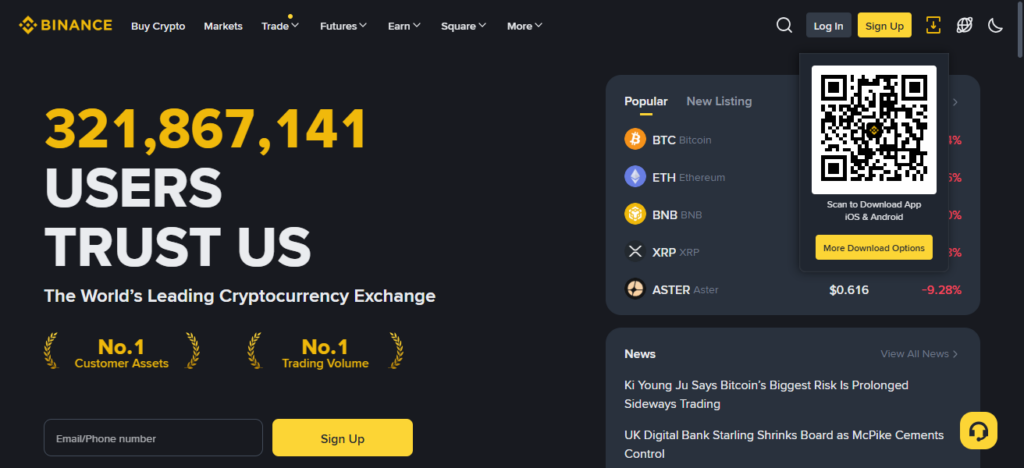
Deep liquidity enables the efficient entry and exit of positions, and with multi-layer security, global reach, and a wide asset selection, Binance is a clear option for the investor that seeks diverse exposure to both digital and commodity assets.
Binance Pros & Cons
| Pros | Cons |
|---|---|
| Industry-leading liquidity for commodity and crypto trading. | Regulatory restrictions in several countries. |
| Low 0.10% spot trading fees. | Advanced features may overwhelm beginners. |
| Huge selection of tokens and trading pairs. | Some services unavailable in specific regions. |
| Strong staking, futures, and earning products. | Customer support response times vary. |
2. Bybit
Bybit has moved past derivatives and now offers many tokenized assets, even those that are commodity-linked. Spot trading fees begin around 0.10%, and competitive fees are provided on derivatives for active traders. The platform’s simple interface is appealing to both the novice investor and the seasoned one.
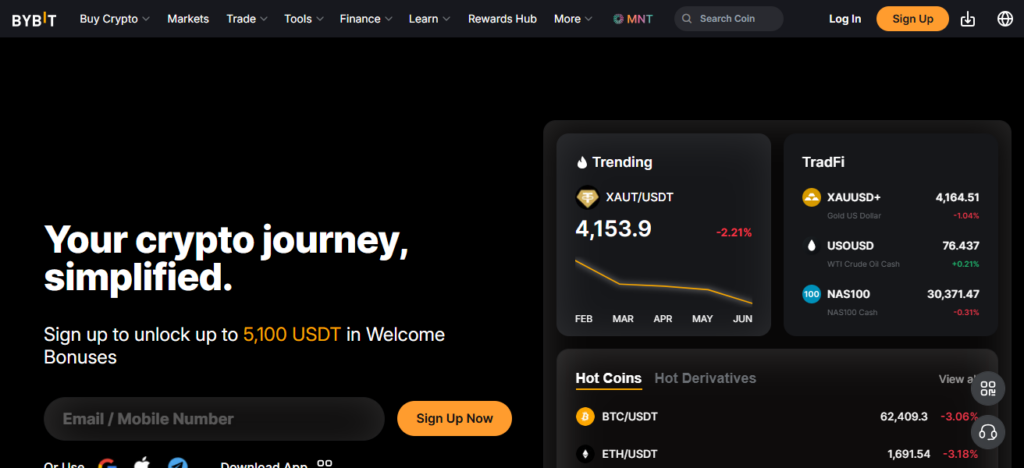
Bybit’s fast trading engine and copy trading features, paired with sophisticated risk management tools, appeal to those with diverse portfolios. Bybit’s growing ecosystem is a one-stop shop for access to crypto and tokenized commodities, as well as trading with an easy user interface to yield farming.
Bybit Pros & Cons
| Pros | Cons |
| User-friendly interface for all experience levels. | Fewer spot assets than Binance. |
| Competitive trading and derivatives fees. | Limited availability in certain jurisdictions. |
| Popular copy trading ecosystem. | Regulatory uncertainty in some markets. |
| Fast order execution and trading engine. | Some advanced tools require learning. |
3. OKX
You will find a full suite of trade products from spot to tokenized assets, staking, and DeFi on the platform as well. Trading fees for spot trading can be as low as 0.08% for makers and 0.10% for takers, depending on the volume.
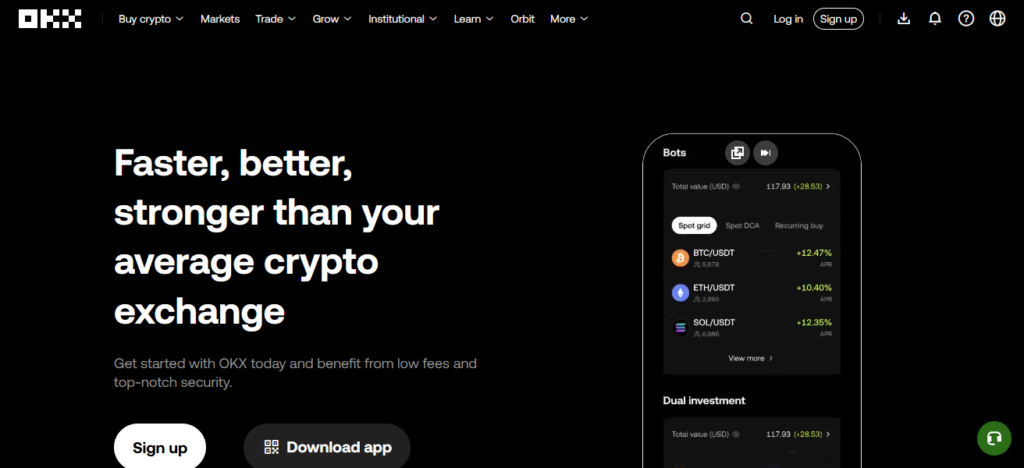
The platform uses cold storage for assets and provides investors with tools for in-depth analysis. OKX also combines flexibility and liquidity for investment opportunities. If you want to diversify your holdings to include tokenized commodities, this is a great platform for that as well.
OKX Pros & Cons
| Pros | Cons |
| Low maker fees starting around 0.08%. | Complex platform for beginners. |
| Extensive DeFi and Web3 integration. | Restricted access in selected regions. |
| Strong security and cold storage practices. | The verification process can be lengthy. |
| Broad multi-asset investment opportunities. | Customer service quality can vary. |
4. Kraken
Kraken has a good reputation for being a long-term player in the industry. The platform has a wide selection of digital assets and is often the choice among institutions. Trading fees start at a competitive 0.16% maker and 0.26% taker, while discounts are offered to users who trade at a higher volume.
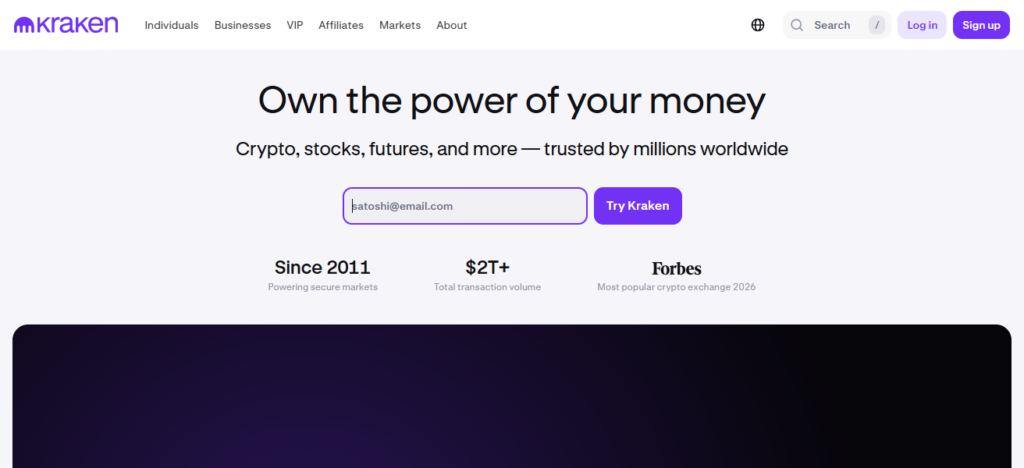
Security and transparency are also great on the platform, making it easier to trust. It is also known for its educational resources that help you thrive and its customer support that is always there for you. If you want a platform with good regulatory standards that will let you trade digital assets also tied to commodities, this is a great choice for you as well.
Kraken Pros & Cons
| Pros | Cons |
| Excellent security and compliance standards. | Higher fees than some competitors. |
| Trusted by institutions and professional traders. | Smaller asset selection than leading exchanges. |
| Transparent operations and reputation. | Fewer promotional rewards programs. |
| Reliable customer support services. | Limited advanced earning products. |
5. KuCoin
KuCoin’s digital assets include commodity-backed tokens and alternative investments. Spot trading fees are about 0.10%, but the fees can be lowered with their native token. KuCoin is popular among traders who want access to atypical markets and new projects.
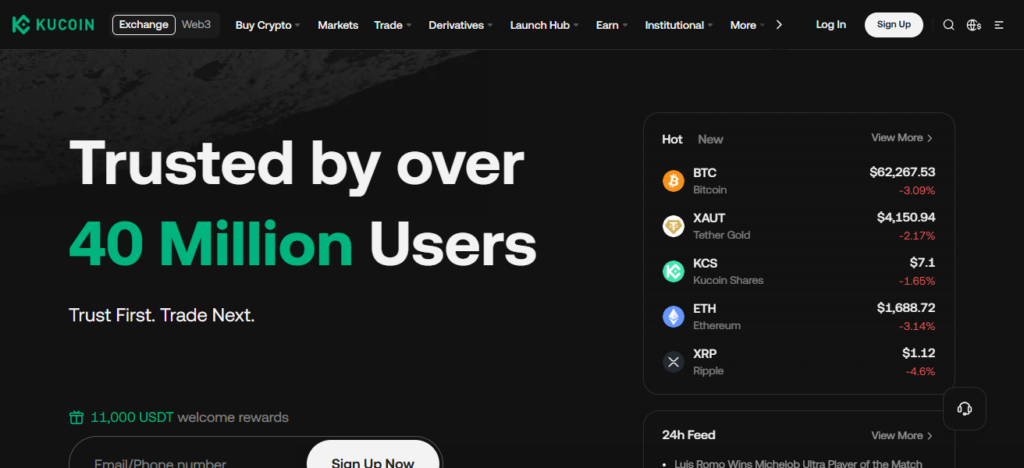
Additional features like trading futures, lending, and staking, coupled with automated trading bots, give users more flexibility. Coupled with all of this, its user interface is easy and advanced, making it easy to justify using KuCoin to gain market diversification.
KuCoin Pros & Cons
| Pros | Cons |
| Large selection of emerging assets. | Regulatory status varies globally. |
| Competitive trading fees and discounts. | Not available in some countries. |
| Automated trading bots included. | Customer support can be inconsistent. |
| Access to niche commodity-related tokens. | The interface may seem crowded. |
6. Gate.io
Gate.io prides itself on the multitude of digital assets it offers. From tokenized commodities to digital assets of all kinds, trading fees start around 0.20%, but are decreased if the user is active. Futures, staking, copy trading, and trading in the future of finance are all part of the offerings as well.
Once again, Gate.io really sets itself apart with the offerings of vast markets and unusual digital assets for trade. Innovation and a large selection of commodities and cryptocurrencies are what make Gate.io a great choice for traders.
Gate.io Pros & Cons
| Pros | Cons |
| An extensive range of listed assets. | Higher base trading fees around 0.20%. |
| Supports staking and wealth products. | The platform can feel complex initially. |
| Early access to new projects. | Regulatory limitations in some regions. |
| Multiple trading options available. | Lower liquidity on certain tokens. |
7. HTX
HTX draws traders from across the globe, offering an extensive portfolio with ample market liquidity. Trading fees typically begin around 0.20%, but may be reduced through loyalty programs and increased trading activity.
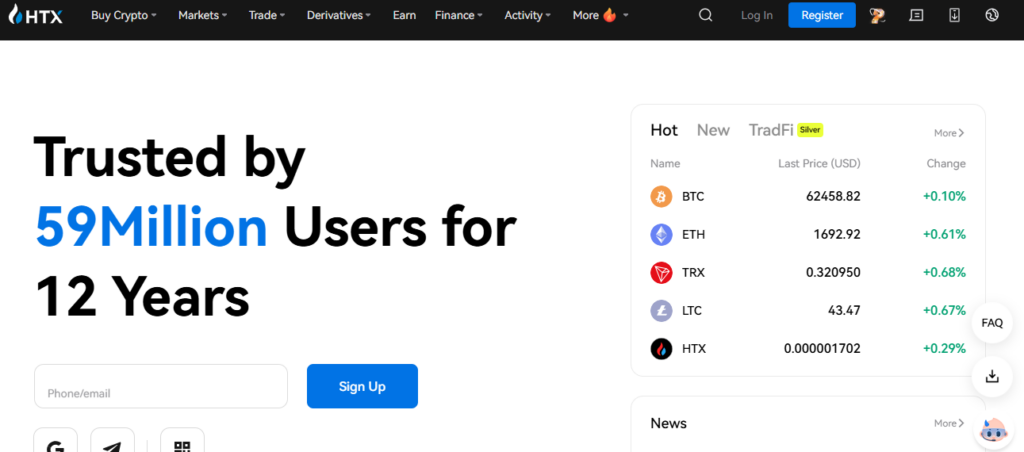
The exchange offers a range of tokenized assets, cryptocurrencies and derivatives. The availability of advanced trading mechanisms, accessibility on mobile devices and a variety of earning opportunities serve to enhance its popularity. Active global traders may benefit from HTX’s ecosystem, offering international trade of commodities such as gold as well as other blockchain-based assets.
HTX Pros & Cons
| Pros | Cons |
| Strong liquidity across many markets. | Less recognized than top-tier exchanges. |
| Diverse tokenized asset offerings. | Regulatory concerns in some jurisdictions. |
| Various earning and staking products. | Customer service improvements needed. |
| Active international trading community. | The interface may appear complicated. |
8. Bitget
In a short period, Bitget has established itself as a major multi-asset exchange, offering low trading costs and copy trading as a key feature. Spot trading fees typically begin around 0.10%, making it favorable for traders. The exchange offers a range of cryptocurrencies along with a variety of advanced tokenized investment products and futures markets.
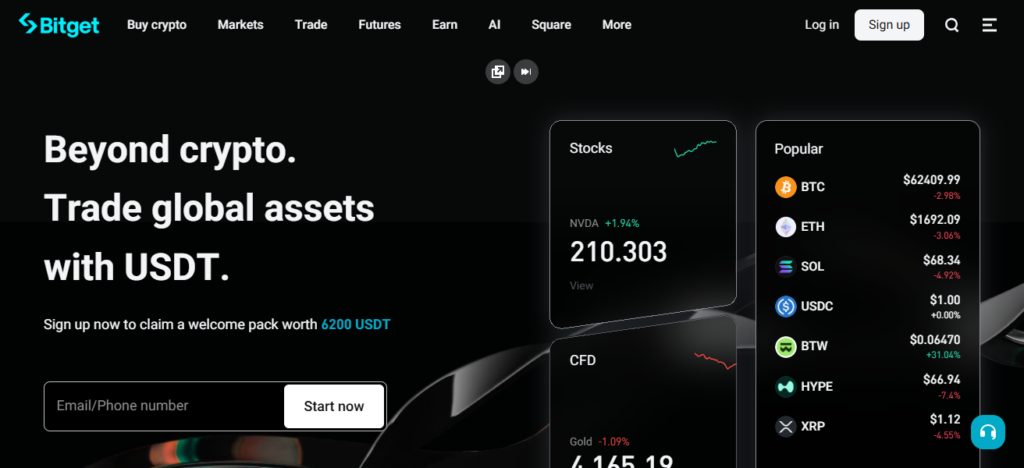
Bitget’s social trading allows users to replicate the moves of seasoned traders and, coupled with its extensive security and high global standards, offers a powerful means of trading tokenized commodities along with a suite of digital assets.
Bitget Pros & Cons
| Pros | Cons |
| Excellent copy trading functionality. | Smaller ecosystem than Binance or OKX. |
| Competitive 0.10% spot trading fees. | Limited fiat support in some regions. |
| Strong growth and innovation. | Fewer institutional services available. |
| User-friendly mobile trading experience. | New users may face verification delays. |
9. MEXC
MEXC is known for its extensive listings and competitive fees. Many spot trading pairs feature fees starting around 0%, and standard rates are amongst the lowest in the industry.
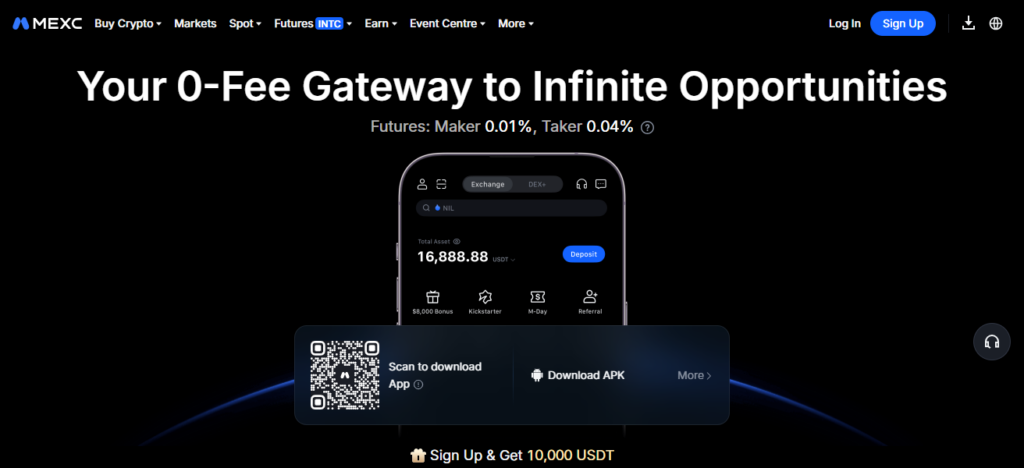
The platform regularly lists new tokenized assets and innovative blockchains. Investors have access to spot trading, futures, staking, and launchpad investments. MEXC’s rapid listing and wide market coverage make it an attractive choice for early traders of commodity-backed tokens and digital investment offerings.
MEXC Pros & Cons
| Pros | Cons |
| Extremely low trading fees. | Regulatory coverage remains limited. |
| Frequently lists new tokens early. | Less institutional adoption. |
| A large variety of digital assets. | Some assets may have lower liquidity. |
| Attractive launchpad opportunities. | Customer support quality varies. |
10. Coinbase International Exchange
Coinbase International Exchange is a digital asset trading platform that attracts users looking for a regulated, institutional-friendly trading environment. Fee structures vary based on how active a trader is in the marketplace, creating an appealing cost framework for professional users.
Users have access to more and more digital assets, with the platform prioritizing transparency, trust, and security. Clients also have access to Coinbase’s robust infrastructure and custodial services.
For users looking for more than just a regulated trading framework for token-based commodities and cryptocurrencies, Coinbase International Exchange is a trustworthy trading platform in a professionally managed environment.
Coinbase International Exchange Pros & Cons
| Pros | Cons |
| Strong regulatory and compliance focus. | Higher fees than many competitors. |
| Trusted global brand reputation. | Limited asset selection compared to rivals. |
| Institutional-grade custody solutions. | Advanced features mainly target professionals. |
| High security and transparency standards. | Availability differs by jurisdiction. |
Conclusion
In conclusion, the top multi-asset crypto exchanges for tokenized commodities give users the option of investing in gold, silver, oil, and digital assets under one roof. Exchanges like Binance, OKX, Bybit, and Kraken have great liquidity options and security with low fees and flexible trading tools.
It all comes down to what your investment goals are when you decide which exchange you want to use, along with the features you prefer, the regulations you have to follow, and what tokenized product commodities they have on offer.
FAQ
Binance, OKX, and Bybit are among the most popular exchanges due to liquidity and asset variety.
Many tokenized commodity projects are backed by physical reserves, though backing varies by issuer.
Most exchanges charge between 0.08% and 0.20% for spot trading, depending on volume and membership levels.
Availability depends on local regulations, and some exchanges restrict access in certain countries.
MEXC and OKX generally provide some of the lowest trading fees among major exchanges.

