


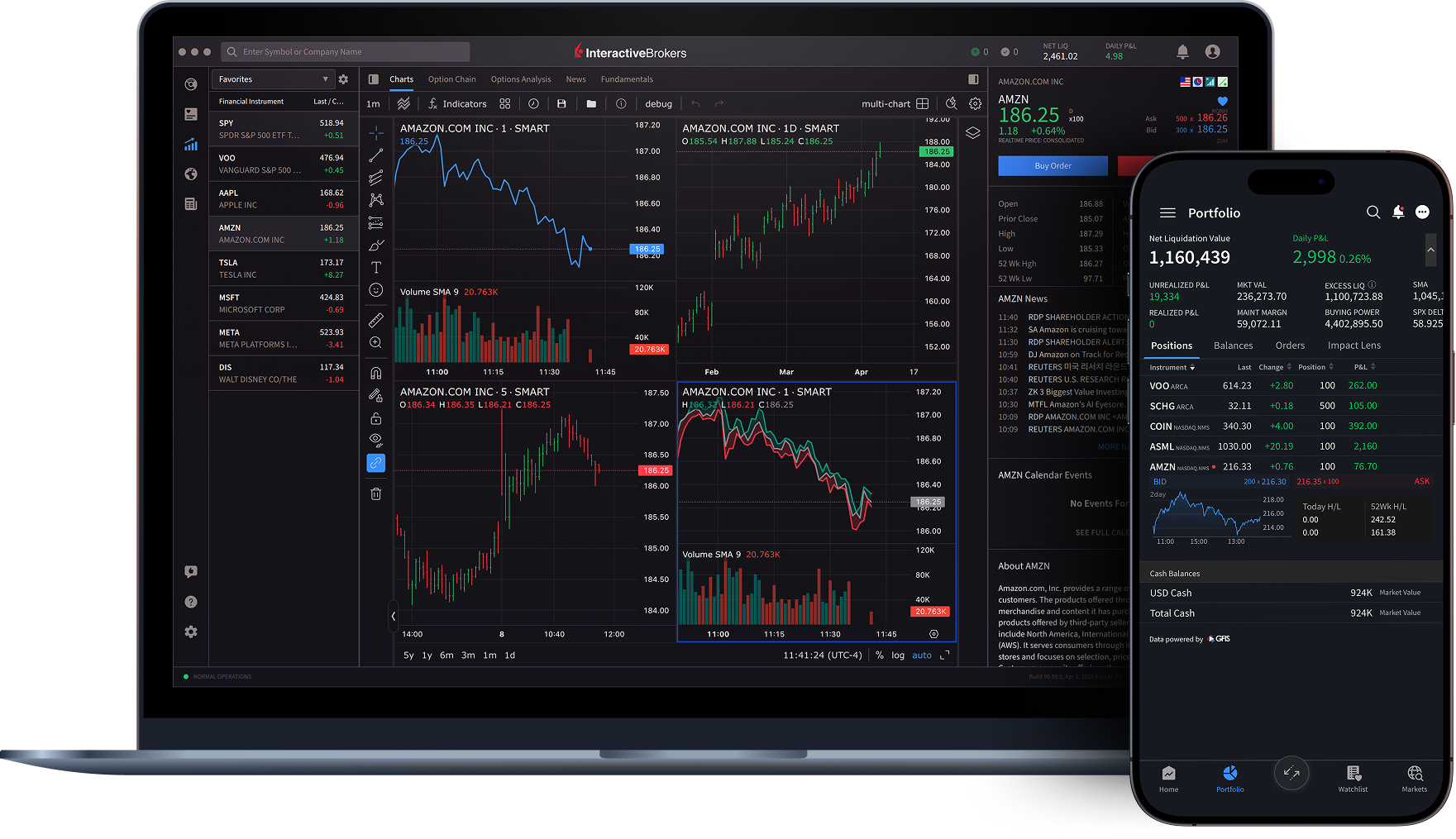
This article reviews the top brokerage infrastructure platforms that empower brokers to develop, oversee, and expand contemporary trading enterprises. These platforms offer critical components of trading tech, liquidity, CRM, connectivity, automation, and risk tools.
I will cover the major players in the market and how they aid the brokerage business with their strengths while looking at the current market structures.
Key Points & Best Brokerage Infrastructure Platforms
| Brokerage Infrastructure Platform | Explanation |
|---|---|
| Match-Trader | Provides white-label trading solutions, broker tools, liquidity connections, and advanced platform customization options. |
| DXtrade | Offers modern trading infrastructure with customizable interfaces, risk management, and broker integrations. |
| Brokeree Solutions | Delivers brokerage technology including plugins, automation tools, and operational enhancement services. |
| Devexperts | Provides enterprise-grade brokerage software, trading platforms, analytics, and financial technology solutions. |
| B2Broker | Supplies complete brokerage infrastructure, liquidity solutions, CRM systems, and white-label platforms. |
| Leverate | Offers brokerage technology, trading platforms, CRM tools, and automated business solutions. |
| Tools for Brokers | Develops brokerage automation software, MetaTrader solutions, reporting, and operational management tools. |
| PrimeXM | Provides connectivity infrastructure, liquidity aggregation, and trading technology for brokers globally. |
| Gold-i | Delivers fintech solutions, liquidity management, integration tools, and trading infrastructure services. |
| Broctagon | Provides multi-asset brokerage technology, CRM systems, trading solutions, and business automation. |
10 Best Brokerage Infrastructure Platforms
1. Match-Trader
Flexibility and white-label trading are at the forefront with Match-Trader. Offering customizable UIs, trading tech, liquidity, broker management, and automation, Match-Trader is advanced and multi-asset.
Most importantly, Match-Trader alleviates operational challenges for brokers. With the independent trading ecosystem in mind, Match-Trader allows firms to roll out branded brokerage services with balance, infrastructure, and execution to best customer service while reducing reliance on third-party platforms.
Match-Trader Features
- White-Label Trading: Enables brokers to launch a branded trading platform with their own identity and interface.
- Brokerage Tools: Provides tools for managing trading accounts, clients, and everyday brokerage operations.
- Liquidity Connectivity: Supports connections with liquidity providers and other trading infrastructure.
- Platform Customization: Allows brokers to customize platform features, appearance, and functionality based on their requirements.
| Pros | Cons |
|---|---|
| Flexible white-label solutions allow brokers to launch branded trading platforms quickly. | Limited market recognition compared with older established brokerage technology providers. |
| Supports multi-asset trading with customizable interfaces and advanced features. | Advanced customization may require additional technical resources and expertise. |
| Provides liquidity integration and efficient broker management tools. | Smaller ecosystem compared to major global trading platforms. |
| Helps reduce operational complexity through automated brokerage solutions. | Some institutional features may require further development. |
2. DXtrade
DXtrade is a trading infrastructure platform for brokerage and proprietary firms in need of customizable trading environments. Devexperts developed this platform to include tailored charting, risk management, and multi-asset capabilities as well as broker integration. The primary focus is customization, and with this in mind
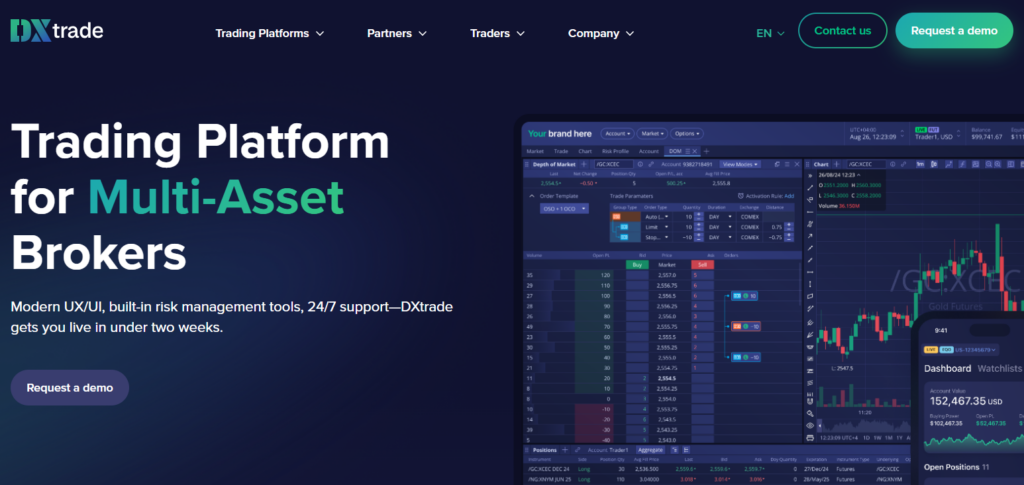
DXtrade helps configure trading workflows to fit specific business needs. Further structural improvements and emphasis on the user experience in the cloud, DXtrade allows firms to operate in a highly competitive environment while offering advanced trading services and remaining scalable.
DXtrade Features
- Customizable Interface: Provides flexible interfaces that brokers can adapt to their brand and operational needs.
- Risk Management: Includes tools for monitoring trading activity, exposure, and brokerage risk.
- Broker Integrations: Supports connections with brokerage systems, liquidity providers, and other financial technologies.
- Modern Infrastructure: Provides scalable trading infrastructure designed for different brokerage business models.
| Pros | Cons |
|---|---|
| Offers highly customizable trading environments for brokers and prop firms. | Implementation can require professional technical support and planning. |
| Provides advanced charting, risk management, and multi-asset capabilities. | May involve higher costs for smaller brokerage startups. |
| Cloud-based architecture improves scalability and accessibility. | Less popular among retail traders compared with MetaTrader platforms. |
| Built with enterprise-grade technology from Devexperts. | Custom integrations may increase deployment complexity. |
3. Brokeree Solutions
Brokeree Solutions offers infrastructure tools that strengthen a brokerage firm’s offering. Their providing consists of MT plugins, risk management, liquidity, and automation for brokers. This allows firms to better organize and oversee client and trading services.
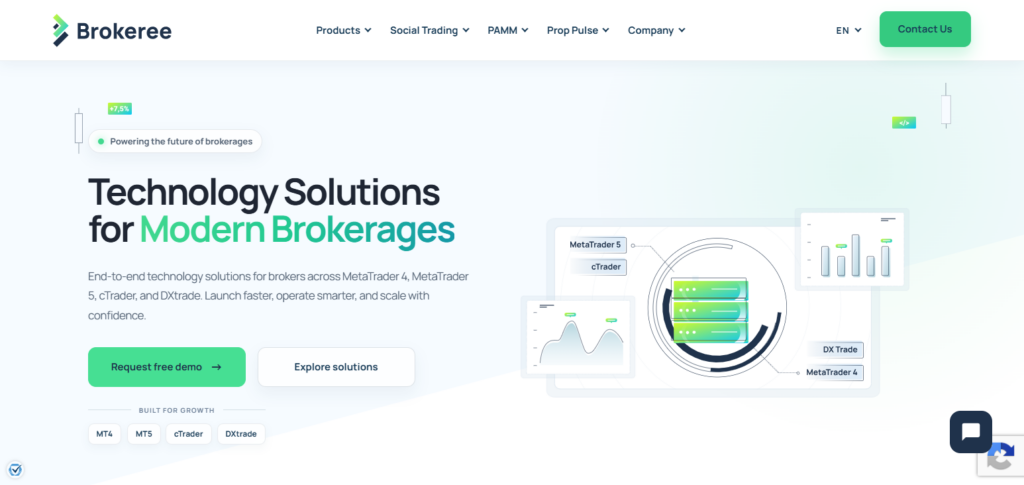
With the demand for automation and transparency on the rise, Brokere Solutions strengthens firms’ infrastructures, improves user experience, and provides a reliable fintech environment to gain a sustained competitive edge in today’s brokerage services market.
Brokeree Solutions Features
- Trading Plugins: Offers plugins that add functionality to existing brokerage and trading platforms.
- Automation Tools: Helps automate selected trading, administrative, and operational processes.
- Platform Integration: Connects brokerage systems with additional technology and third-party services.
- Operational Enhancement: Provides tools designed to improve broker workflows, monitoring, and daily administration.
| Pros | Cons |
|---|---|
| Provides powerful MetaTrader plugins and automation solutions. | Primarily focused on brokers using specific trading ecosystems. |
| Improves operational efficiency through risk and liquidity management tools. | Smaller product range compared with full brokerage platforms. |
| Helps brokers enhance transparency and customer management processes. | Advanced features may require additional configuration support. |
| Offers reliable fintech solutions for modern brokerage operations. | Limited brand awareness outside professional brokerage markets. |
4. Devexperts
Devexperts is a high-end software vendor for brokerages. Their infrastructure covers the entire financial market. They create advanced trading platforms, brokerage software, market data, analytics, and tools for institutions. Devexperts clientele include brokers, exchanges, and investment firms. They have high-end systems that cater to complex, high-speed environments.
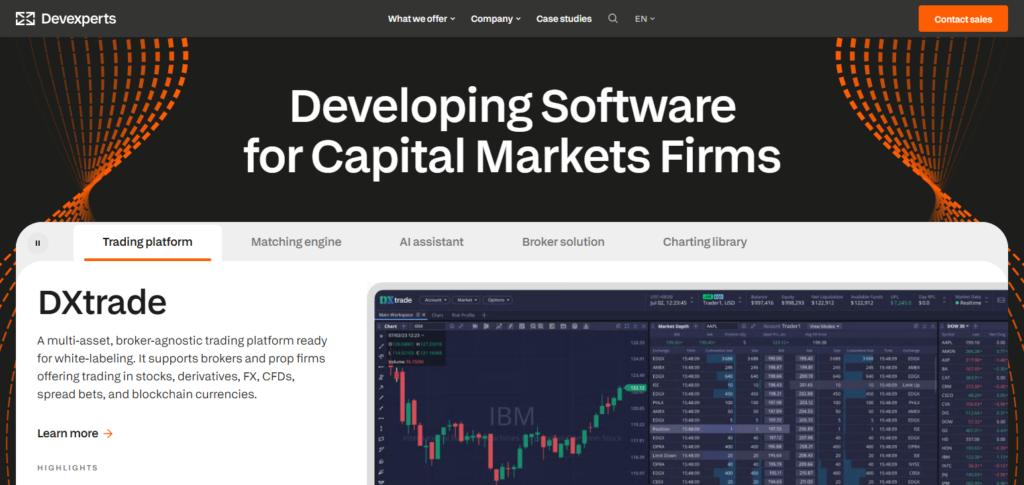
They value customization, security, and reliability in their software. They help their clients perform complex financial operations and provide trading services across many markets and asset classes.
Devexperts Features
- Enterprise Software: Provides large-scale brokerage technology designed for financial institutions and professional businesses.
- Trading Platforms: Offers trading platforms and infrastructure for different brokerage environments.
- Analytics: Provides analytical and reporting capabilities to help businesses monitor trading and operational data.
- Financial Technology: Covers multiple areas of brokerage infrastructure, trading technology, and financial-market operations.
| Pros | Cons |
|---|---|
| Delivers enterprise-grade brokerage infrastructure with advanced technology. | High implementation costs may not suit small brokers. |
| Supports exchanges, institutions, and complex trading environments. | Requires technical expertise for full platform management. |
| Provides scalable solutions with strong security and reliability. | Deployment timelines can be longer for customized solutions. |
| Offers extensive market data and analytics capabilities. | Overpowered features may exceed basic brokerage requirements. |
5. B2Broker
B2Broker is a full brokerage infrastructure vendor. Their solutions cover the entire ecosystem for crypto, forex, and CFD brokerage firms. Their offering combines liquidity, white label brokerage, CRM, payment and trading solutions in one ecosystem. They aim to help clients easily launch brokerage operations and grow them by offering the main services.
B2Broker is a fintech innovator and helps their clients operate effectively and easily access institutional tier services to grow their trading business in a liquidity receptive environment.
B2Broker Features
- Brokerage Infrastructure: Provides technology components needed to establish and operate an online brokerage.
- Liquidity Solutions: Offers liquidity-related services and connectivity for brokerage businesses.
- CRM Systems: Provides customer relationship management tools for handling clients and business operations.
- White-Label Platforms: Enables businesses to use ready-made brokerage technology under their own branding.
| Pros | Cons |
|---|---|
| Provides complete brokerage ecosystem including liquidity and CRM solutions. | Wide service range can make selection process complex. |
| Supports forex, crypto, CFD, and multi-asset businesses. | Premium infrastructure services may require significant investment. |
| Enables faster brokerage launch through integrated solutions. | Some features may depend on third-party integrations. |
| Offers institutional-grade technology for scaling businesses. | Beginners may need technical guidance during setup. |
6. Leverate
Leverate enables FX and CFD brokers to build their digital infrastructure. Their solutions cover trading platforms, CRM, automation, and marketing tools. Leverate combines trading and business automation to help brokers operate and offer services easily.
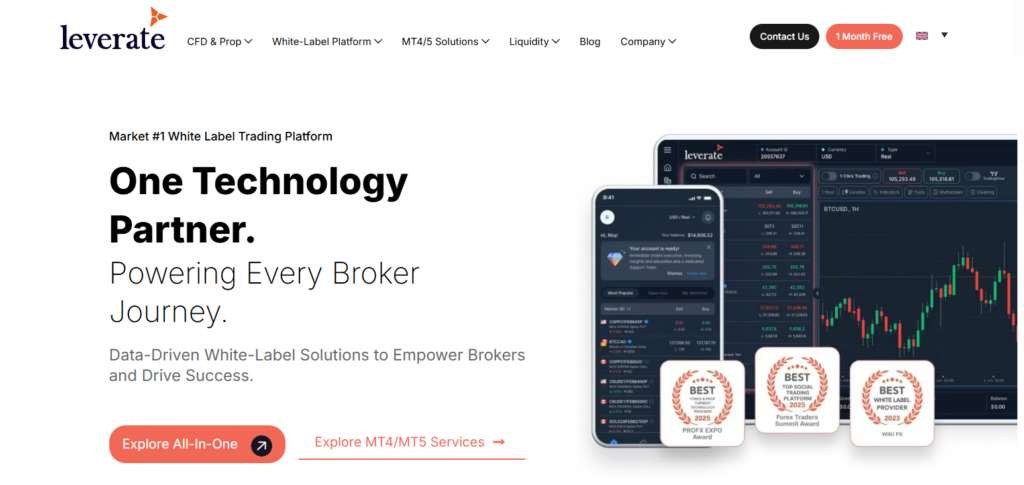
Their platforms integrate many services and automate selling brokerage operations. Leverate helps brokerage firms improve their operations and offer their clients a better trading experience.
Leverate Features
- Trading Platforms: Provides trading technology designed for online brokers and financial businesses.
- CRM Tools: Includes customer-management solutions for handling leads, traders, and client relationships.
- Business Automation: Supports automation of selected brokerage and administrative workflows.
- Brokerage Technology: Combines trading, customer-management, and business tools within a brokerage technology ecosystem.
| Pros | Cons |
|---|---|
| Provides complete digital solutions for forex and CFD brokers. | Focus is mainly concentrated on forex-related markets. |
| Includes CRM, automation, and trading management features. | Pricing details are not always publicly available. |
| Helps brokers improve customer engagement and operations. | Smaller innovation pace compared with newer fintech platforms. |
| Offers customizable brokerage technology solutions. | Advanced customization may require additional development support. |
7. Tools for Brokers
Tools for Brokers develops bespoke software for brokerage automation that positively impacts the efficiency of trading and management of the platforms. The solutions include the development of technology focused on MetaTrader, the development of reporting, risk management, and operational automation systems.
The platform assists brokers in the improvement and management of back office functions, performance, and service assurance. With analytics and automated workflows, Tools for Brokers allows financial organizations to operate in complex brokerage environments, and delivers greater transparency, engagement, and service satisfaction in highly competitive environments.
Tools for Brokers Features
- Brokerage Automation: Provides software designed to automate various brokerage processes and workflows.
- MetaTrader Solutions: Offers technology and tools that support brokers operating MetaTrader environments.
- Reporting Tools: Provides reporting capabilities for monitoring trading, financial, and operational information.
- Operations Management: Helps brokers manage back-office activities and day-to-day operational processes.
| Pros | Cons |
|---|---|
| Specializes in brokerage automation and MetaTrader solutions. | Limited usefulness for brokers outside supported platforms. |
| Provides reporting, monitoring, and operational management tools. | Requires technical knowledge for advanced configuration. |
| Improves efficiency through workflow automation features. | Mainly targets professional brokerage companies. |
| Helps brokers manage complex trading operations effectively. | Smaller ecosystem compared with major infrastructure providers. |
8. PrimeXM
Van der Grinten is one of the world’s leading providers of financial technologies for the brokerage industry. Among other things, the company’s products offer active brokerage services for forex and multi-asset trading, automated aggregation of market liquidity, and technologies for the swift, reliable and secure execution of brokerage business processes.
The infrastructure of the service is easily the best in the world in terms of speed of trade execution and the quality of service offered to institutional clients.
By making improvements to the quality of execution and infrastructure, PrimeXM enables brokers to reduce the number of operational issues and the gap between the professional trading environment demanded by financial institutions and the retail trading environment.
PrimeXM Features
- Liquidity Aggregation: Enables brokers to aggregate liquidity from multiple liquidity providers and sources.
- Connectivity Infrastructure: Connects brokers with liquidity providers, trading platforms, and financial systems.
- Trading Technology: Provides infrastructure supporting brokerage execution and trading operations.
- Scalable Infrastructure: Designed to support brokers that require connectivity and trading infrastructure as their operations expand.
| Pros | Cons |
|---|---|
| Provides high-speed connectivity and low-latency trading infrastructure. | Mainly focused on institutional and forex brokerage markets. |
| Offers efficient liquidity aggregation and broker integrations. | May be expensive for small-scale brokers. |
| Improves execution quality through advanced technology. | Requires technical expertise for integration and management. |
| Trusted by professional trading institutions globally. | Limited direct customer-facing trading features. |
9. Gold-i
Gold-i brings a new era of financial technology to liquidity management and trading services and the technology that makes them possible. The platform provides the means to automate and control operations in complex trading environments such as those found at brokerage firms and financial services firms.
Gold-i provides the means to operate in the crypto, forex, and multi-asset trading and services. Gold-i builds the innovative financial infrastructures that allow firms to connect disparate trading systems, optimize liquidity, and improve overall brokerage operations.
Gold-i Features
- Liquidity Management: Provides technology for managing and monitoring liquidity across trading environments.
- Fintech Solutions: Develops financial technology for brokers, banks, and other financial institutions.
- System Integration: Helps integrate different trading platforms, liquidity sources, and financial systems.
- Trading Infrastructure: Provides technology supporting institutional and brokerage trading operations.
| Pros | Cons |
|---|---|
| Provides advanced liquidity management and trading connectivity solutions. | Mostly designed for professional financial organizations. |
| Supports forex, crypto, and multi-asset trading environments. | Setup complexity may challenge smaller companies. |
| Enhances transparency through automation and integration tools. | Requires investment in compatible infrastructure. |
| Helps optimize liquidity flows and operational efficiency. | Less suitable for basic brokerage requirements. |
10. Broctagon
Broctagon provides businesses engaged in forex, CFD, crypto, and multi-asset services with fully integrated brokerage technology, as well as complete brokerage technology solutions. Their infrastructure includes CRM, trading systems, liquidity tools, and business automation. Broctagon helps brokers launch, run, and grow their services with integrated, modular technology for contemporary financial markets.
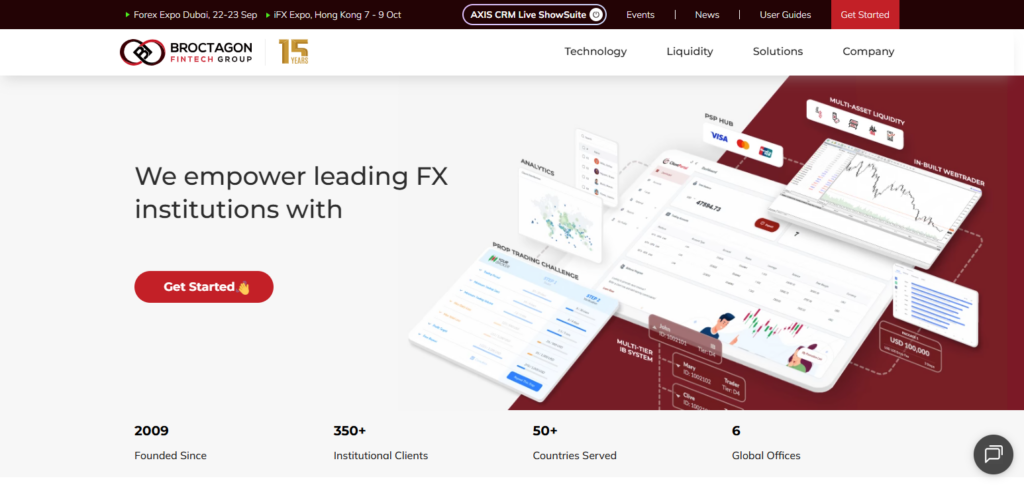
Broctagon combines operations and trading to allow businesses to work faster and gain new customers, all while providing dependable and customizable brokerage infrastructure to help clients maximize their competitiveness.
Broctagon Features
- Multi-Asset Technology: Provides brokerage technology supporting businesses that offer multiple financial instruments.
- CRM Systems: Includes tools for managing customers, accounts, leads, and brokerage relationships.
- Trading Solutions: Provides technology supporting online trading and brokerage activities.
- Business Automation: Helps streamline administrative, customer-management, and operational workflows.
| Pros | Cons |
|---|---|
| Offers complete brokerage solutions with CRM and trading tools. | Lower global recognition compared with industry giants. |
| Supports forex, CFD, crypto, and multi-asset businesses. | Some advanced features may need customization. |
| Helps businesses launch and scale brokerage operations efficiently. | Smaller technology ecosystem compared with enterprise providers. |
| Provides integrated automation for brokerage management. | May require technical assistance during implementation. |
Conclsuion
In conclusion, the best brokerage infrastructure platforms offer brokers the tools necessary to efficiently launch, run, and grow their businesses. They offer the tools necessary for modern brokerage operations, including trading, automated and connected liquidity and CRM systems.
The best partners maximize performance, security, scalability, customer experience, and most of all competitiveness in the face of the fast-paced evolution of the brokerage market.
FAQ
They help brokers launch faster, manage operations efficiently, reduce costs, and deliver better trading experiences.
The best platform depends on business needs, including customization, asset support, scalability, and budget.
Yes, Match-Trader offers flexible white-label solutions suitable for startups and growing brokerage businesses.
DXtrade provides customizable trading environments, advanced risk management, cloud infrastructure, and multi-asset support.

