


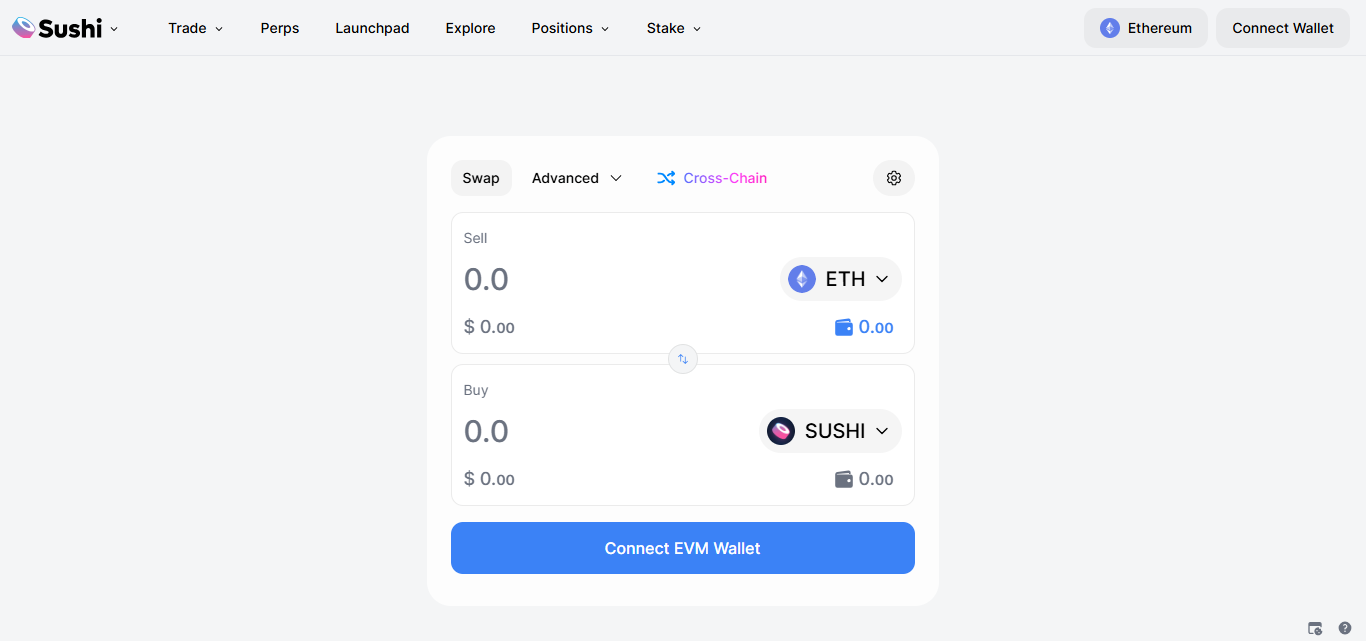
In this article, I will talk about the Top SushiSwap Alternatives for Multi-Chain Swaps, comparing the best decentralized exchanges and aggregators across supported networks. You will know their liquidity, routing, cross-chain swap capabilities, fees, slippage, supported assets, and key features.
The comparison helps traders to find the right platforms for efficient, flexible and reliable multi-chain cryptocurrency swapping according to their particular needs.
Key Points & Top SushiSwap Alternatives for Multi-Chain Swap
- 1inch — Aggregates liquidity across decentralized exchanges for competitive multi-chain swap rates.
- LI.FI (Jumper) — Connects bridges and DEXs, simplifying cross-chain swaps through unified routing.
- Jupiter — Solana-focused aggregator offering deep liquidity and efficient token swap execution.
- PancakeSwap — Multi-chain DEX providing swaps, liquidity pools, farming, and broad token support.
- Uniswap — Leading decentralized exchange supporting swaps and liquidity across multiple blockchain networks.
- Curve Finance — Specializes in stablecoin and correlated-asset swaps with efficient low-slippage trading.
- Symbiosis Finance — Enables cross-chain token swaps and liquidity transfers across supported blockchain networks.
- Chainflip — Provides native cross-chain swaps without requiring wrapped assets or centralized exchanges.
- Rubic — Aggregates DEXs and bridges to provide convenient cross-chain token swapping.
- Odos — Uses advanced routing to optimize multi-token swaps across decentralized liquidity sources.
- KyberSwap — DEX aggregator delivering optimized swap routes across multiple supported blockchain networks.
- DeBridge — Facilitates cross-chain transfers and swaps through secure interoperability infrastructure.
- OpenOcean — Aggregates liquidity across DEXs and chains to optimize decentralized swap execution.
- NEAR Intents — Uses intent-based execution to connect users with competitive cross-chain trading solutions.
14 Top SushiSwap Alternatives for Multi-Chain Swaps
1. 1inch.exchange
1inch is a good SushiSwap alternative for users comparing multi-chain swap aggregation and execution. It is compatible with major networks such as Ethereum, Arbitrum, Base, BNB Chain, Polygon, Optimism, Avalanche, Solana, and other EVM chains. Its routing system pools liquidity from hundreds of sources to look for competitive execution.
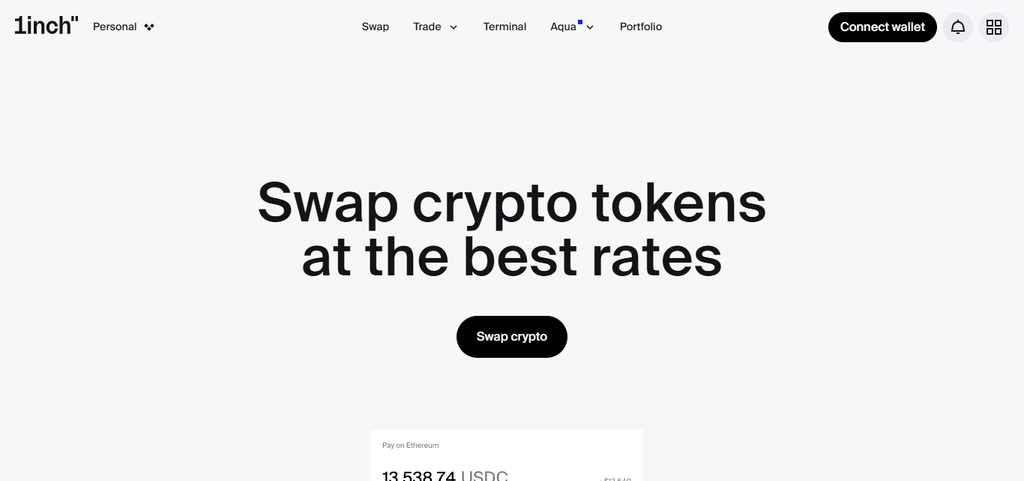
1inch supports same-chain swaps as well as cross-chain swaps, including routes between EVM networks and Solana. Its routing and MEV-protection mechanisms can help enhance execution quality, and fees depend on the chosen route and network costs. Major cryptocurrencies, alongside thousands of tokens, are supported. Best for traders that value optimized routing and broad multi-chain access.
| Key Feature | Explanation |
|---|---|
| DEX Aggregation | Searches multiple liquidity sources for competitive swap routes. |
| Smart Routing | Splits transactions across sources to improve execution. |
| Multi-Chain Support | Enables swaps across numerous supported blockchain networks. |
| MEV Protection | Helps reduce unfavorable execution caused by transaction-ordering strategies. |
2. LI.FI (Jumper)
LI.FI, which can be accessed via interfaces such as Jumper, is aimed at bringing together DEX liquidity and cross-chain infrastructure in one routing layer. It supports a wide variety of blockchain networks and can compare available bridges and decentralized exchanges when building a route. Its routing mechanism picks paths based on liquidity, pricing, need for bridges and need for execution.
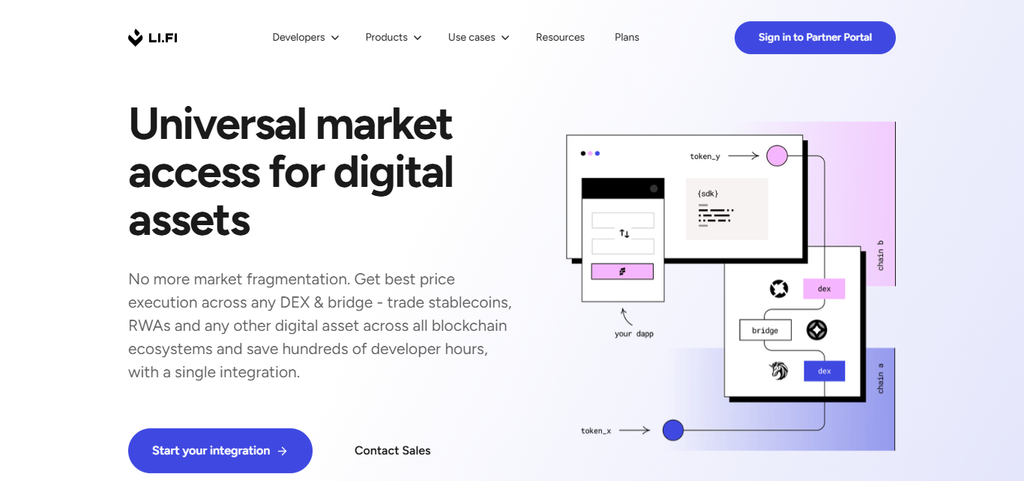
Users can trade assets across different chains without manually completing bridge and DEX transactions separately. Costs generally depend on network gas, bridge or routing providers and applicable service charges. The availability of assets depends on the route and the liquidity sources it connects. LI.FI is ideal for users who want cross-chain aggregation convenience over using a single DEX.
| Key Feature | Explanation |
|---|---|
| Cross-Chain Aggregation | Combines bridges and DEXs for cross-chain transactions. |
| Route Optimization | Compares available routes based on price and execution. |
| Broad Chain Coverage | Connects users across numerous blockchain ecosystems. |
| Unified Interface | Simplifies swapping and bridging through one interface. |
3. Jupiter
Built mostly around the Solana ecosystem, Jupiter is especially useful for users who want to tap into Solana’s deep liquidity and efficiently route tokens. It combines liquidity across supported Solana markets and finds possible routes to improve the quoted output for a swap. Its main strength is the efficient same-chain token swapping, while its broader infrastructure is gradually bringing users to multi-chain functionality via integrated services.
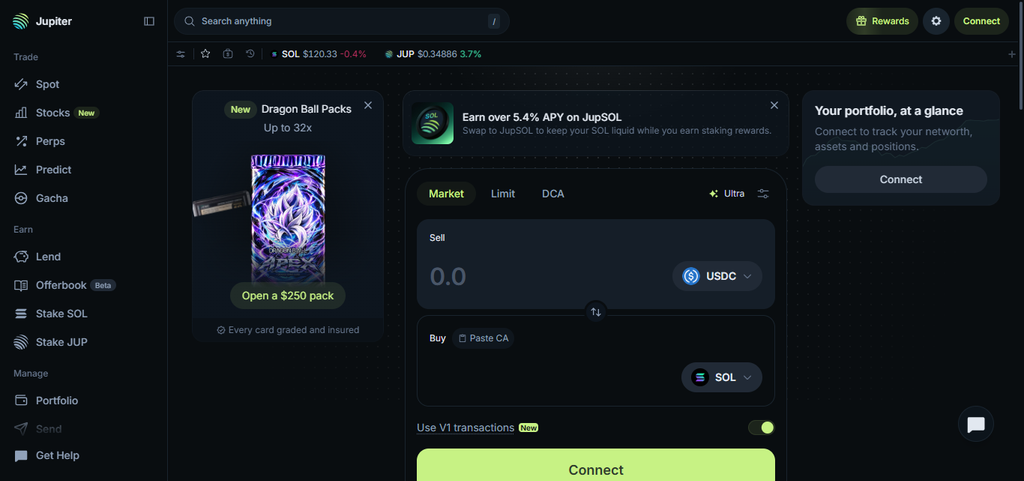
The costs of trading depend on network fees, liquidity-pool or routing costs and the choice of the path of the transaction. Slippage may vary according to market conditions, trade size and liquidity. Supported assets include a broad range of Solana tokens. Jupiter is perfect for traders who focus their trading activity on Solana markets.
| Key Feature | Explanation |
|---|---|
| Solana Liquidity | Aggregates liquidity across major Solana trading venues. |
| Smart Routing | Finds efficient routes for token swaps. |
| Limit Orders | Supports advanced trading strategies beyond basic swaps. |
| Token Discovery | Provides access to a broad range of Solana assets. |
4. PancakeSwap
PancakeSwap is a major decentralized exchange and SushiSwap alternative with a strong multi-chain presence. It operates across networks such as BNB Chain, Ethereum, Arbitrum, Base, and other supported ecosystems, giving users access to different liquidity environments. Its routing system can direct trades through available pools and liquidity sources to improve execution.
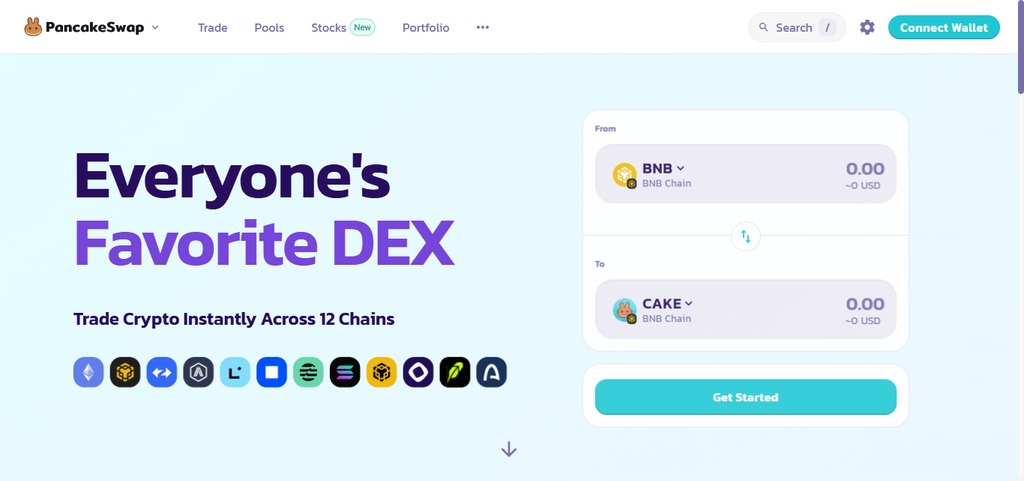
Users can perform token swaps directly within supported networks, while cross-chain functionality depends on the chains and infrastructure available through its ecosystem. Fees vary by pool, network, and transaction type, with gas costs also applying. Supported assets include major cryptocurrencies, stablecoins, and numerous ecosystem tokens. PancakeSwap is best for users wanting a full-featured multi-chain DEX ecosystem.
| Key Feature | Explanation |
|---|---|
| Multi-Chain DEX | Supports swapping across several blockchain ecosystems. |
| AMM Liquidity | Uses liquidity pools for decentralized token trading. |
| Low-Cost Trading | Offers competitive fees on supported networks and pools. |
| Large Token Selection | Provides access to numerous tokens and trading pairs. |
5. Uniswap
Uniswap is one of the most established SushiSwap alternatives, providing decentralized token swaps and liquidity across multiple blockchain networks. Current supported networks include Ethereum, Arbitrum, Base, BNB Chain, Polygon, Unichain, Optimism, and other networks depending on the product or routing system.
Its liquidity comes primarily from automated market-maker pools, while UniswapX can add alternative execution routes on supported chains. Swap costs depend on the selected liquidity pool and applicable network gas fees. Slippage depends on pool depth, trade size, and market conditions. Its asset coverage is extensive across supported networks. Uniswap is best suited to users seeking established liquidity, broad token availability, and reliable DEX infrastructure.
| Key Feature | Explanation |
|---|---|
| AMM Trading | Enables permissionless token swaps through liquidity pools. |
| Multi-Chain Support | Operates across multiple major blockchain networks. |
| Deep Liquidity | Provides substantial liquidity across popular trading pairs. |
| UniswapX Routing | Expands execution options through external liquidity and fillers. |
6. Curve Finance
Curve Finance is particularly valuable when the trading requirement involves stablecoins or assets with closely related prices. It operates across multiple blockchain networks and uses specialized liquidity pools designed to reduce price impact for correlated assets. Rather than competing primarily through broad token variety, Curve focuses on efficient swaps where its pools have strong liquidity.
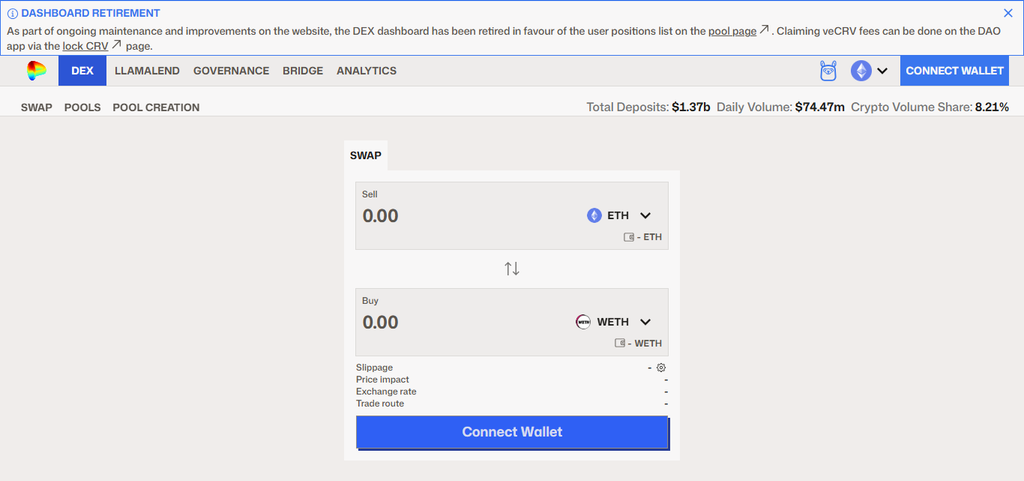
Fees vary by pool and transaction environment, while network gas costs remain separate. Slippage is generally most attractive for large trades involving deeply liquid stablecoin or correlated-asset pools, although actual execution depends on pool depth and market conditions. Supported assets include stablecoins and other correlated assets. Curve is best for stablecoin-focused, low-slippage trading.
| Key Feature | Explanation |
|---|---|
| Stablecoin Focus | Optimized for stablecoin and correlated-asset trading. |
| Low Slippage | Specialized pools can reduce price impact on suitable trades. |
| Deep Liquidity | Provides significant liquidity for supported asset categories. |
| Multi-Chain Availability | Extends Curve markets across multiple blockchain networks. |
7. Symbiosis Finance
Symbiosis Finance is designed specifically around cross-chain liquidity movement and token swapping, making it relevant for users comparing SushiSwap with interoperability-focused alternatives. It supports multiple blockchain ecosystems and can route cross-chain trades using liquidity and transit assets between networks.
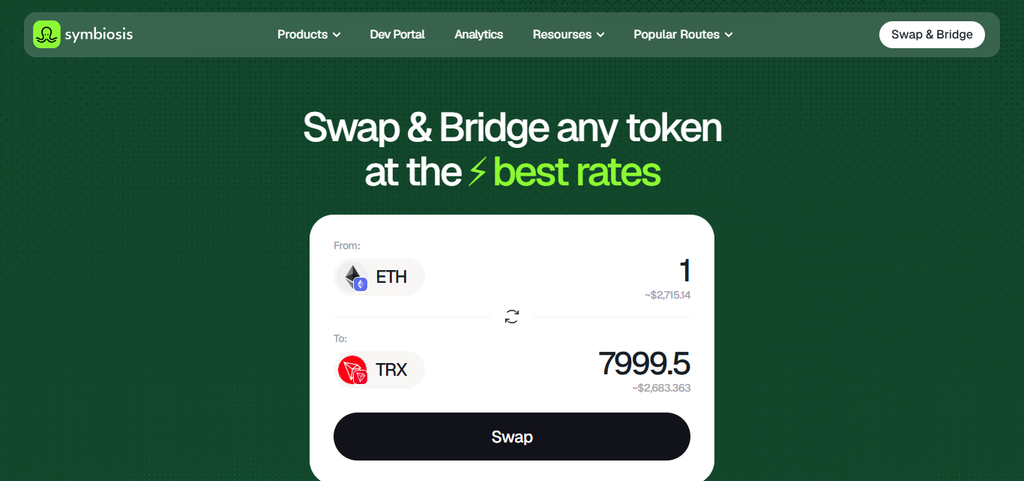
Its architecture can use stablecoins as intermediary assets when moving value between chains, helping connect otherwise separate liquidity environments. Costs depend on the selected route, blockchain gas requirements, liquidity conditions, and cross-chain infrastructure. Execution quality depends on available liquidity and the size of the trade, which can influence slippage. Supported assets vary across integrated chains and liquidity pools. Symbiosis is best suited for users prioritizing direct cross-chain swaps and asset movement.
| Key Feature | Explanation |
|---|---|
| Cross-Chain Swaps | Enables token exchanges between different blockchain networks. |
| Liquidity Network | Connects liquidity across supported ecosystems. |
| Stablecoin Routing | Can use stablecoins as intermediary assets for transfers. |
| Multi-Chain Infrastructure | Supports cross-chain asset movement across numerous networks. |
8. Chainflip
Chainflip focuses on native cross-chain swaps, making it different from conventional DEXs that primarily operate within individual blockchain ecosystems. Its core approach allows users to exchange native assets across supported networks without relying on wrapped representations as the primary trading experience.
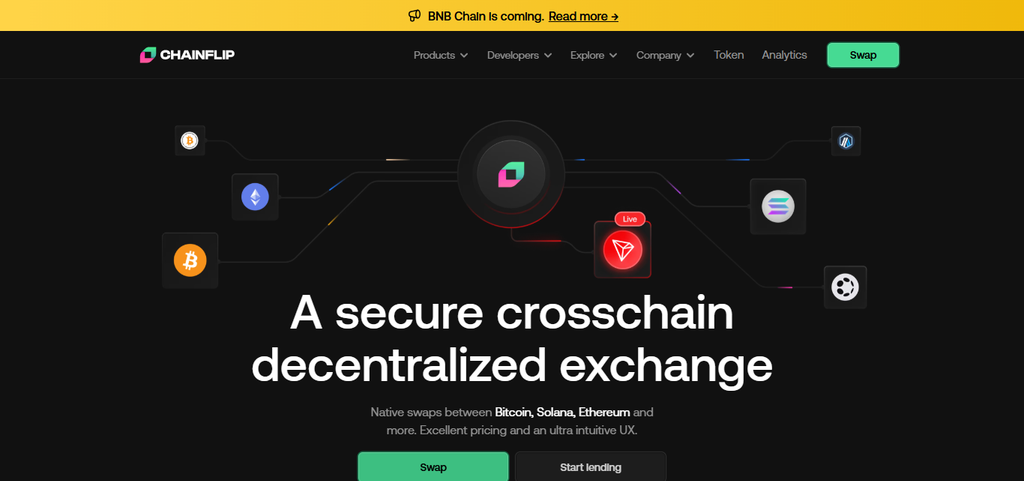
Liquidity is supplied through Chainflip’s cross-chain infrastructure and used to facilitate swaps between supported assets. Total costs depend on the swap route, network fees, and protocol-related charges, while execution can vary with liquidity and trade size. Slippage is influenced by available liquidity and market conditions. Supported assets are concentrated around native cryptocurrencies and integrated chains. Chainflip is best for traders wanting straightforward native-asset cross-chain swaps.
| Key Feature | Explanation |
|---|---|
| Native Asset Swaps | Enables swaps involving native blockchain assets. |
| Cross-Chain Trading | Connects assets across supported blockchain networks. |
| No Wrapped Assets | Designed around native assets rather than requiring wrapped versions. |
| Decentralized Liquidity | Uses protocol-based liquidity to facilitate transactions. |
9. Rubic
Rubic combines decentralized exchange aggregation with cross-chain infrastructure, making it a practical SushiSwap alternative for users who frequently move assets between networks. Its routing system can compare liquidity and bridge options across supported chains to identify suitable swap paths. Users can execute same-chain or cross-chain swaps depending on the selected assets and available route.
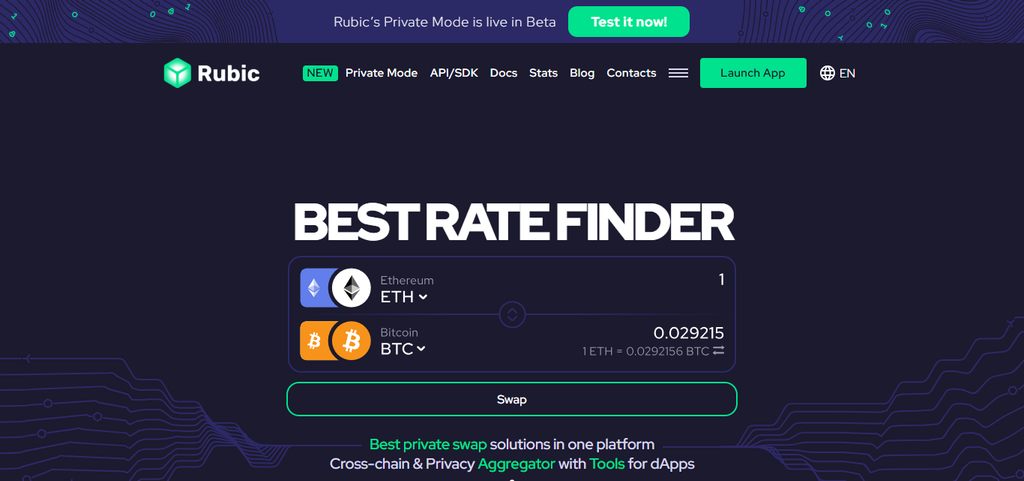
Transaction costs can include blockchain gas, bridge-related expenses, and applicable service or provider fees. Execution and slippage depend on liquidity depth, route complexity, trade size, and market conditions. Asset availability varies according to connected DEXs, bridges, and supported networks. Rubic is best suited to users who want one interface for comparing multi-chain swap and bridging routes.
| Key Feature | Explanation |
|---|---|
| Cross-Chain Swaps | Allows users to exchange assets between different chains. |
| DEX Aggregation | Searches multiple decentralized exchanges for routes. |
| Bridge Aggregation | Connects different bridging solutions for cross-chain execution. |
| Multi-Chain Coverage | Provides access to numerous supported blockchain ecosystems. |
10. Odos
Odos is a multi-chain DEX aggregator focused on intelligent trade routing and execution efficiency. It searches across available decentralized liquidity sources and can split trades between multiple pools when doing so may improve the final output. This routing approach is particularly useful for larger trades where using one liquidity pool could create unnecessary price impact.
Odos supports multiple blockchain networks, with available assets depending on each network’s integrated liquidity. Costs generally include network gas and any applicable liquidity or protocol charges rather than a simple universal trading fee. Slippage depends on liquidity, trade size, and route quality. Odos is best for traders seeking optimized routing and efficient execution across fragmented DEX liquidity.
| Key Feature | Explanation |
|---|---|
| Smart Order Routing | Searches multiple liquidity sources for efficient execution. |
| Route Splitting | Can divide trades across different liquidity pools. |
| Multi-Chain Support | Provides aggregation across various blockchain networks. |
| Multi-Token Swaps | Supports complex swap routes involving multiple assets. |
11. KyberSwap
KyberSwap provides DEX aggregation across multiple chains by connecting fragmented liquidity from different decentralized exchanges. Its aggregator can split and optimize routes across AMMs and order-book-based DEXs to search for more capital-efficient execution. This makes it useful when liquidity is distributed across several trading venues.
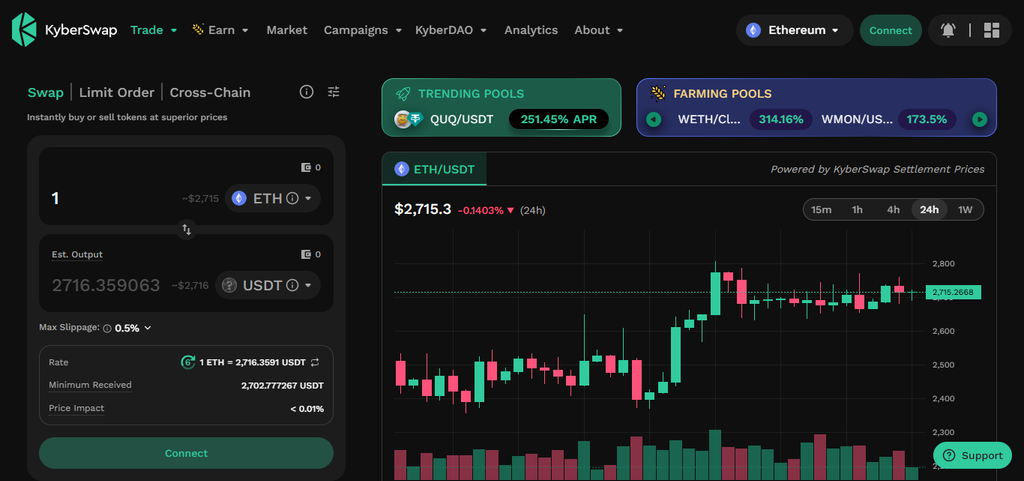
Supported networks and assets vary according to the integrated exchanges and chain infrastructure. Direct swaps currently have no KyberSwap protocol fee, although liquidity-provider fees and blockchain gas can still apply. Cross-chain swaps carry route-dependent platform fees, with rates varying according to asset type and network combination. Slippage depends on liquidity and trade size. KyberSwap is best for users comparing execution across multiple DEX liquidity sources.
| Key Feature | Explanation |
|---|---|
| DEX Aggregation | Aggregates liquidity from multiple decentralized exchanges. |
| Route Optimization | Searches for efficient paths across available liquidity. |
| Multi-Chain Trading | Supports decentralized swapping across multiple networks. |
| Advanced Trading | Provides tools designed for efficient DeFi execution. |
12. DeBridge
deBridge is primarily an interoperability and cross-chain infrastructure platform that also enables cross-chain swaps and transfers. It supports more than 24 networks, including Ethereum, Solana, Tron, BNB Chain, Base, and Arbitrum, giving users access to a broad range of ecosystems. Its cross-chain system uses solvers and native asset transfers to execute routes between supported chains.
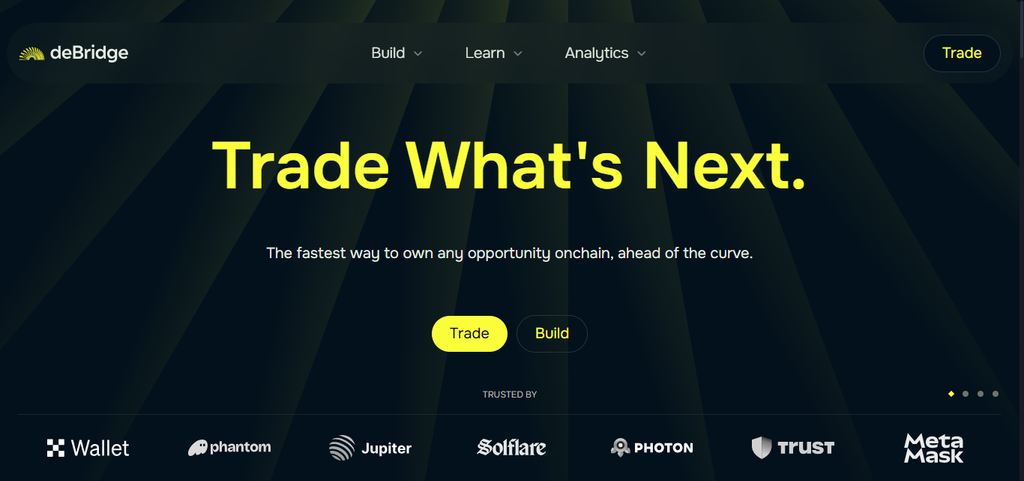
Costs can include a fixed chain fee, dynamic solver gas costs, and source-chain gas. Execution depends on available solver liquidity and route conditions, while quoted rates can vary with market conditions. Supported assets depend on connected chains and liquidity. deBridge is best for users prioritizing fast, native cross-chain transfers and swaps.
| Key Feature | Explanation |
|---|---|
| Cross-Chain Infrastructure | Enables transfers and swaps across different networks. |
| Native Asset Transfers | Supports movement of native assets between connected chains. |
| Solver Network | Uses solvers to facilitate cross-chain transaction execution. |
| Fast Settlement | Designed for efficient cross-chain transaction completion. |
13. OpenOcean
OpenOcean is a multi-chain DEX aggregator designed to search liquidity across numerous decentralized exchanges and blockchain networks. Its current Swap API supports more than 40 chains, including Ethereum, BNB Chain, Base, and Polygon, with additional network coverage depending on the service. The aggregator searches connected liquidity sources to identify suitable routes and can optimize execution across fragmented markets.
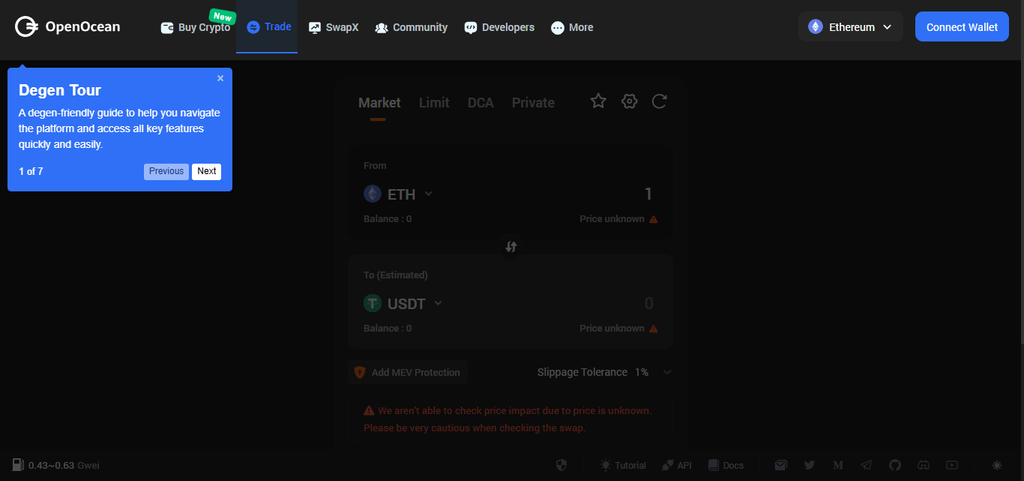
Trading costs depend on network gas, liquidity-provider costs, and any applicable route or integration fees. Slippage varies according to liquidity depth, trade size, and market conditions. Supported assets differ across individual chains and integrated DEXs. OpenOcean is best for users who want broad chain coverage and automated liquidity comparison before executing swaps.
| Key Feature | Explanation |
|---|---|
| DEX Aggregation | Searches liquidity across multiple decentralized exchanges. |
| Multi-Chain Support | Provides swap access across many blockchain networks. |
| Smart Routing | Selects routes designed to improve trade execution. |
| Liquidity Comparison | Compares available sources to identify competitive swap paths. |
14. NEAR Intents
NEAR Intents uses an intent-based model for cross-chain swaps, allowing users to specify the asset they want to pay and receive while solvers determine the route. Its current cross-chain swap infrastructure supports 31 chains and more than 100 assets, with settlement designed to occur in roughly 30 seconds under stated conditions. Rather than requiring users to manually select individual bridges and DEX routes, the network uses competing solvers to fulfill intents.
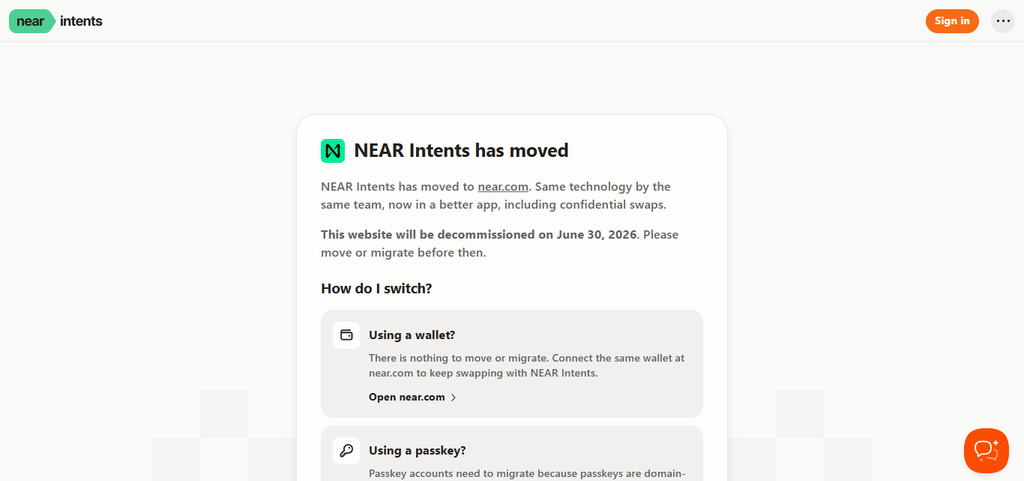
Costs and execution depend on the quoted route, solver competition, network conditions, and asset pair. Its supported assets include major cryptocurrencies and assets across connected chains. NEAR Intents is best for users seeking simplified cross-chain swaps and chain abstraction.
| Key Feature | Explanation |
|---|---|
| Intent-Based Swaps | Users specify desired outcomes instead of manually selecting routes. |
| Solver Competition | Solvers compete to fulfill user trading intents. |
| Chain Abstraction | Simplifies transactions across different blockchain ecosystems. |
| Cross-Chain Trading | Enables swaps between assets across supported networks. |
Conclusion
To summarize, the best SushiSwap alternatives for multi-chain swaps will be determined by the networks you like, the liquidity you require, how good the routing is, fees, the assets you want to trade and your cross-chain needs.
Platforms like 1inch, LI.FI, Jupiter, Uniswap, and Odos have varying strengths concerning swap execution and aggregation. Before trading, do your research on the available routes, slippage, transaction costs, and supported assets to find the platform best suited for your multi-chain trading strategy.
FAQ
Popular alternatives include 1inch, LI.FI, Jupiter, PancakeSwap, Uniswap, Curve Finance, and Odos.
1inch and Odos are strong choices for comparing liquidity and optimizing swap routes.
LI.FI, Symbiosis, Rubic, Chainflip, and NEAR Intents focus strongly on cross-chain swapping.
Yes. Jupiter is particularly suitable for users seeking efficient swaps across Solana liquidity sources.

