


In this article, I will cover the Top Vertex Protocol Rivals for Hybrid DEX Trading and the leading decentralized exchanges that are jostling for position in this fast-moving market.
We will compare their trading features, hybrid architecture, liquidity, transaction speeds, supported assets, leverage options and risk management capabilities so readers can get a better understanding of how each compares to Vertex Protocol.
Key Points & Top Vertex Protocol Rivals for Hybrid DEX Tradi
| Platform | Primary Chain | Architecture Type | Max Leverage | Key Focus |
|---|---|---|---|---|
| Hyperliquid | Hyperliquid L1 | Fully on-chain order book | Up to 40x | High-speed trading, deep liquidity, and transparent execution. |
| dYdX | dYdX Chain (Cosmos) | Appchain order book | Up to 20–25x* | Decentralized perpetuals trading with validator-based matching |
| GRVT | ZKsync | Hybrid order book | Up to 50x* | Institutional-grade trading combining self-custody and exchange performance. |
| Drift Protocol | Solana | Hybrid order book + AMM | Up to 101x* | Solana-native derivatives, lending, borrowing, and capital efficiency. |
| Apex Protocol | Ethereum ecosystem / StarkEx* | Layer-2 order book | Up to 100x* | High-performance perpetuals trading with low fees and efficient execution. |
| edgeX | Ethereum ecosystem / StarkEx* | Off-chain matching, on-chain settlement* | Up to 100x* | Fast derivatives trading with scalable infrastructure and advanced market |
| EVEDEX | Ethereum ecosystem* | Hybrid derivatives exchange* | Up to 100x* | Leverage trading with a focus on execution efficiency and risk management. |
| GMX | Arbitrum, Avalanche | Oracle-priced liquidity pools | Up to 100x* | Pool-based perpetuals trading with liquidity- |
| Kuru | Monad | On-chain order book | Market-dependent* | Order-book trading and liquidity access within the Monad ecosystem. |
| Orderly Network | NEAR / omnichain infrastructure | Shared order-book liquidity layer | Market-dependent* | Unified order-book liquidity and perpetual trading across multiple chains. |
10 Top Vertex Protocol Rivals for Hybrid DEX Trading
1. Hyperliquid
Hyperliquid is a serious contender to Vertex Protocol, combining an application specific Layer 1 blockchain with an on-chain central limit order book (CLOB). Its hybrid model matrix emphasizes high-performance matching, transparent blockchain execution and native perpetual futures markets rather than relying primarily on external liquidity pools.
For precise numbers, check its TVL and trading volume on a current analytics dashboard. Trading liquidity is concentrated around major perpetual markets, while execution quality depends on order-book depth and market conditions. Hyperliquid’s dedicated chain allows for fast execution without the usual Ethereum gas fees on each order. It supports many crypto markets and configurable leverage with some markets up to 40x. The native margin and portfolio risk features are a strong benchmark for Vertex’s integrated trading experience.
Hyperliquid Pros & Cons
| Pros | Cons |
|---|---|
| High-performance on-chain order book supports fast, transparent trading. | Requires users to bridge assets into its ecosystem. |
| Strong liquidity in major perpetual markets. | Liquidity can be thinner in smaller or newer markets. |
| Integrated spot and derivatives trading experience. | Dedicated Layer 1 creates ecosystem-specific infrastructure risk. |
| Advanced trading tools and portfolio features. | Leverage increases liquidation risk during volatile markets. |
2. dYdX
dYdX is a decentralized derivatives exchange that runs on its own Cosmos-based dYdX Chain, utilizing a validator-backed order book and matching engine. The matrix of its hybrid model is more a decentralized appchain exchange than a typical off-chain/on-chain hybrid DEX. TVL is primarily a reflection of the deposited collateral. Trading volume and liquidity depend on the individual perpetual markets and market-maker participation. Fast order processing and no Ethereum mainnet gas fees for each trading action are enabled by its dedicated chain.
Supported crypto assets and leverage limits vary by market, position size and risk settings. Cross-margin allows eligible positions to share collateral, while isolated-margin accounts segregate risk. The maximum leverage depends on the market and must be checked against the current market parameters.
dYdX Pros & Cons
| Pros | Cons |
|---|---|
| Dedicated Cosmos-based chain designed for derivatives trading. | Users must understand the dYdX Chain ecosystem and its asset-transfer process. |
| Professional order-book interface and trading tools. | Liquidity varies across individual markets. |
| Validator-based infrastructure supports decentralized operation. | Dedicated-chain infrastructure adds operational complexity. |
| Established derivatives-focused protocol. | Trading fees and execution quality may be less competitive for some strategies. |
3. Grvt
A particularly relevant Vertex rival is the hybrid model matrix of GRVT, which separates rapid off-chain order matching from blockchain-secured settlement and custody. It’s built on ZKsync-related infrastructure and uses zero-knowledge technology and Validium architecture to support performance, privacy and self-custody.
TVL is the value of assets locked for the platform users while the trading volume and liquidity should be measured via the current stats of the perpetual-market and order-book depth. Its design is focused on reducing trading latency and skipping the traditional gas fee on each order. GRVT provides leverage on its crypto spot and perpetual products, depending on the market and account settings.
Cross-margin and isolated-margin options are meant for different risk appetites. Look at what the current maximum leverage is and compare that directly to Vertex.
GRVT Pros & Cons
| Pros | Cons |
|---|---|
| Hybrid design targets exchange-like performance with self-custody. | More complex architecture than a straightforward on-chain DEX. |
| Zero-knowledge technology supports its scalability approach. | Users must assess the specific trust assumptions of its infrastructure. |
| Designed for professional derivatives trading. | Liquidity and execution quality depend on market adoption. |
| Supports risk-management features for leveraged positions. | Market availability and leverage limits can vary by product. |
4. Drift Protocol
Drift Protocol is a native Solana trading protocol that combines an order book with automated market making and liquidity mechanisms. The hybrid model matrix is also a close competitor to Vertex’s integrated DeFi approach, including perpetual futures, spot trading, lending, borrowing and shared collateral functionality. TVL is the value of the assets deposited on its lending and trading products, while trading volume and liquidity depend on the individual market and counterparties available.
Solana gives you high throughput and slightly lower transaction costs so you can trade often but execution will depend on network conditions. It supports all the major cryptocurrencies and other listed markets. Portfolio level risk controls and cross-margining improve capital efficiency. Maximum leverage is determined by market and position size. Quote single leverage ceiling only after confirming current margin parameters.
Drift Protocol Pros & Cons
| Pros | Cons |
|---|---|
| Combines order-book trading with AMM-based liquidity mechanisms. | Solana network or ecosystem disruptions can affect trading. |
| Integrates spot, perpetuals, lending, and borrowing. | Multiple products can make risk management more complex. |
| Shared collateral can improve capital efficiency. | High leverage can accelerate losses and liquidations. |
| Native Solana integration supports relatively low transaction costs. | Liquidity and execution depend on market conditions and protocol design. |
5. Apex Protocol
ApeX Protocol is a decentralized derivatives platform focused on high-performance perpetual trading and order-book execution. It has a hybrid model matrix which needs to be evaluated by separating its particular product and deployment from other projects called APEX as architecture and supported chains may vary by version. TVL reflects deposited assets where applicable, while trading volume and liquidity depend on active markets, maker participation and open interest.
Transaction speed and gas costs depend on the underlying deployment, and whether order matching occurs off-chain or on the blockchain infrastructure. Supported crypto assets and maximum leverage are product specific and advertized limits are subject to verification. Cross-margin capabilities are also account & product configuration dependent. To make a fair Vertex comparison, check the current official documentation and live analytics before assigning exact TVL, volume, or leverage numbers.
ApeX Protocol Pros & Cons
| Pros | Cons |
|---|---|
| Provides derivatives-focused trading with an exchange-like interface. | Architecture and features differ between product versions. |
| Offers leveraged perpetual trading on supported markets. | Market depth may vary by trading pair. |
| Designed to support efficient order execution. | Some functionality may depend on specific deployment infrastructure. |
| Offers an alternative to single-chain trading venues. | Cross-margin, supported assets, and fees require product-level verification. |
6. edgeX
edgeX is a competitor to derivatives trading that offers a centralized exchange-like trading experience in a decentralized environment. Its hybrid model matrix focuses on efficient order matching, trading infrastructure, and blockchain-based asset settlement, but the implementation details should be confirmed with its current technical documentation. TVL and trading volume should be tracked separately. Deposited collateral is a measure of capital held in the ecosystem, whereas volume is a measure of trades executed over a period of time.
The best measures of liquidity for trading are bid-ask spreads, order book depth and slippage. The execution latency and transaction fees are based on its existing infrastructure and settlement design. Supported markets and leverage limits are subject to change and cross margin availability should be confirmed on a per account type basis. These factors will determine how closely edgeX competes with Vertex’s integrated trading model.
edgeX Pros & Cons
| Pros | Cons |
|---|---|
| Focuses on high-performance spot and perpetual trading. | Its trading experience depends partly on the hybrid infrastructure design. |
| Designed for rapid order matching and an exchange-like interface. | Users should evaluate off-chain components and settlement assumptions. |
| Supports a growing range of markets and trading features. | Liquidity can differ significantly between markets. |
| May appeal to active traders seeking alternatives to larger exchanges. | Adoption and liquidity concentration can affect execution quality. |
7. EVEDEX
EVEDEX uses a hybrid model matrix of high performance off-chain order matching with decentralized settlement and non-custodial trading. Its documentation outlines Layer 3 infrastructure built on top of Arbitrum Orbit that is intended to improve scalability and reduce transaction costs. You should independently verify TVL and trading volume using live analytics, as the amount of capital deposited doesn’t necessarily mean there is market activity or execution depth available.
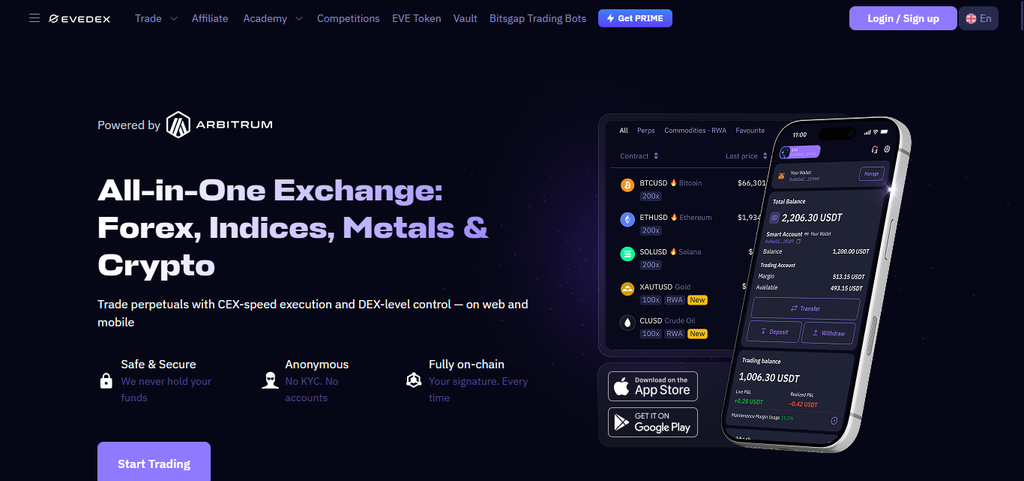
The platform provides perpetual contracts on crypto assets and some other instruments. Leverage is up to 100x on documented markets, other pairs have lower limits. It offers cross-margin capabilities that allow eligible positions to share margin. Actual transaction speed, fees, liquidity and risk limits are dependent on market conditions and the deployment configuration.
EVEDEX Pros & Cons
| Pros | Cons |
|---|---|
| Hybrid architecture targets efficient trading and blockchain settlement. | Additional infrastructure layers increase technical complexity. |
| Supports leveraged perpetual trading on eligible markets. | Maximum leverage is not necessarily available on every asset. |
| Layer 3 infrastructure aims to improve scalability. | Users must evaluate network dependencies and settlement assumptions. |
| Offers cross-margin functionality as advertised by the platform. | Actual liquidity and market depth require independent verification. |
8. GMX
GMX is different from Vertex in that their hybrid model matrix is trading against smart-contract liquidity pools priced by oracle, not a traditional central limit order book. GMX provides swaps and perpetual positions with market and liquidity vaults on Arbitrum, Avalanche and MegaETH. TVL is the capital locked in its pools, trading volume is the number of trades done, liquidity is based on pool composition, utilization and market-specific open-interest limits.
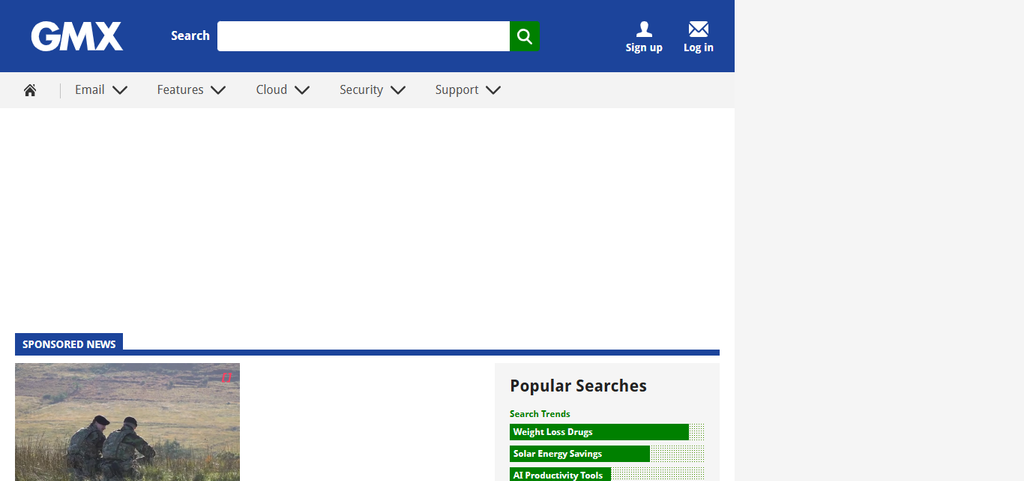
Transaction speed and gas fees are determined by the underlying chain and execution mechanism. Fees can include request fees and keeper-execution fees. GMX supports crypto and some traditional asset markets with up to 100x leverage on eligible products. Collateral rules and shared-account functionality are different from the traditional portfolio cross-margin.
GMX Pros & Cons
| Pros | Cons |
|---|---|
| Pool-based trading offers an alternative to traditional order books. | Execution costs and price impact depend on pool and market conditions. |
| Liquidity providers can earn eligible trading fees. | Liquidity providers face market, utilization, and trader-profit risks. |
| Supports decentralized spot swaps and perpetual markets. | Oracle and keeper mechanisms introduce specific operational dependencies. |
| Available across supported blockchain ecosystems. | Leverage, collateral rules, and market availability vary by version. |
9. Kuru
Kuru is a decentralized exchange built on Monad that focuses on on-chain order-book trading, making it a useful reference point for the execution and liquidity aspects of Vertex. Its hybrid model matrix is primarily order-book driven, rather than a direct equivalent of every perpetual-and-spot platform integration.
TVL should be measured by assets deposited in its contracts and liquidity mechanisms, while trading volume represents executed trades over a defined period. Order-book depth, bid-ask spreads, and slippage offer more meaningful liquidity comparisons than volume alone.
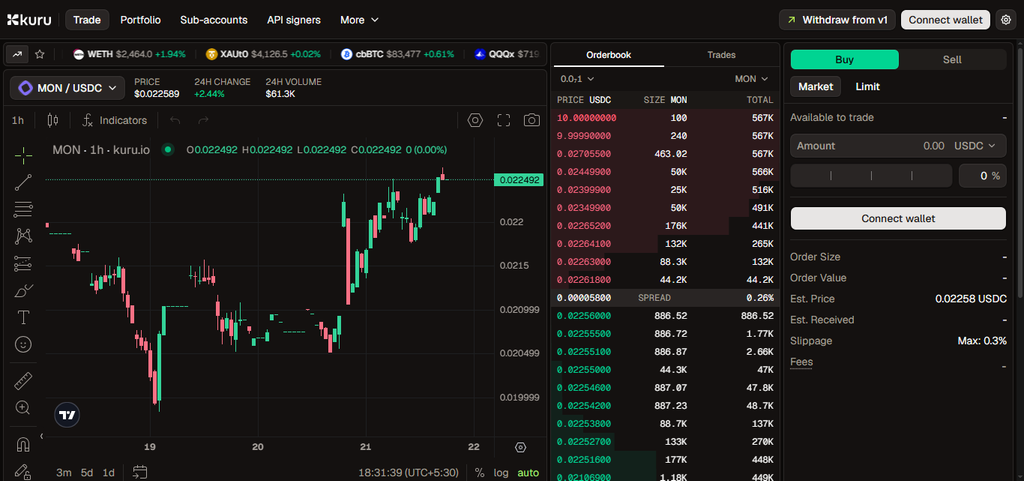
Transaction speed and gas costs are subject to Monad’s network performance and current fee conditions. Supported assets depend on listed markets. Perpetual leverage and cross-margin features should not be assumed unless the specific product is confirmed; Kuru’s core trading architecture is the main point of comparison.
Kuru Pros & Cons
| Pros | Cons |
|---|---|
| On-chain order-book design supports transparent trading. | Activity is closely tied to the Monad ecosystem. |
| Provides an alternative to pool-only liquidity models. | Liquidity may be limited for less active trading pairs. |
| Monad infrastructure targets fast transaction processing. | Actual performance depends on network conditions. |
| Offers potential composability with the surrounding ecosystem. | Perpetuals, leverage, and cross-margin should not be assumed without confirmation. |
10. Orderly Network
Orderly Network provides shared order-book liquidity infrastructure for applications to plug into across many ecosystems of blockchains. Its hybrid model matrix combines an off-chain matching engine with blockchain-based settlement and a unified trading infrastructure, making it a relevant competitor to the trading layer of Vertex. TVL and trading volume should be considered separately, noting where collateral is held, what applications drive activity, and whether reported volumes overlap across integrations.
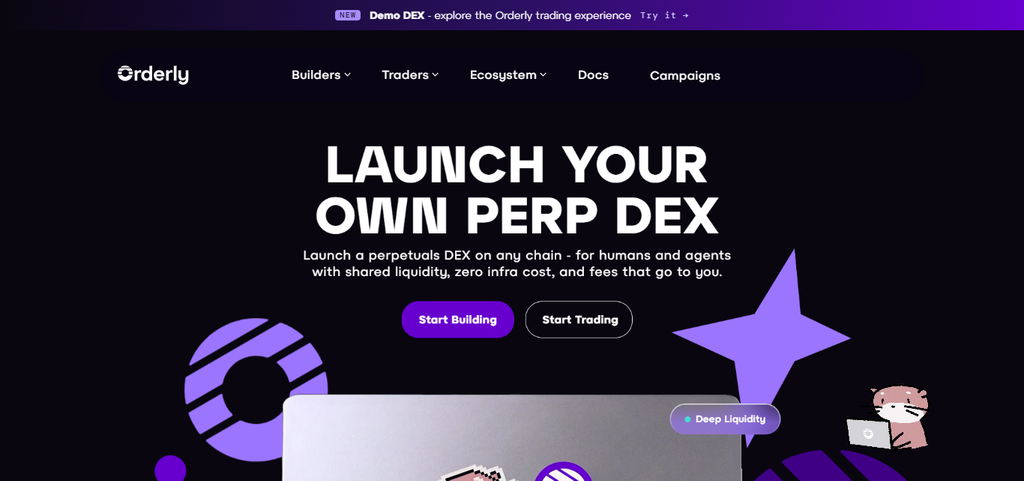
A consolidated order book improves liquidity for trading but actual depth depends on asset and venue. The speed of a transaction and the gas fees are defined by the matching infrastructure and the settlement chains. The network supports multiple crypto markets and chains, with leverage, cross-margin and maximum position sizes dictated by the integrated trading application and its risk configuration.
Orderly Network Pros & Cons
| Pros | Cons |
|---|---|
| Shared order-book infrastructure connects participating applications. | Trading performance depends on the network and integrating applications. |
| Omnichain design supports access across multiple blockchain ecosystems. | Cross-chain deposits and withdrawals can introduce additional complexity. |
| Integrators can use shared liquidity rather than building everything independently. | Liquidity may be fragmented across assets or application interfaces. |
| Supports derivatives-focused trading infrastructure. | Fees, leverage, and margin options can differ between integrations. |
Conclusion
To summarize, the Top Vertex Protocol Rivals for Hybrid DEX Trading provide various solutions for decentralized derivatives and digital asset trading. Notable platforms include Hyperliquid, dYdX, GRVT, Drift Protocol and edgeX, which have trading infrastructure and execution capabilities.
But to choose the right platform, you need to consider liquidity, transaction fees, security, supported assets, and leverage options that fit your individual trading needs.
FAQ
Hyperliquid, GMX, and selected other platforms offer leveraged markets, but maximum limits vary by asset and risk settings.
Hyperliquid and dYdX are notable order-book benchmarks, although liquidity varies across markets and trading periods.
Drift, GRVT, and other eligible platforms offer margin-management features; availability depends on product configuration.
Fees depend on maker-taker rates, funding payments, network costs, and slippage, so compare the total cost of each trade.
Compare security, liquidity, execution speed, supported assets, margin rules, fees, and custody arrangements before selecting a platform.

